A bowl of plain white yoghurt with a spoon

Can You Freeze Yoghurt? (Yes, But Read This First)

Yes, you can freeze yoghurt, it is perfectly safe, and freezing does not kill the live cultures. The one thing to know before you start is that freezing changes the texture. Yoghurt is an emulsion of water, fat and protein, and freezing splits it, so what you thaw out is grainy and watery rather than smooth and glossy. That does not make it bad, it just makes it the wrong thing to eat straight from a pot with a spoon. Where frozen yoghurt shines is in smoothies, baking, cooking and cold treats, and if you have ever stood over a tub that is a day off its date wondering whether to bin it, freezing is the answer. Here is how I do it. ...
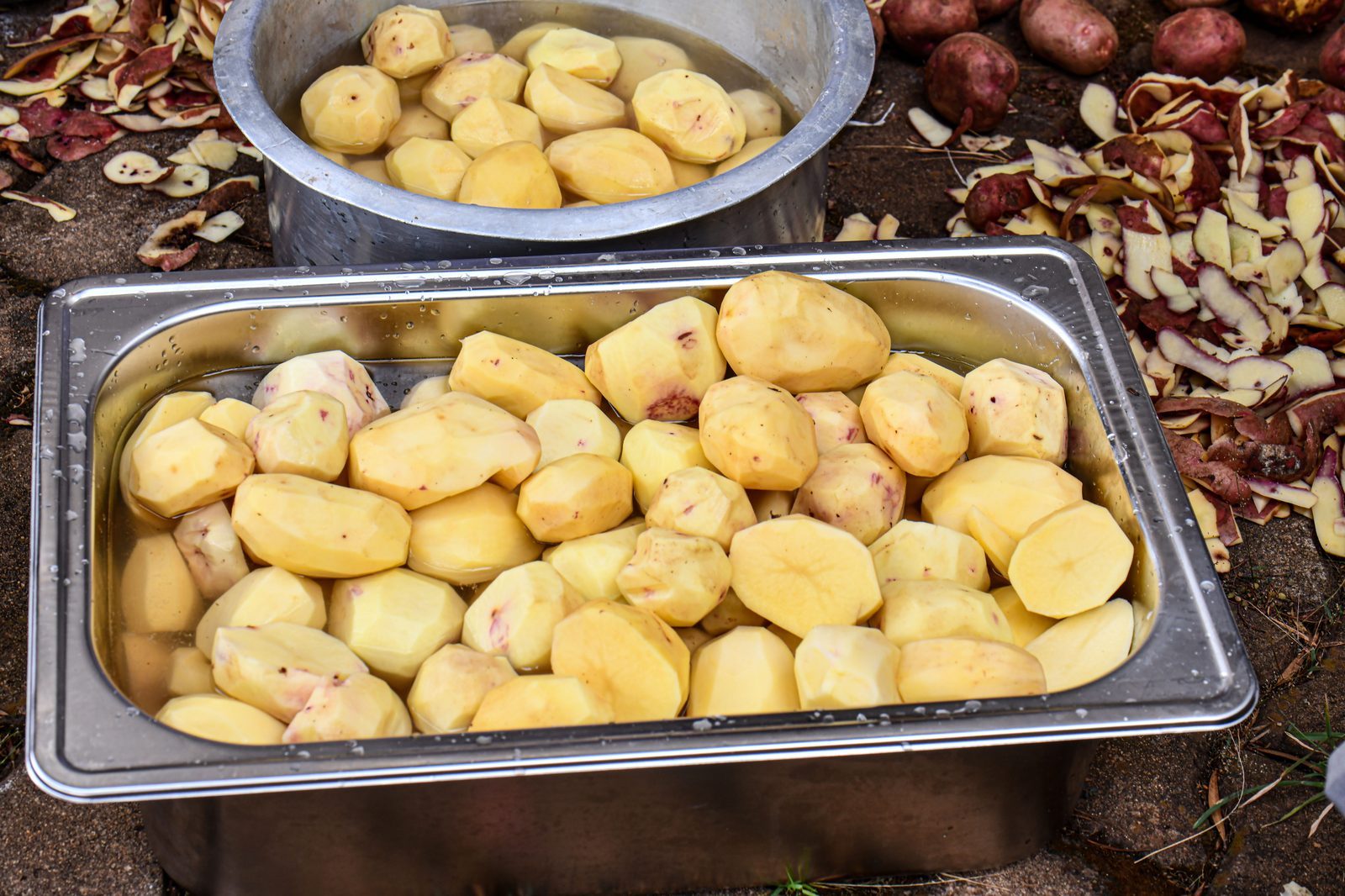
Peeled raw potatoes in water ready for cooking

Can You Freeze Potatoes? (Raw, Mashed, Roast and Chips)

Yes, you can freeze potatoes, but not the way most people first try it. Peel a few spuds, cut them up, tip them straight into a freezer bag raw, and you will be disappointed. They come out grainy, watery, a bit grey and faintly sweet, which is not what anyone wants under a Sunday roast. The trick is that potatoes need to be cooked or at least part-cooked before they go anywhere near the freezer. Do that, and they freeze beautifully, whether it is mash, roasties, chips or diced potato for a hash. Below is how I handle each one, how long they keep, and the one rule that stops the whole lot going to waste. ...

A spoonful of white raising agent

Bicarbonate of Soda vs Baking Powder: What's the Difference?

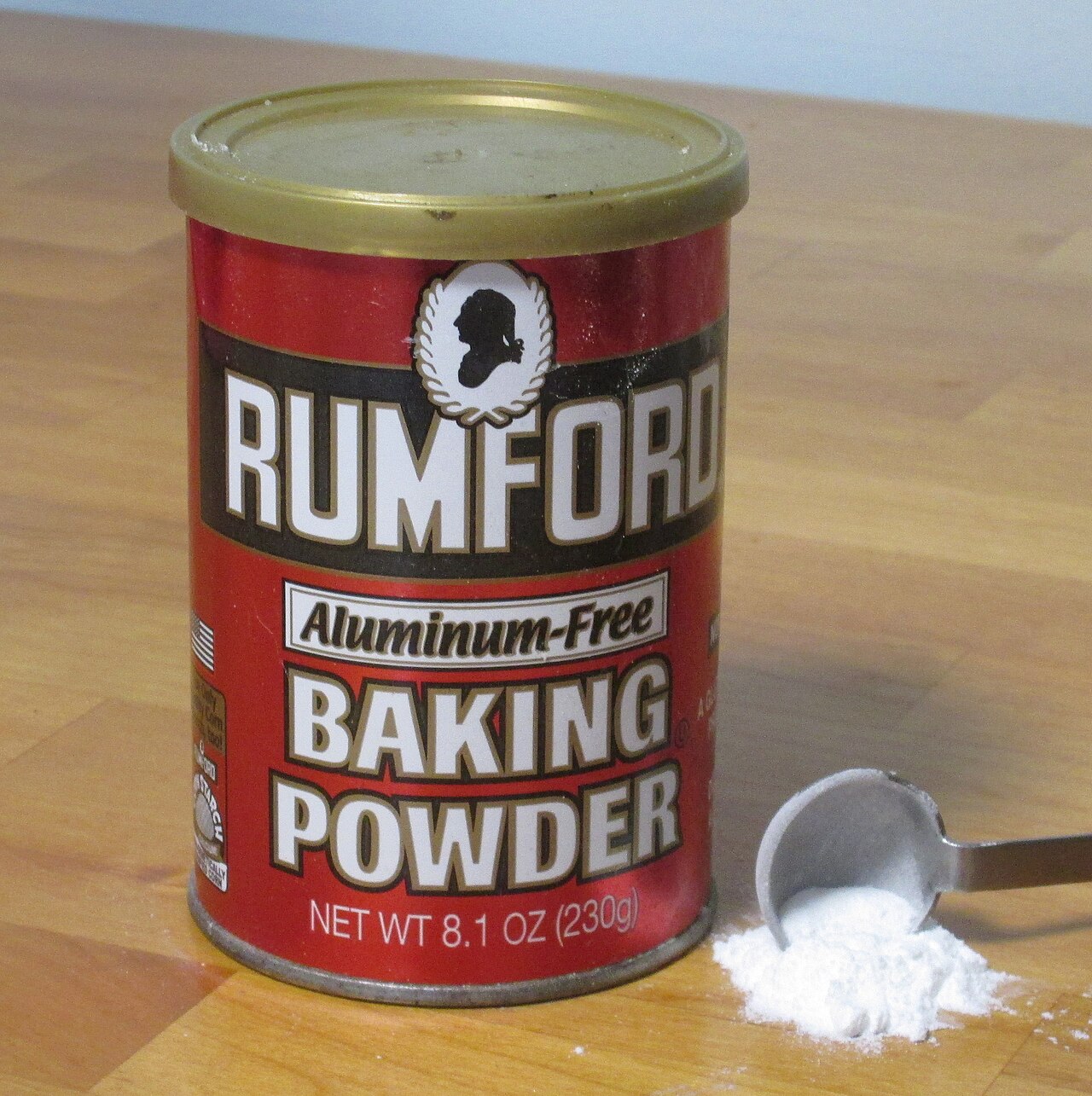
Bicarbonate of soda and baking powder are not the same thing, and swapping one for the other spoon for spoon is how a cake ends up flat, soapy or oddly bitter. The quick version: bicarbonate of soda is a single ingredient that needs an acid to work, while baking powder already has that acid built in. Bicarb is also far stronger, roughly three to four times the lifting power of baking powder, so you use much less of it. Get those two facts straight and most baking confusion clears up on its own. Here is the full picture, with the exact ratios for when you run out of one and have only the other. ...

Sliced fresh mushrooms ready for freezing

Can You Freeze Mushrooms? (And the Trick That Stops Them Going Slimy)

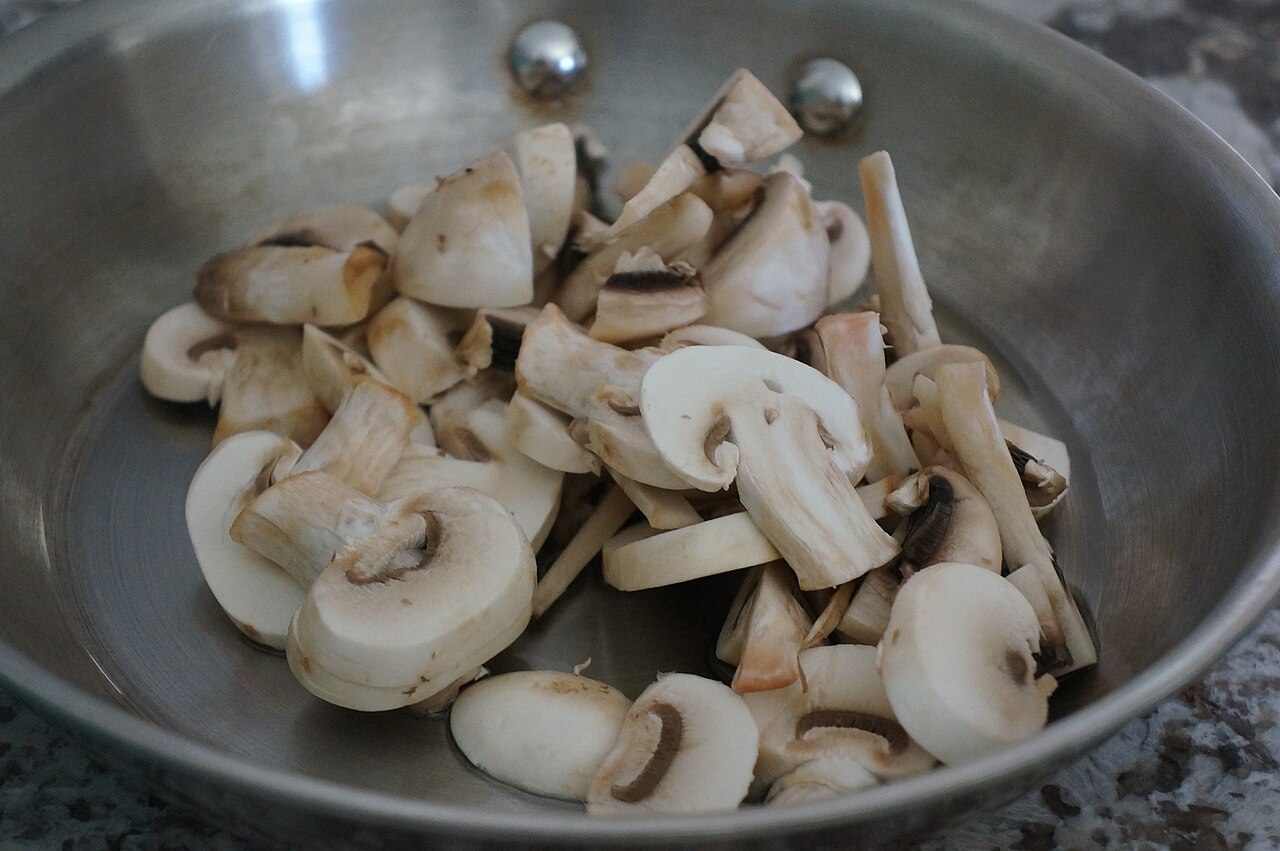
Yes, you can freeze mushrooms, but there is one thing worth knowing before you tip a punnet into a bag and shut the drawer: cook them first. Mushrooms are mostly water, and if you freeze them raw the ice crystals wreck their structure, so what comes out is limp and a bit slimy. Cook the water out before it freezes and you get a completely different result, mushrooms that still taste of something and hold up in a pan. That is the whole trick, and it takes about ten minutes. Below is exactly how I do it, how long they keep, and why you should never bother thawing them. ...

A whole raw chicken ready for cooking

How Long Does Raw Chicken Last in the Fridge?

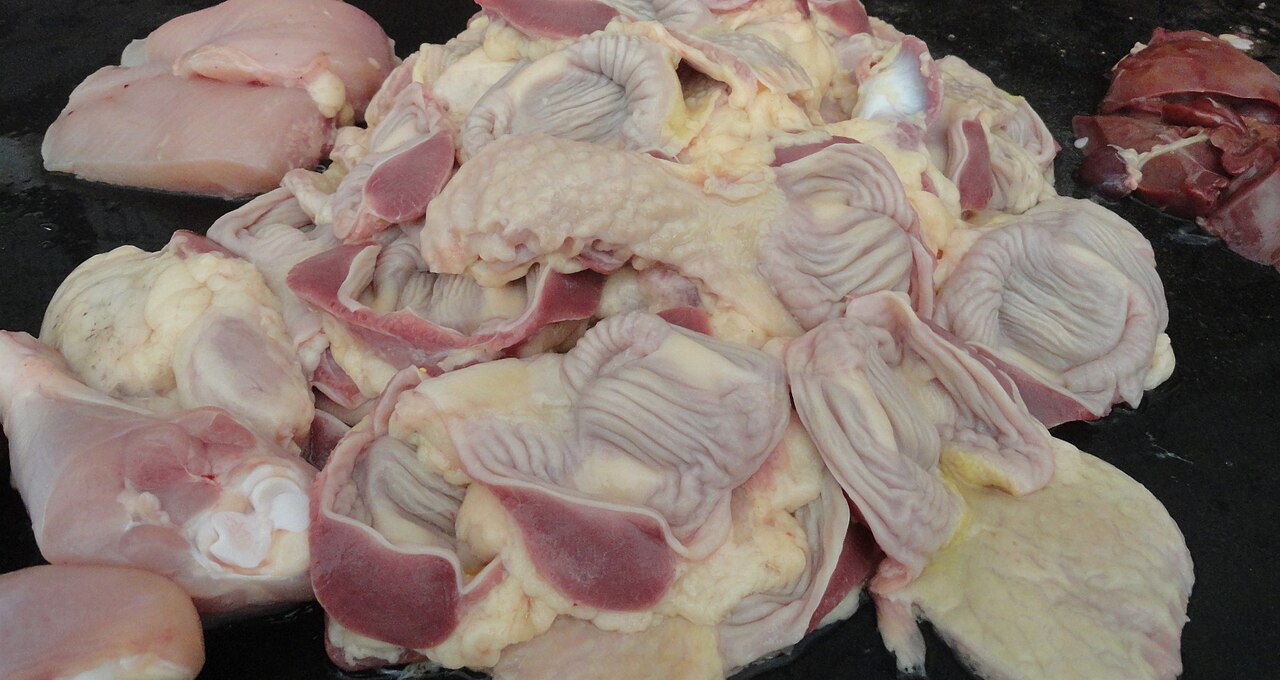
Raw chicken keeps for one to two days in the fridge, and the use-by date on the pack is the line you actually obey, not a smell test or a guess. That is the whole answer, and unlike a lot of storage questions this one has very little give in it. Raw poultry is the food I am strictest about in my kitchen, because it is the one most likely to carry campylobacter, the bug behind more UK food poisoning than any other. So this is a piece with firm edges: how long raw chicken really lasts, how to store it so it makes it that far, and the handful of rules that are worth being fussy about. None of it is complicated, but none of it is optional either. ...

A carton of fresh chicken eggs

How Long Do Eggs Last?

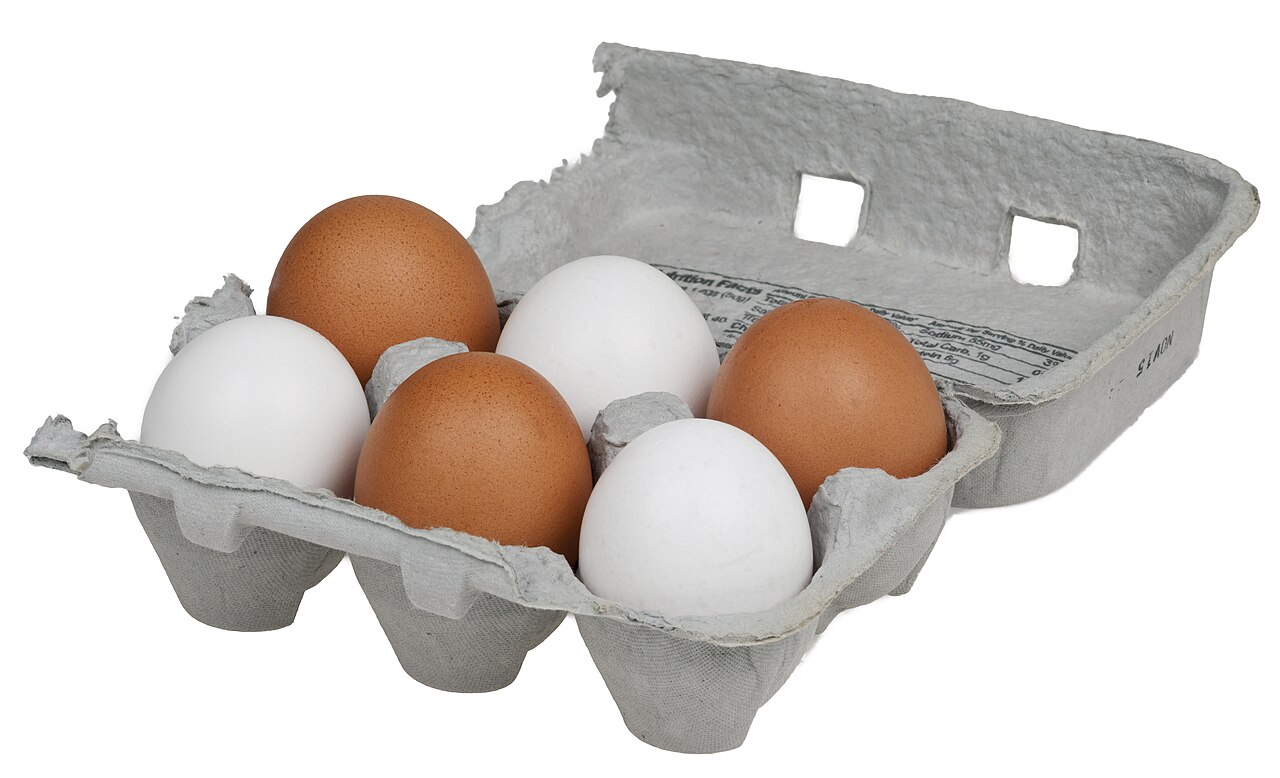
Raw eggs in their shells keep for three to five weeks in the fridge, and in practice that means roughly to the best-before date on the box and a day or two beyond if you cook them properly. That is the number I actually run my kitchen on. We go through two or three dozen a week here, so a stray box surfacing from the back of the shelf is a weekly event, and I have stopped treating a passed date as a verdict. Here is how long eggs really last, why they carry the date they do, and the small storage habits that make the difference between an egg that lasts five weeks and one that quietly gives up in two. ...

Raw pork sausages on a board

Can You Freeze Sausages? Raw, Cooked, and Cooking From Frozen

Yes, you can freeze sausages, raw or cooked, and they are one of the better things to keep in the freezer because a pack always seems to hold one or two more than a meal actually needs. Raw sausages keep their best quality for about 1 to 2 months frozen, cooked ones for around 2 to 3 months, and both stay safe well beyond that even as the texture slowly slips. The catch is not the freezing, it is the thawing and the cooking, because sausages are the classic food that looks done on the outside while the middle is still cold. Get that part right and a multipack becomes three or four easy dinners instead of a use-by-date panic. ...

A bowl of softly whipped cream

Can You Freeze Cream? What Works, What Splits, and How to Thaw It

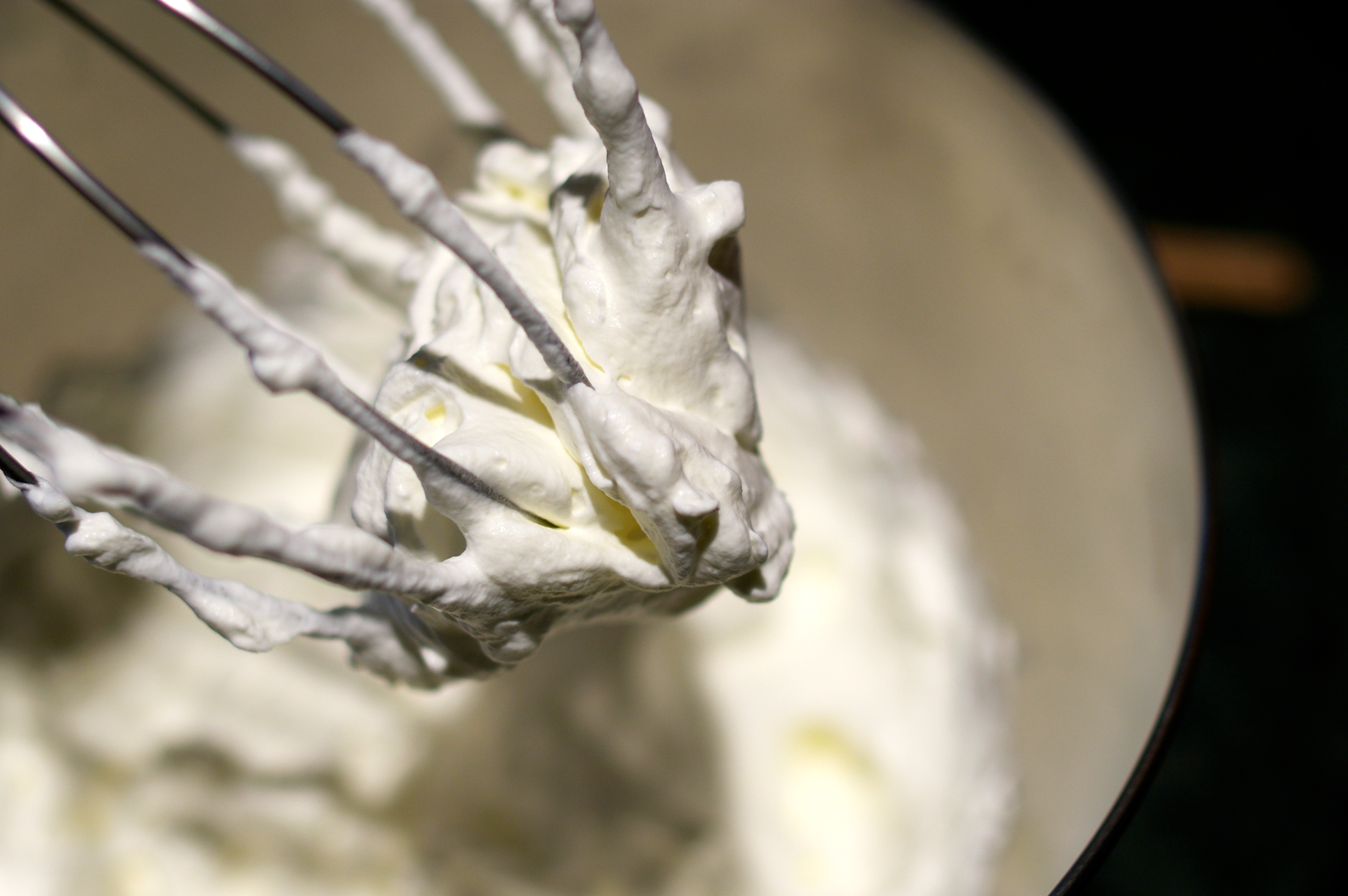
Yes, you can freeze cream, but which cream you have changes the answer more than any other freezing question I get asked. Double cream freezes well and comes back fine for cooking. Single cream tends to split into watery liquid and greasy flecks when it thaws, so it is the one to be wary of. Whipping cream sits in the middle, and it does best if you whip it first and freeze it in that form. Get the type right and you can stop pouring the last of a pot down the sink, which is exactly the sort of small waste that used to nag at me every week. ...

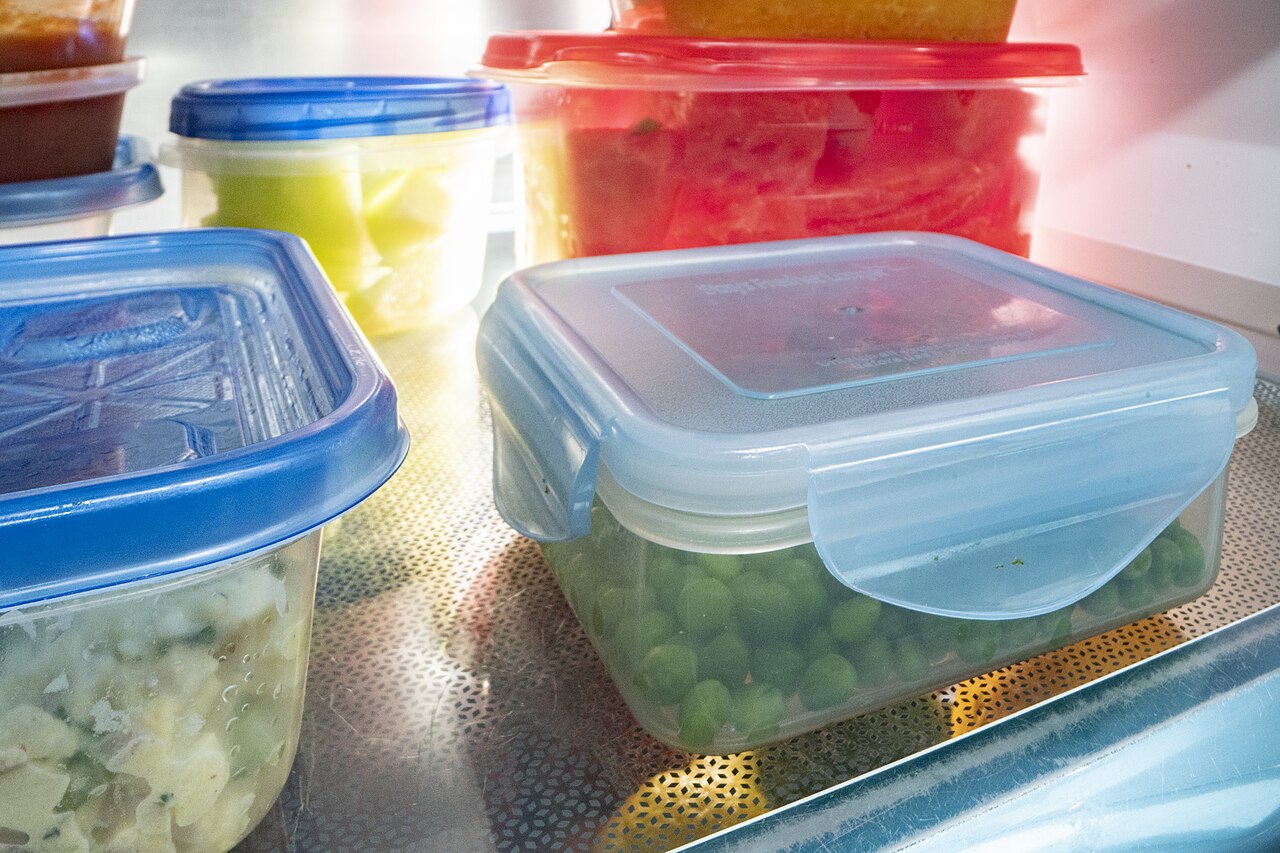
Leftovers stored in clear containers in a fridge

How Long Can You Leave Cooked Food Out?

Cooked food should not sit out at room temperature for more than two hours, and no more than one hour if the room is properly hot, say a warm kitchen in summer or food on a table in the sun. That is the working rule the UK Food Standards Agency, the NHS and the USDA all land on, and it is the one I go by at home. The pan of bolognese left on the hob while everyone drifts off after dinner, the roast cooling on the side, the rice you meant to put away: the safe move is to get them cooled and into the fridge inside a couple of hours, not to leave them until bedtime. ...

A bowl of plain flour on a wooden surface

How to Make Self-Raising Flour From Plain Flour

You are halfway through a recipe, the tin is greased, and the bag in the cupboard says plain when the recipe wanted self-raising. This happens to me more often than I would like to admit, usually on a Sunday when the shops feel a long way off. The good news is that you almost never need to stop. Self-raising flour is just plain flour with a raising agent already mixed through it, so you can make your own in the time it takes to find a whisk. Add 2 level teaspoons of baking powder to every 150g of plain flour, mix it well, and you have self-raising flour that behaves exactly as the shop-bought kind. ...