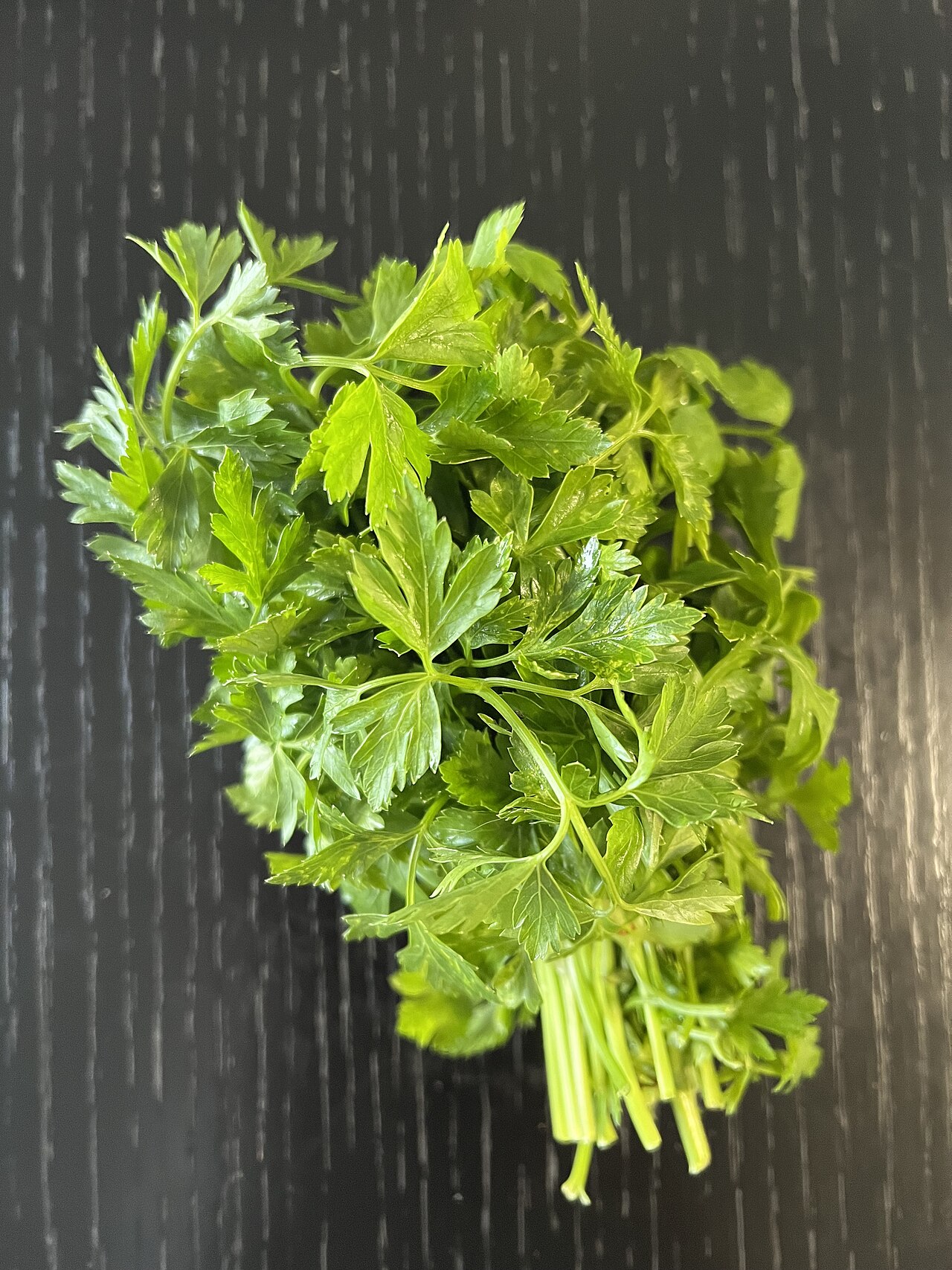
Yes, you can freeze fresh herbs, and it is the single thing that stopped me throwing away half a bag of coriander every week. The method depends on the herb. Soft, leafy herbs like basil, parsley, coriander, dill, chives and mint freeze best chopped and locked into ice-cube trays with a little oil or water, or blitzed into a paste. Woody herbs like rosemary, thyme, sage, oregano and bay freeze well left whole on the stem in a bag. Either way you use them straight from frozen, in cooked food rather than as a fresh garnish, because freezing softens them.
I grow a few herbs and buy the rest, and the supermarket bags are always more than one meal needs. Freezing is how I stop paying for herbs I then compost. Here is what I actually do, herb by herb.
Free PDF
Free Oven Temperature & Gas Mark Chart
A printable one-page conversion chart for your kitchen: degrees, fan, gas mark and the descriptions in between. Pop your email in and the PDF is yours, plus the odd straight-talking kitchen tip.
Free, unsubscribe any time. The download starts as soon as you sign up.
Soft herbs versus woody herbs
The split that matters is texture. Soft herbs are the tender, leafy ones with thin stems: basil, parsley, coriander, dill, chives, mint, chervil, tarragon. They hold a lot of water, so they wilt fast in the fridge and turn limp and dark when frozen and thawed. That sounds like a problem, and it is if you wanted them raw on top of a salad, but for anything that ends up in a hot pan they are excellent.
Woody herbs are the tougher ones with firm stems: rosemary, thyme, sage, oregano, marjoram, bay. They carry less water and more oil, so they freeze with far less change and keep more of their character. You can freeze these whole and barely notice the difference once they hit a stew.
Neither kind needs blanching. Vegetables often do before freezing, but culinary herbs you can skip that entirely, which makes the whole job a five-minute one.
Freezing soft herbs in oil (my usual method)
This is the one I reach for most, because the herbs come out ready to cook with and the oil protects them from freezer burn.
- Wash and dry them well. This is the step people rush and regret. Wet herbs freeze into a clump of ice crystals and go mushy. I wash, then spin or pat them properly dry in a tea towel.
- Strip and chop. Pull the leaves off the tougher stems and chop them to the size you would use in cooking.
- Pack an ice-cube tray. Fill each hole about two-thirds full with chopped herbs. A silicone tray makes them far easier to pop out later.
- Top with oil. Pour olive oil (or a neutral oil, or melted butter) over the herbs until they are just covered. Press them down with a fork so no leaves poke out into the air, because the bits that stick up are the bits that dry and go bitter.
- Freeze, then bag. Freeze for a few hours until solid, then turn the cubes out into a labelled freezer bag. Write the herb and the date on it, because a frozen green cube of parsley looks exactly like a frozen green cube of coriander, and they are not interchangeable in a curry.
To use, drop a cube straight into a hot pan at the start of cooking. The oil melts, the herbs release, and you are away. No thawing, no chopping.
If you would rather keep the oil out of it, do the same thing with water instead of oil. Water cubes are better for herbs you want to stir into soups, stews and sauces, where a spoon of oil would not suit.
The pesto and paste route
Basil is the awkward one. It blackens badly when you freeze the leaves loose, more than any other herb. The fix is to freeze it as something rather than as leaves. Blitz it into pesto, or just a rough paste with oil, and freeze that in a tub or in cubes. It keeps its colour and flavour far better, and you have the makings of a quick supper waiting. The same trick works nicely for coriander, mint or a mixed green herb paste. A soft blob of herb-and-oil paste is more useful to me in January than a bag of sad leaves ever was.
Freezing woody herbs whole
Rosemary, thyme, sage and bay could not be simpler. Wash and dry the sprigs, lay them flat in a single layer to freeze, then tip them into a bag. Once frozen you can crumble the leaves off the stems with your fingers straight into the pot; they come away easily and you can leave the woody stalk behind. A bag of frozen thyme sprigs lasts me months and goes into every stew and tray of roast vegetables.
Woody herbs also dry well, which soft herbs mostly do not, so drying is a fair alternative for these. But frozen keeps more of the fresh, green note that dried loses, so I freeze the ones I want to taste and dry the surplus.
A word on herb and garlic oils
One genuine safety point, because it catches people out. If you make a herb oil that also contains fresh garlic and you keep it at room temperature, you create the low-oxygen, low-acid conditions in which botulism can grow. It is rare, but it is serious. Freezing sidesteps the problem entirely: frozen herb-and-oil cubes are safe because the cold stops any growth. So by all means make herb-and-garlic cubes, just keep them in the freezer and use them from frozen rather than leaving a jar of garlicky oil sitting on the worktop for weeks.
How long frozen herbs keep, and what to expect
Frozen herbs stay safe for a long time, but their flavour fades, so I aim to use mine within about four months and rarely keep them past six. They are at their best in the first few months.
Set your expectations right and you will be pleased rather than disappointed. Thawed soft herbs are limp and darker than fresh, and any water on them will have wept out. That rules them out as a raw garnish, the sprig on the plate or the scatter over a salad. What they are brilliant at is flavour in cooked food: stirred into scrambled eggs, melted into a sauce, folded through rice, dropped into soup, roasted with vegetables. In all of those, nobody can tell they were frozen. For a garnish you still want fresh, so freeze the excess and keep a small live pot or a fresh bunch going for the top of the plate.
Getting your quantities right
Recipes are usually written for fresh herbs, and frozen chopped herbs are close enough to fresh that you can swap them one for one; just add them a touch earlier so they warm through. If a recipe calls for dried and all you have is your frozen fresh, remember dried herbs are more concentrated, so you need roughly three times as much fresh as dried. One teaspoon of dried thyme is about a tablespoon of fresh. My ingredient converter helps with the swaps, and if you are scaling a batch of something up for the freezer, the recipe scaler sorts the numbers.
Freezing is only half of keeping herbs usable, of course. For the fresh bunches you are getting through this week, and for the dried jars in the cupboard, my guide to storing herbs and spices covers keeping them lively. And if freezing to save food is your thing, the same anti-waste habit works for a freezer full of other odds and ends; freezer storage times is a handy reference for how long the rest of it keeps.
Herbs are cheap individually and expensive in aggregate, all those half-bags add up over a year. Ten minutes with an ice-cube tray turns the surplus into something you will genuinely use, and the bin stays a lot emptier for it.