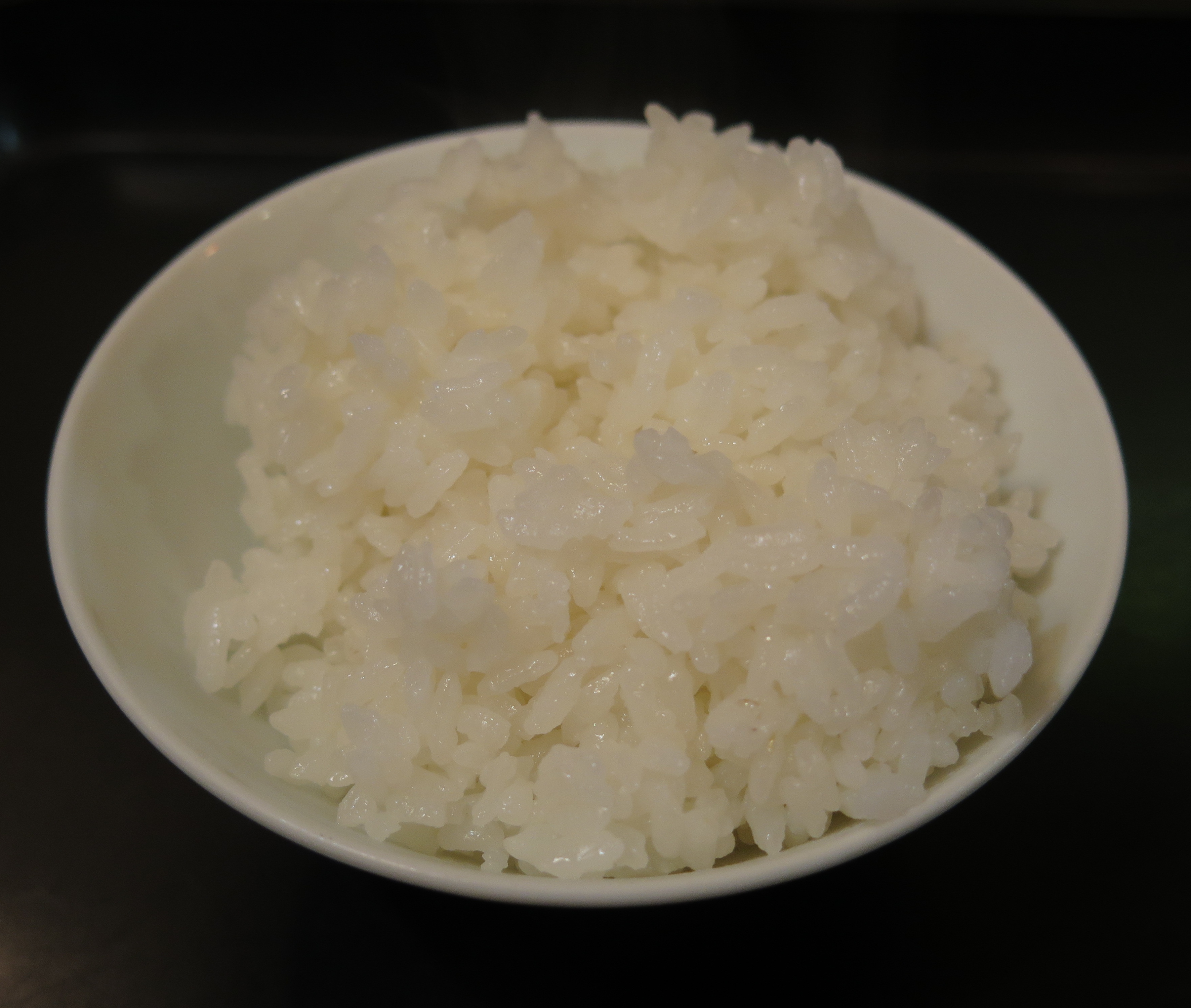
Yes, you can reheat rice, and I do it most weeks. The rule that matters is this: reheat it once, make sure it is steaming hot all the way through, and only reheat rice you cooled quickly and kept properly chilled. The scary headlines about “fried rice syndrome” are not really about the reheating at all. They are about what happens to rice while it sits around warm before it ever reaches the microwave. Get the cooling right and reheating is the easy part.
I batch-cook rice often, because standing over a second pan on a busy evening is my idea of nobody’s fun. So I have had to get comfortable with the actual food safety here rather than the vague sense of dread a lot of people carry about leftover rice. Let me walk you through what is genuinely going on, because once you understand it, the whole thing stops being frightening and just becomes a habit.
Free PDF
Free Oven Temperature & Gas Mark Chart
A printable one-page conversion chart for your kitchen: degrees, fan, gas mark and the descriptions in between. Pop your email in and the PDF is yours, plus the odd straight-talking kitchen tip.
Free, unsubscribe any time. The download starts as soon as you sign up.
The real risk: Bacillus cereus, not the reheat
Uncooked rice very commonly carries the spores of a bacterium called Bacillus cereus. These spores are tough, and here is the awkward bit: they survive cooking. So even a pan of perfectly boiled rice can still have live spores sitting in it.
On their own, dormant spores are not the problem. The problem starts when cooked rice is left standing at room temperature. Warm, moist, starchy rice is close to a perfect home for those spores, so they wake up, multiply, and some strains produce a toxin as they go. That toxin is the thing that makes people ill, with vomiting and diarrhoea usually coming on within a few hours.
The catch that trips everyone up is that this particular toxin is heat-stable. Once it has formed in the rice, reheating will not destroy it, however hot you get the food. That is why “just microwave it properly” is not a fix on its own. If the rice sat out for hours and the toxin has already formed, a blistering reheat does nothing to save it.
So the honest headline is that reheating rice is not dangerous. Badly stored rice is dangerous, and reheating simply cannot rescue it. The whole game is played before the rice ever goes cold.
Cool it fast: the single most important step
The Food Standards Agency is clear on this, and it lines up with everything above: cool leftover rice as quickly as you can, ideally within one hour, then get it into the fridge.
That one-hour window is the bit worth taking seriously, because it is where the bacteria get their opening. A big bowl of hot rice left on the side to “cool down” can stay warm in the middle for a long time, and that warm middle is exactly where spores multiply. What I actually do is spread the rice out thin on a wide plate or a tray rather than leaving it heaped in the pan. A thin layer sheds heat far faster than a deep mound. Running the base of the bowl under a cold tap for a minute helps too. Then it goes straight in the fridge, covered, the moment it is no longer steaming.
Do not wait for rice to reach room temperature on the counter before you fridge it. That old kitchen habit is the very thing to avoid here. Cool it quickly, then chill it.
How long can you keep cooked rice before reheating?
Keep cooked rice in the fridge for no more than one day before you reheat and eat it. This is stricter than the advice you will see for a lot of other leftovers, and it is deliberate, because of the spore issue above. I treat cooked rice as a next-day food, not a leave-it-till-the-weekend food.
If you know you will not use it within a day, freeze it instead of chilling it. Rice freezes well and the freezer stops the clock. I keep portioned bags of cooked rice in the freezer for exactly this reason. There is more detail in my guide to whether you can freeze cooked rice, and on fridge life in how long cooked rice lasts.
Reheat it once, and get it steaming hot
Two rules when the rice comes back out.
First, reheat rice only once. Every cool-and-reheat cycle is another window for bacteria to multiply, and the toxin load can build up with no way to cook it back out. So decide your portion, reheat that, and do not send the rest on a second round trip through the fridge. This is the same principle that applies to leftovers generally, which I cover in how many times you can reheat food.
Second, get it properly hot, not just warm. The rice needs to be steaming hot all the way through, which means piping hot in the middle and not just around the edges. In practice that is stirring it halfway through in the microwave so there are no cold pockets, and a splash of water helps it heat evenly and stops it drying out. The general reheating target the FSA works to is 70°C held for two minutes, or the equivalent, right through the food. If it is only lukewarm, it is not done.
Straight from frozen, I usually microwave rice with a spoonful of water, breaking up the block and stirring as it goes, until every bit of it is steaming. My broader method is in reheating leftovers safely.
A quick word on takeaway and fried rice
The nickname “fried rice syndrome” comes from restaurant cases where boiled rice was cooked in bulk, left standing at room temperature for hours, and then flash-fried to order. The frying looks reassuring but it does not undo the toxin that formed while the rice sat out. That is the whole lesson in one dish.
At home, treat leftover takeaway rice the same as any other cooked rice. If a container of egg fried rice has been sitting out on the table through a long, lazy dinner, it has had its warm hours already. When I am not sure how long a takeaway portion has been out, or it was delivered barely warm, it goes in the bin rather than the fridge. That is not waste, that is the sensible call.
When to just throw it out
Bin cooked rice, without a sniff test, if any of these are true:
- It sat out at room temperature for more than a couple of hours (or over an hour on a hot day).
- It has been in the fridge more than a day.
- You have already reheated it once.
- You genuinely cannot remember when you cooked it.
And here is the honest limit of your senses: Bacillus cereus toxin does not reliably announce itself. Rice that will make you ill can look, smell and taste completely normal. So you cannot inspect your way to safety the way you might with a bit of fish. The date and the storage history are what you trust, not your nose. When in doubt, throw it out. A portion of rice is a few pence; a bad night is not worth it.
The quick version
Cook it, cool it fast within the hour, chill it, and use it within a day. Reheat once, until it is steaming hot right through. Freeze it if you will not eat it tomorrow. Do that, and reheated rice is a genuinely useful, safe part of feeding a busy house.
If you are scaling a rice dish up or down and want the water right, my recipe scaler and ingredient converter will do the sums for you, and there is a full method in how to cook perfect rice.
This is a general reference from one home cook who hates waste, not medical advice. If you are pregnant, very young, elderly or unwell, or feeding someone who is, err on the cautious side, because those groups feel food poisoning harder. If you think you have a foodborne illness that is severe or not settling, speak to NHS 111 or your GP.