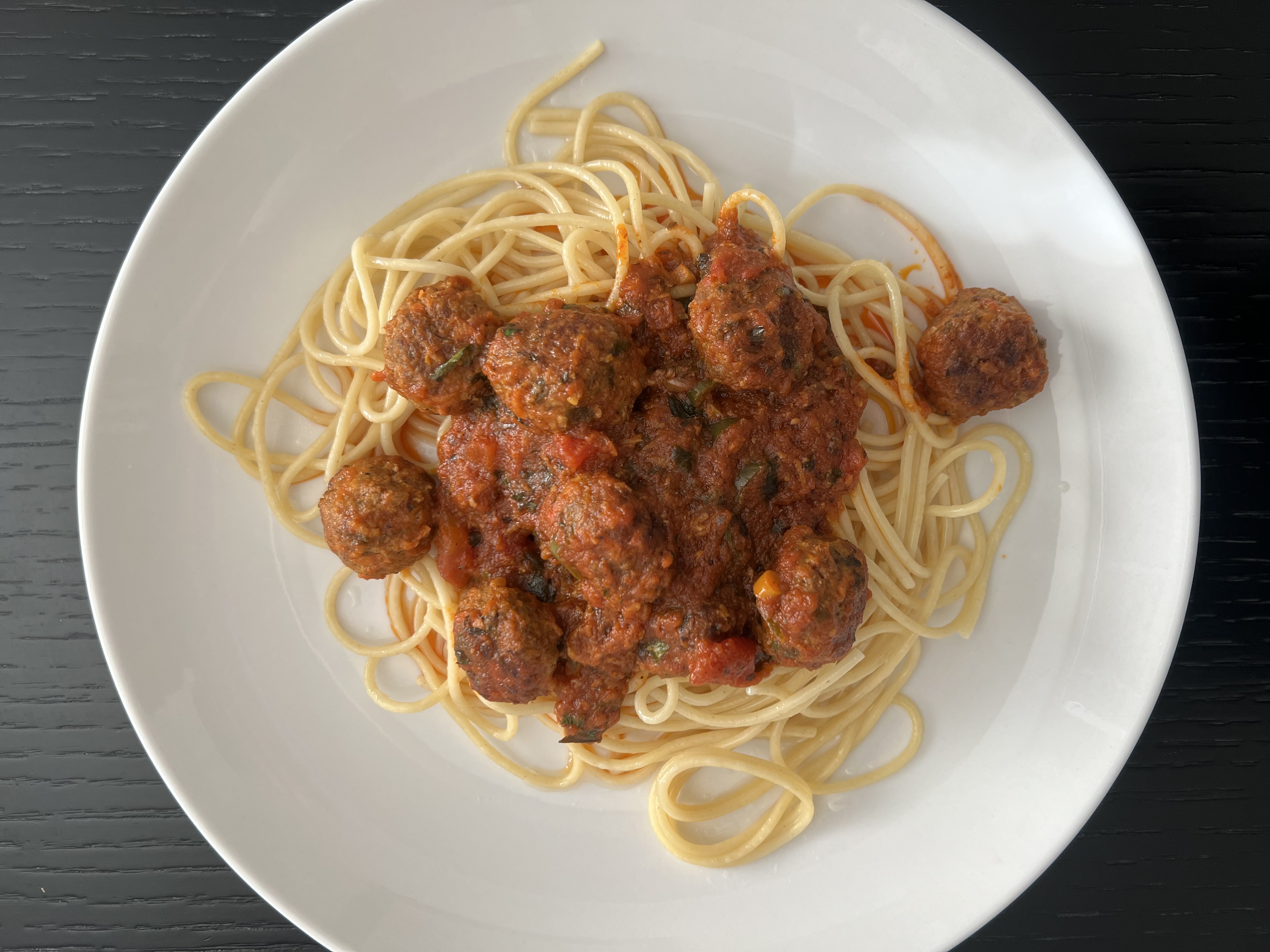
Yes, you can freeze cooked pasta, and it is one of those quiet time-savers I wish I had started doing years ago. Cook a big pan once, freeze it in portions, and a hot bowl of pasta is three minutes away on a night when I have nothing left to give. The results are genuinely good too, better than most people expect, as long as you undercook it a touch and cool it fast. Here is how I do it, and where the pitfalls are.
Free PDF
Free Oven Temperature & Gas Mark Chart
A printable one-page conversion chart for your kitchen: degrees, fan, gas mark and the descriptions in between. Pop your email in and the PDF is yours, plus the odd straight-talking kitchen tip.
Free, unsubscribe any time. The download starts as soon as you sign up.
The short answer
Cooked pasta freezes well for up to about three months. Plain pasta and pasta already mixed with sauce both freeze, though they behave a little differently, and the single best thing you can do is stop cooking the pasta a minute or two before it is properly done. Pasta softens again when you reheat it, so anything cooked to perfectly al dente the first time comes back a bit soft and tired. Slightly firm going in gives you the right texture coming out.
Cool it fast, the same as any leftover
Before the freezing, the cooling. Drain the pasta and get it cooling quickly rather than leaving the pan sitting on the hob for the afternoon. The Food Standards Agency guidance for all cooked food is to cool it as fast as you can, ideally within about ninety minutes, then refrigerate or freeze it. Spreading pasta out on a tray or running plain pasta briefly under the cold tap both drop the temperature quickly.
This matters more with pasta than people assume. Dried pasta, like rice, can carry the spores of a bacterium called Bacillus cereus, and those spores survive boiling. They do no harm while the pasta is cooking or freshly hot, but cooked starchy food left standing warm on the side is exactly where they wake up and multiply, and some strains produce a toxin that reheating will not destroy. It is the same reason we are careful with leftover rice. So freeze pasta that was cooled promptly, not a bowl that sat out through a film.
How to freeze plain pasta
Plain pasta with no sauce is the most flexible thing to have in the freezer, because you can throw it into anything later.
- Undercook by a minute or two. Firm, not soft.
- Drain and toss with a little oil. A teaspoon of olive oil stops the strands or shapes clumping into one solid brick, which is the usual complaint about frozen pasta.
- Cool it, then portion. Meal-sized amounts in freezer bags with the air pressed out, or in tubs. Flat bags stack better and thaw faster.
- Label and date it. Best used within three months.
To reheat plain pasta I do not even thaw it. It goes straight from frozen into a pan of boiling water or a colander under a boiling kettle for a minute or so, then drains and joins the sauce. Frozen to plate in the time it takes the sauce to warm.
Shape makes a difference to how well it comes back. Sturdy shapes hold up best: penne, fusilli, rigatoni, macaroni and other short shapes freeze and reheat with hardly any complaint. Long strands like spaghetti and tagliatelle are more prone to clumping into a solid nest, so they need the oil and a good stir, and I find they are more forgiving frozen already tangled with their sauce than frozen plain. Delicate filled pasta such as tortellini or ravioli I would rather freeze uncooked than cooked, because the cooked parcels turn soft and can burst on reheating.
Freezing pasta with sauce
Pasta already dressed in sauce, or a full pasta bake, freezes just as happily and is arguably more useful because it is a whole meal ready to go. A few notes from doing it a lot:
- Tomato and meat sauces freeze brilliantly. A bolognese-coated pasta or a baked ragu comes back almost as good as new.
- Creamy and cheese sauces are less reliable. Cream can split or go slightly grainy on thawing. It usually still tastes fine and a good stir while reheating brings most of it back, but do not expect a frozen carbonara to match a fresh one.
- Bakes freeze in the dish. I assemble lasagne or a pasta bake, cool it, and freeze it whole or in cut portions. Reheat from frozen in a moderate oven until piping hot in the middle, which takes longer than you think, so give it time.
Sauced pasta is best eaten a little sooner than plain, within a month or so, mostly for texture rather than safety.
Reheating: get it piping hot
However you freeze it, reheat pasta until it is steaming hot all the way through, not merely warm. UK guidance is piping hot to the centre, meaning about 70 degrees held for a couple of minutes. With a chunky bake that is easy to underdo, because the edges bubble while the middle is still cool, so check the centre is properly hot before you serve it. There is more on this in reheating leftovers safely.
Reheat it once, as well. Warm up only the portion you are going to eat, and do not put reheated pasta back in the fridge to warm through again another day. Each trip through the warm zone is another opportunity for bacteria, and with starchy food that is worth respecting. My piece on how many times you can reheat food explains why once is the sensible limit.
What about fresh pasta and shop-bought?
Fresh egg pasta freezes best uncooked, which is a slightly different job to the leftovers this article is about. If you have cooked fresh pasta, you can still freeze it, but treat it gently, because it is more delicate than dried and goes soft more readily; undercook it more and reheat it briefly.
For shop-bought chilled pasta meals, follow the pack. Many say suitable for home freezing and give you a use-by window; if the label says do not freeze, there is usually a reason, often that it has already been frozen once at the factory. Do not fabricate a rule the packet does not give you.
The honest limits
Freezing pauses the clock, it does not turn it back. Pasta that was left out too long before freezing, or reheated more than once, is not made safe by another spell in the cold. And the look-and-smell check has a ceiling here as everywhere: harmful bacteria on mishandled starchy food often leave no obvious sign. If you cannot remember when you froze something, or a portion has been out on the side for hours, throw it out rather than gamble. When in doubt, bin it.
The way I actually use it
The habit that stuck for me is cooking double whenever I boil pasta anyway. Half goes on the plate that night; the other half, undercooked slightly and tossed with oil, is cooling on a tray before we have even sat down, then into bags and the freezer. On the flat nights it earns its keep completely. If you are trying to work out how much dried pasta to cook for a crowd in the first place, my recipe scaler and ingredient converter will get the quantities right, and then the leftovers look after themselves. For the fridge side of the question, how long a cooked batch keeps before you would want to freeze or bin it, I have covered that in how long does cooked pasta last.