Here is the short answer: single cream and double cream are the same stuff at different strengths, and the strength is fat. Single cream is about 18% fat, double cream about 48%, and whipping cream sits between them at roughly 35%. That single figure decides everything that matters in a kitchen: whether the cream whips, whether it splits when it hits a hot pan, and whether it is meant for pouring or for holding its shape on top of a pudding. Once you know the fat, you know what the cream will do.
I keep this straight in my head with one rule that has saved me a lot of wasted pots. You can always thin a rich cream down, but you can never thicken a thin one up. That is why, if I am only buying one, I buy double.
Free PDF
Free Oven Temperature & Gas Mark Chart
A printable one-page conversion chart for your kitchen: degrees, fan, gas mark and the descriptions in between. Pop your email in and the PDF is yours, plus the odd straight-talking kitchen tip.
Free, unsubscribe any time. The download starts as soon as you sign up.
The one number that decides everything
British cream is sold by law at set minimum fat levels, so the names are not marketing, they are a promise about what is in the pot. These are the ones you will meet, from thinnest to thickest.
- Half cream: about 12% fat. Thin, for pouring into coffee.
- Single cream: about 18% fat. Pours, enriches, will not whip.
- Soured cream: roughly 18 to 20% fat, cultured to go tangy.
- Crème fraîche: around 30% for the full-fat kind, also cultured.
- Whipping cream: about 35% fat. Whips light and airy.
- Double cream: about 48% fat. Whips fast and stiff, and survives heat.
- Clotted cream: 55% and up. A spoon, not a pour.
Everything below follows from those numbers. If you remember nothing else, remember that fat is what carries air when you whip and what stops cream splitting when you heat it. Low fat, neither of those happens. High fat, both do.
Which creams whip, and which never will
You need fat of roughly 30% or more before cream will hold air. That is the whole story of whipping.
Single cream at 18% will not whip, no matter how long you beat it or how cold your bowl is. There simply is not enough fat to trap the air, so you get frothy liquid that collapses back on itself. People try, get frustrated, and assume they have done something wrong. They have not; the cream was never going to do it.
Whipping cream at 35% is the specialist. It whips to a soft, generous volume and stays light, which makes it the one I reach for when I want to fold cream through a mousse or pipe it onto a trifle. It is more forgiving than double because there is a wider gap between “whipped” and “ruined”.
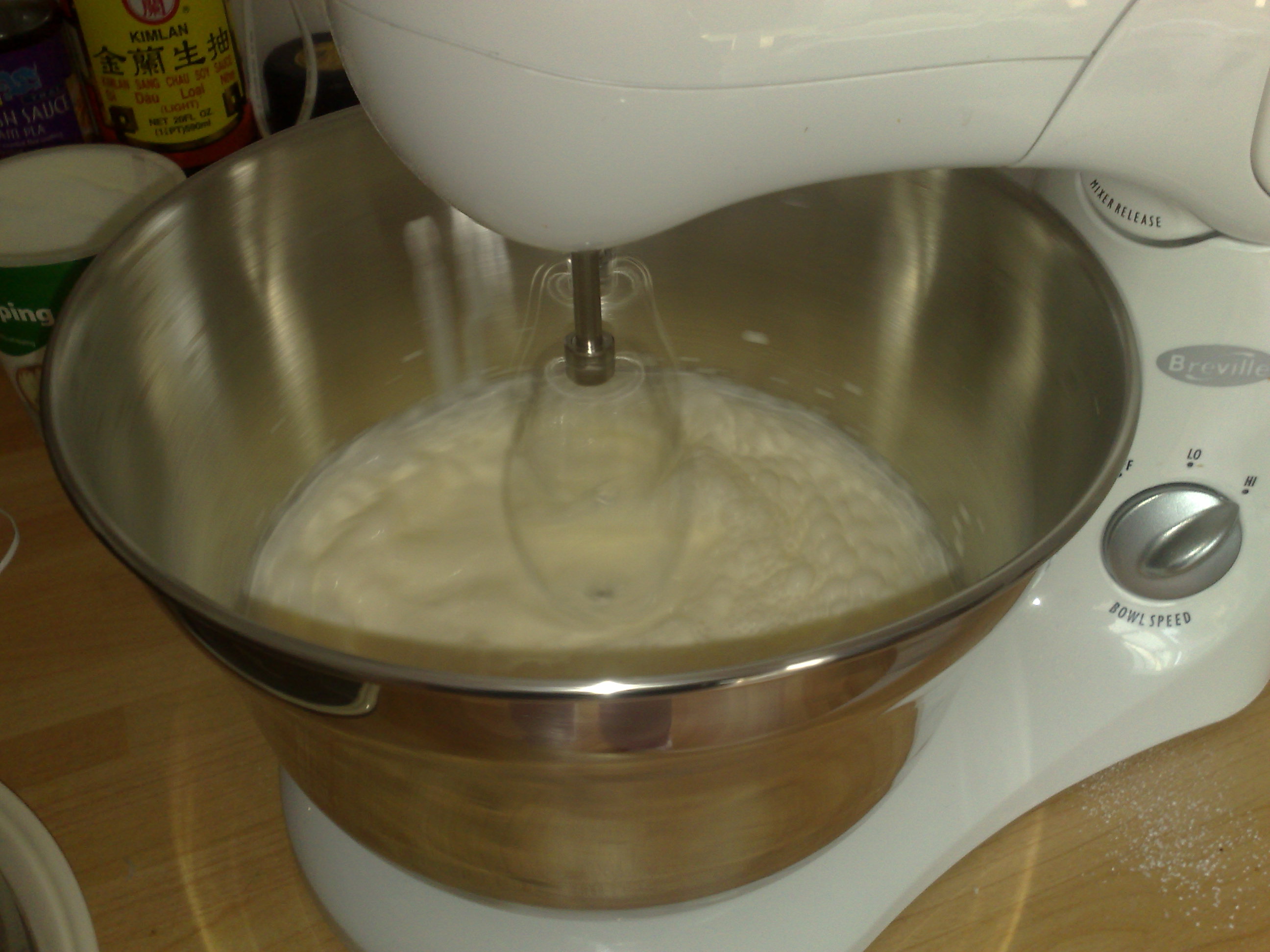
Double cream at 48% whips fastest of the lot and holds the stiffest peak, which is exactly why it is easy to take too far. A few seconds too many and it turns grainy, then buttery. If you are whipping double by hand or machine, slow down as it thickens and stop while it still looks glossy. Chilled cream in a chilled bowl whips faster and further, so give both a spell in the fridge first if you have the time.
Boiling, splitting, and hot sauces
This is where the fat matters just as much, and where single cream lets people down.
Double cream is stable in a hot pan. You can bring it up to a simmer, reduce it into a sauce, stir it through a curry or a soup, and it stays smooth. That stability is why nearly every recipe for a creamy reduction asks for double.
Single cream is the opposite. Heat it hard, especially alongside anything acidic like lemon, wine or tomato, and it curdles into little grainy flecks. It has not gone off, it has just split, but it looks wrong and the texture is spoiled. If a recipe only leaves you single cream, add it at the very end, off the fierce heat, and do not let it boil. A quieter trick is to whisk a teaspoon of cornflour into the single cream before it goes in; the starch steadies it and makes a split far less likely.
What I actually reach for
Stripped of the theory, here is how it plays out in a real week.
- Pouring over crumble, pie or fresh fruit: single cream, or double loosened with a splash of milk.
- Whipping for a pudding or piping: whipping cream for lightness, double for a firmer, richer result.
- A creamy pasta, curry or soup: double cream, every time, because it will not split.
- A dollop of tang on chilli, soup or a baked potato: soured cream or crème fraîche.
- Scones: clotted cream, and no argument about which goes on first.
Swapping one for another
Recipes assume you have the exact cream named, and real fridges rarely oblige. Most of the time you can bridge the gap.
Double instead of single: loosen it with milk. Roughly one part milk to two parts double cream gives you something close to single for pouring or enriching a sauce. Add the milk a little at a time until it pours the way you want.
Single instead of double: fine for pouring and for gently enriching a dish at the end, but understand the limits. It will not whip, and it will not take a hard boil, so it cannot stand in where the recipe relies on either of those. For a sauce, add it late and keep the heat low.
Whipping instead of double, or the reverse: these two are interchangeable for whipping and for most sauces. Double gives a richer result and a firmer peak; whipping gives more volume and a bit more margin for error.
American recipes: US “heavy cream” is about 36% fat, so it behaves like our whipping cream and is your closest match for most jobs a recipe calls double for. US “light cream” at around 20% is our single. “Half and half” is our half cream. None of them are as rich as British double, so a sauce may come out slightly thinner than the writer intended.
The one place I would not improvise is baking that depends on a set ratio, a cheesecake or a panna cotta. There, use the cream the recipe names, because the fat is doing structural work. For pouring quantities, if a recipe gives cream in millilitres and you only think in tablespoons, the ingredient converter sorts that out, and the recipe scaler is handy when you are halving a pudding and trying not to buy a pot you will only half use.
The rest of the shelf
Soured cream and crème fraîche are both cultured, which is why they taste tangy. Crème fraîche has more fat, so it is the one that copes better with heat; you can stir it into a hot sauce with less risk of splitting than soured cream, which is happier cold or barely warmed. Either lifts a chilli, a curry or a tray of roasted vegetables.
Extra-thick double cream is double cream that has been homogenised so it is spoonable straight from the pot. It is made for dolloping, not whipping, and it will not aerate the way ordinary double does, so do not buy it expecting stiff peaks.
Clotted cream is in a class of its own at over 55% fat, gently baked until it forms that golden crust. It is a serving cream, not a cooking one.
Storing cream, and one honest limit
Keep cream in the coldest part of the fridge, on a shelf and not in the door, where the temperature swings every time someone reaches for the milk. Once a pot is open, use it within a couple of days and always go by the use-by date on the label, because cream is a fresh dairy product and use-by is a safety date, not a suggestion. If it smells sour or sharp, or the texture has turned, bin it; when you genuinely cannot tell, throw it out. None of this replaces the guidance on the pack, which always has the final word.
Freezing is worth a mention because cream so often comes in pots bigger than the recipe. Double cream freezes well, single and whipping are less reliable and tend to split on thawing, and the whole business has enough quirks that I have written it up separately in can you freeze cream. For the wider freezer list, the freezer storage times guide has the rest.
So the whole thing comes down to one figure on the side of the pot. Low fat pours, high fat whips and holds a boil, and the numbers in between behave exactly as you would expect. Buy double if you can only buy one, thin it when you need something lighter, and you will waste far less cream down the sink.