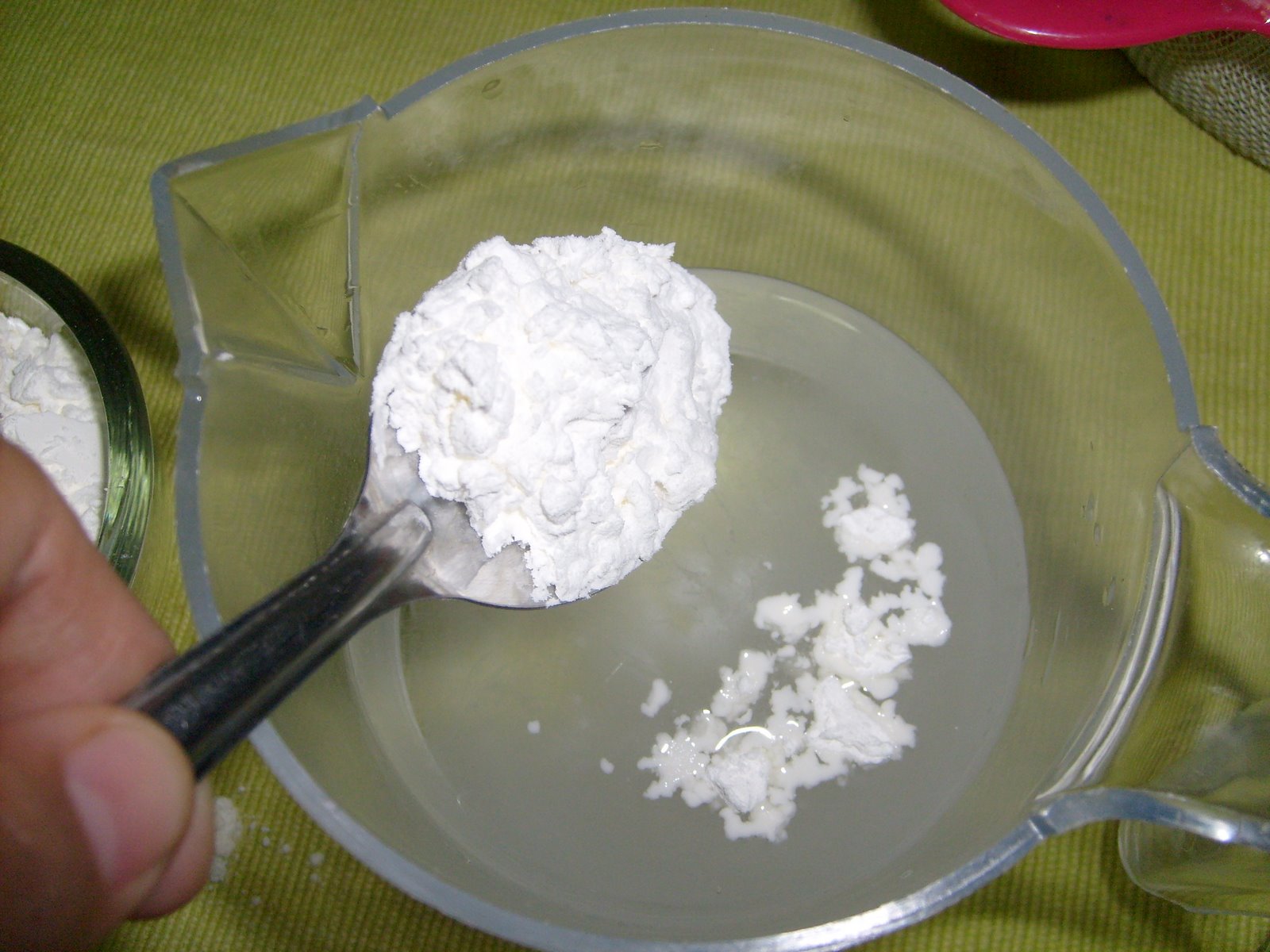
Cornflour and cornstarch are the same ingredient. In Britain we call it cornflour; Americans call it cornstarch; it is a fine, bright white powder of pure starch milled from the heart of the maize kernel, and its whole job is to thicken. If a recipe from the United States asks for cornstarch, reach for your tub of cornflour and use exactly the same amount. There is no conversion to do.
The confusion, and it is a real one that ruins the odd recipe, comes from the words themselves. Because there is one thing an American cook means by “corn flour” that is not our cornflour at all, and it is worth getting straight before you thicken anything.
Free PDF
Free Oven Temperature & Gas Mark Chart
A printable one-page conversion chart for your kitchen: degrees, fan, gas mark and the descriptions in between. Pop your email in and the PDF is yours, plus the odd straight-talking kitchen tip.
Free, unsubscribe any time. The download starts as soon as you sign up.
The naming trap
In the UK, Ireland, Australia, India and much of Asia, “cornflour” and “cornstarch” both mean the pure white thickening starch. Same product, two names.
In the United States the two words split apart. “Cornstarch” is the pure white starch, our cornflour. But “corn flour” over there means finely ground whole dried maize, closer to a fine cornmeal, yellow and full of flavour, used for cornbread, coatings and dusting. If you follow an American recipe that says “corn flour” and you tip in British cornflour by mistake, you have swapped a flavour-and-body ingredient for a flavourless thickener, and the result will be wrong.
So the rule is simple. American recipe says cornstarch, use your cornflour. American recipe says corn flour as an ingredient in its own right, that is fine cornmeal, and British cornflour is not the substitute. While we are naming things, none of these are the same as masa harina or polenta, which are also maize but coarser and treated differently.
What cornflour actually is
It is pure starch, and that matters for three reasons. It is flavourless, so it thickens without changing the taste of a sauce. It sets clear and glossy rather than cloudy, which is why glazes on a Chinese stir-fry or a fruit tart look shiny instead of pasty. And it is naturally gluten-free, so it is the thickener to reach for when someone at the table cannot eat wheat.
Because it is nothing but starch, it is roughly twice as powerful a thickener as plain flour. Keep that ratio in your head, because it is the key to swapping between them.
How to thicken without lumps
The one thing you must never do is tip cornflour straight into a hot pan. It clumps on contact and sets into little jellied lumps you will spend the next five minutes chasing round the sauce. The fix is the slurry, and it is the only technique you need.
Put the cornflour in a small cup or bowl and stir in a little cold liquid, water, stock or milk, until it is a smooth thin paste with no lumps. I use roughly equal parts cornflour and cold water, or up to twice the water if I want it looser. Then pour that slurry into the simmering liquid you want to thicken, stirring as it goes, and let it come back to a gentle simmer. It thickens within a minute as the starch granules swell and burst.
For quantities, these are the amounts I actually use:
- A pourable sauce or thin gravy: about 1 tablespoon of cornflour per 250ml of liquid.
- A thick gravy or a glossy stir-fry glaze: about 2 tablespoons per 250ml.
- A pie or crumble filling that needs to set: 1 to 2 tablespoons per 250ml of fruit juice, depending on how loose the fruit is.
Start at the lower end. You can always stir in a little more slurry and simmer again, but you cannot easily take thickness out. Once it has thickened, give it a minute of gentle heat to cook off the faintly chalky taste of raw starch, then stop.
Cornflour vs plain flour
Both thicken, but they are not the same tool. The differences decide which one I reach for.
Cornflour thickens with about half the quantity, so where a recipe uses 2 tablespoons of plain flour you would use roughly 1 tablespoon of cornflour. It sets clear and glossy, needs no fat and no roux, works fast, and is gluten-free. Plain flour sets opaque and matte, usually wants cooking into a fat first as a roux or it tastes raw, and gives a softer, more velvety body that suits a proper béchamel or a stew.
My own habit is cornflour for anything I want to look clean and shiny, a sweet-and-sour sauce, a fruit glaze, a clear gravy, and plain flour for the comforting, matte, long-cooked sauces where nobody is looking for gloss. For a gravy I want to look glassy rather than floury, cornflour wins every time.
The mistakes that make it fail
Cornflour is easy, but it has a few genuine weaknesses, and knowing them saves a ruined sauce.
Over-boiling and over-stirring thin it out. Once cornflour has thickened, hard prolonged boiling or vigorous stirring breaks the starch network back down and the sauce goes runny again. Thicken it, then leave it be on a gentle heat.
Acid weakens it. Lots of lemon, vinegar or wine interferes with the set, so if a dish is sharp, add the acid towards the end, after the cornflour has done its work.
It does not love the freezer. A cornflour-thickened sauce tends to weep and turn watery once frozen and thawed. For anything you plan to freeze, plain flour or arrowroot holds up better.
Reheating can loosen a set. A sauce that thickened beautifully can slacken when you reheat it hard, for the same reason as over-boiling. Warm it gently.
Other jobs it does well
Thickening is the headline, but cornflour earns its place in a few other ways. A spoonful rubbed into flour makes shortbread and biscuits more tender by softening the wheat’s gluten. It gives fried food a lighter, crisper coating, which is why so many crispy chicken and tofu recipes dust in cornflour rather than flour. It is the backbone of homemade custard and lemon curd, and it stabilises the odd wobble too: a teaspoon whisked into eggs before they go into a quiche, or into single cream before it meets a hot pan, makes both far less likely to split. That last trick pairs neatly with the point about thin creams in my note on double cream vs single cream.
If you have run out
No cornflour in the cupboard? You have options.
- Plain flour: use twice as much, and cook it out longer to lose the raw taste. The sauce will be more opaque.
- Arrowroot: swap roughly one for one, or a touch less. It sets even clearer than cornflour, copes better with acidic mixtures, and weeps less in the freezer, though it dislikes long boiling and can go slimy with dairy.
- Potato starch or tapioca starch: both thicken clear and work much like cornflour, added as a cold slurry the same way.
For getting the amounts right when a recipe deals in tablespoons and you are eyeballing a tub, the ingredient converter sorts out the spoon-to-gram question, and if you are scaling a sauce up or down for more or fewer people, the recipe scaler keeps the thickening in proportion so you do not end up with wallpaper paste.
Cornflour is one of those quiet cupboard staples that does far more than its price suggests. Remember that it equals American cornstarch, that it is twice as strong as plain flour, and that it always goes in as a cold slurry, and it will thicken almost anything you ask of it to a clean, glossy finish.