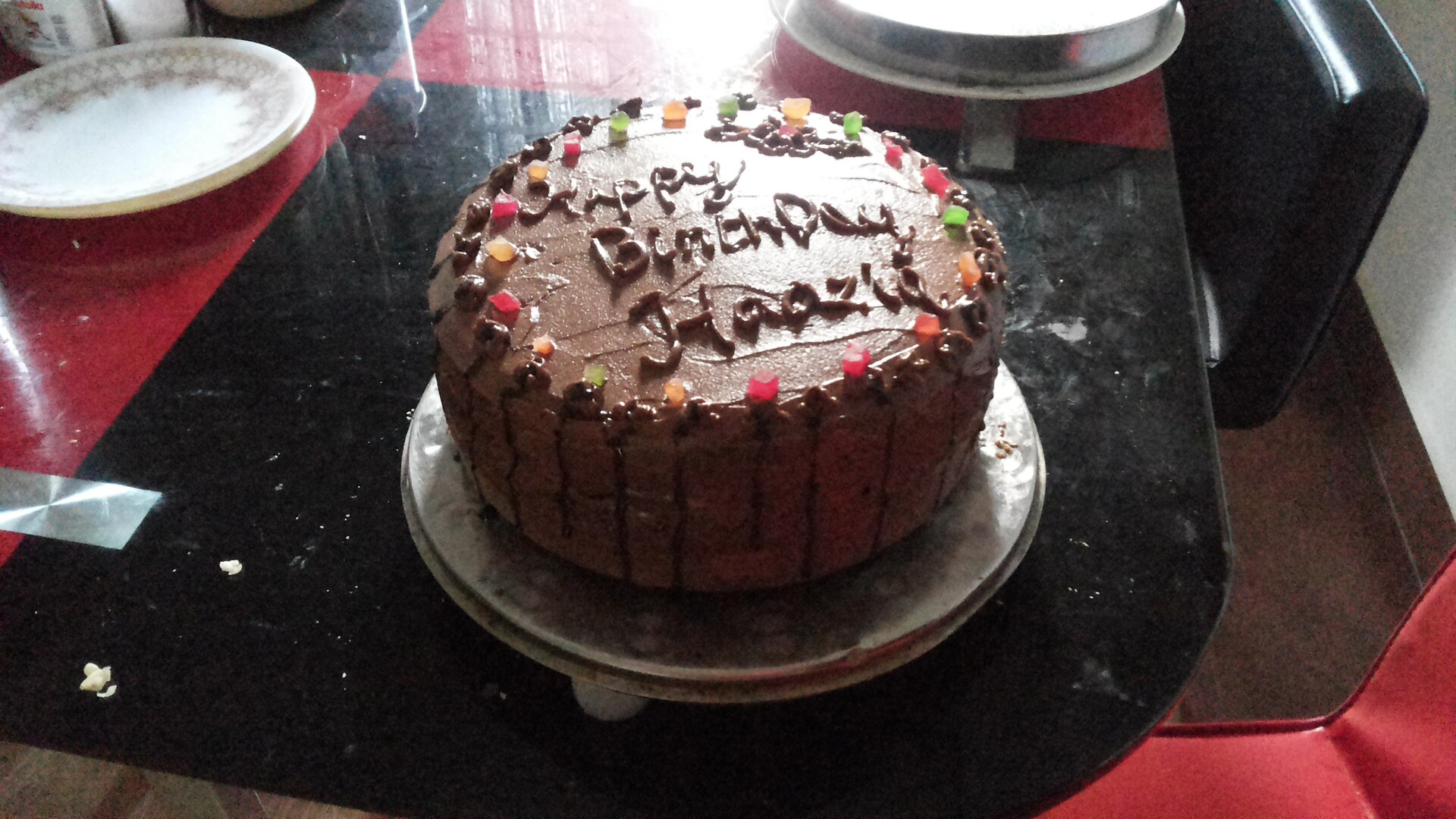
You are halfway through a recipe, you crack the fridge open, and there are no eggs. Or someone at the table cannot eat them and the recipe calls for two. Before you write the bake off, know this: for most cakes, muffins, brownies and biscuits you can swap the eggs out and still get a good result. The catch is that there is no single magic replacement, because an egg is not doing one job in a recipe, it is doing two or three at once. Once you know which job matters in the bake in front of you, picking the right swap is easy. Here is what actually works, measured per egg, and how to choose.
Free PDF
Free Oven Temperature & Gas Mark Chart
A printable one-page conversion chart for your kitchen: degrees, fan, gas mark and the descriptions in between. Pop your email in and the PDF is yours, plus the odd straight-talking kitchen tip.
Free, unsubscribe any time. The download starts as soon as you sign up.
First, work out what the egg is even doing
An egg does three things in baking, and different recipes lean on different ones:
- Binding. It holds the crumb together so your biscuits do not fall apart. Cookies, flapjack-style bars and burgers rely on this.
- Moisture. It keeps the crumb soft and tender. Cakes and muffins want this.
- Lift. Whisked eggs trap air and help a bake rise light. Sponges and anything airy depend on it.
Match your swap to the job that matters most and you will get a good bake. Try to fake all three at once and you will be disappointed. This is the whole game, and it is why “just use banana” works in a muffin and ruins a meringue.
The swaps, per egg
Flax egg (best all-rounder for binding)
Mix 1 tablespoon of ground flaxseed (linseed) with 3 tablespoons of water, stir, and leave it for ten minutes until it turns thick and gloopy, a bit like a raw egg. It has to be ground, not whole, or it will not gel. This is my default when a recipe needs one or two eggs for structure: cookies, muffins, banana bread, pancakes, flapjacks. It adds a faint nutty taste and a slightly denser, heavier crumb, which suits a wholesome bake far better than a delicate one. A chia egg works the same way (1 tablespoon ground chia to 3 tablespoons water, left a little longer), a touch more neutral in flavour but with tiny flecks through the crumb.
Aquafaba (the one that genuinely whips)
This is the water drained from a tin of chickpeas, and it is the closest thing to a miracle on this list. Three tablespoons replaces one whole egg; two tablespoons replaces one egg white. Whisked, it foams up like egg white and holds air, which no other swap here really does. It is what makes eggless meringues, macarons, mousse and light sponges actually possible. It is faintly beany from the tin but the taste bakes out. If a recipe leans on whisked egg for its lift, this is the only swap worth reaching for. Keep the chickpeas for a curry and you have wasted nothing.
Natural yoghurt or buttermilk (moisture and tenderness)
Use 60g, about a quarter of a cup, of plain natural yoghurt or buttermilk per egg. It brings moisture and a soft, tender crumb, and it is excellent in cakes and muffins. Because it adds a little acidity, it plays nicely with bicarbonate of soda in the recipe, which helps the rise. Stick to plain, unsweetened, or you will throw the flavour off.
Mashed banana (moisture, with a flavour cost)
Half a mashed banana, roughly 60g, replaces one egg, adding moisture and helping bind. The obvious limit is that it tastes of banana, so keep it to bakes where that is welcome: banana bread of course, but also spiced cakes, muffins and pancakes. Do not put it in a vanilla sponge and expect vanilla. Very ripe, spotty bananas mash smoothest and taste sweetest.
Applesauce or apple purée (neutral moisture)
Use 60g, a quarter of a cup, of unsweetened apple purée per egg. It does much the same job as banana but with a far milder flavour, so it slips into more recipes unnoticed. It makes for a moist but slightly denser bake, so if you want a bit of lift back, add half a teaspoon of baking powder alongside it. Good in cakes, muffins and brownies.
Bicarbonate of soda and vinegar (lift, for a light cake)
An old trick that still works. One teaspoon of bicarbonate of soda plus one tablespoon of vinegar per egg fizzes on contact and puffs the batter up, giving you a surprisingly light cake. This is the method behind the classic eggless chocolate cake your gran might have called a wacky cake or a wartime cake. Use white or cider vinegar so it disappears into the flavour, and get the batter into the oven promptly while the fizz is still working.
Silken tofu and nut butter (for dense, rich bakes)
A quarter of a cup of silken tofu, blended smooth, replaces one egg and gives a dense, moist result that suits fudgy brownies and rich, heavy cakes rather than anything light. Three tablespoons of a smooth nut butter also binds well and adds richness, though it brings its own flavour, so save it for bakes where peanut or almond belongs.
Quick reference for one egg
- Flax or chia egg: 1 tbsp ground seed + 3 tbsp water, rested. Binding.
- Aquafaba: 3 tbsp (whole egg) or 2 tbsp (white). Lift and whisking.
- Natural yoghurt or buttermilk: 60g. Moisture.
- Mashed banana: half a banana. Moisture, adds banana flavour.
- Applesauce: 60g unsweetened. Neutral moisture.
- Bicarbonate of soda + vinegar: 1 tsp + 1 tbsp. Lift, for light cakes.
- Silken tofu: 60g blended. Moisture, for dense bakes.
Where the swaps stop working
Be honest about the limits. These swaps are reliable when you are replacing one or two eggs in a recipe that is mostly flour and sugar. Once a recipe calls for three or more eggs, the eggs are usually the structure, not a supporting act, and no purée is going to hold that together. A rich sponge, a soufflé, a proper custard, a quiche, a lemon curd, a pavlova: here the egg is the recipe, and the result of subbing it out is not a slightly different bake, it is a different dish or a flop. Aquafaba is the one exception for the whisked, airy end of that list, meringues especially, but it will not save a custard.
So pick recipes that are forgiving, keep the swaps to one or two eggs, and do not expect a four-egg genoise to survive the treatment.
One serious note on egg allergy
Baking without eggs by choice is one thing. Baking for someone with a real egg allergy is another, and it is a medical matter, not a preference. If that is why you are here, a substitute in the batter is only half the job: check every other ingredient’s label, watch for “may contain egg” warnings, and be strict about not cross-contaminating with bowls, spoons or surfaces that have touched egg. A food allergy can cause a serious reaction, so when it is someone’s health on the line, err firmly on the side of caution and follow the advice of whoever manages the allergy. This page is baking guidance, not medical advice.
The bottom line
There is no universal egg replacement, but there is always a right one for the job. Need binding, reach for a flax egg. Need moisture, use yoghurt, applesauce or banana. Need lift, whisk aquafaba or fizz some bicarbonate of soda with vinegar. Keep it to one or two eggs in a forgiving recipe and you will barely know the difference. Push it into a bake where the eggs are the whole structure and you will.
For the rest of your swaps, my guide to baking ingredient substitutions covers the flours, sugars and raising agents, and if you are short of self-raising flour too, here is how to make your own. Scaling the recipe up or down for the amount of substitute you have? The ingredient converter and recipe scaler will sort the maths, and if bicarbonate of soda is doing the lifting, it is worth knowing how it differs from baking powder.