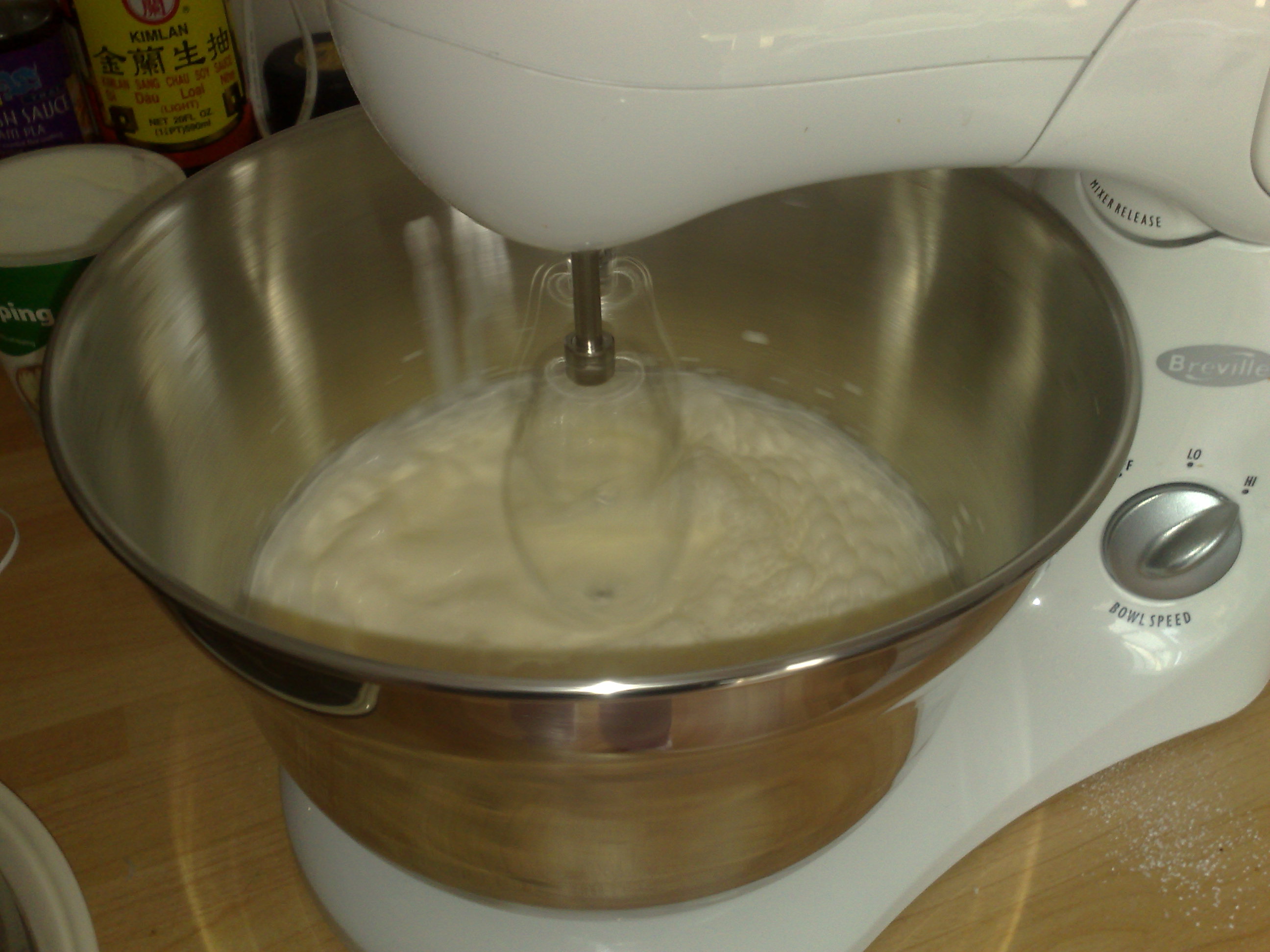
Raw chocolate chip cookie dough in a bowl before baking

Can You Eat Raw Cookie Dough?

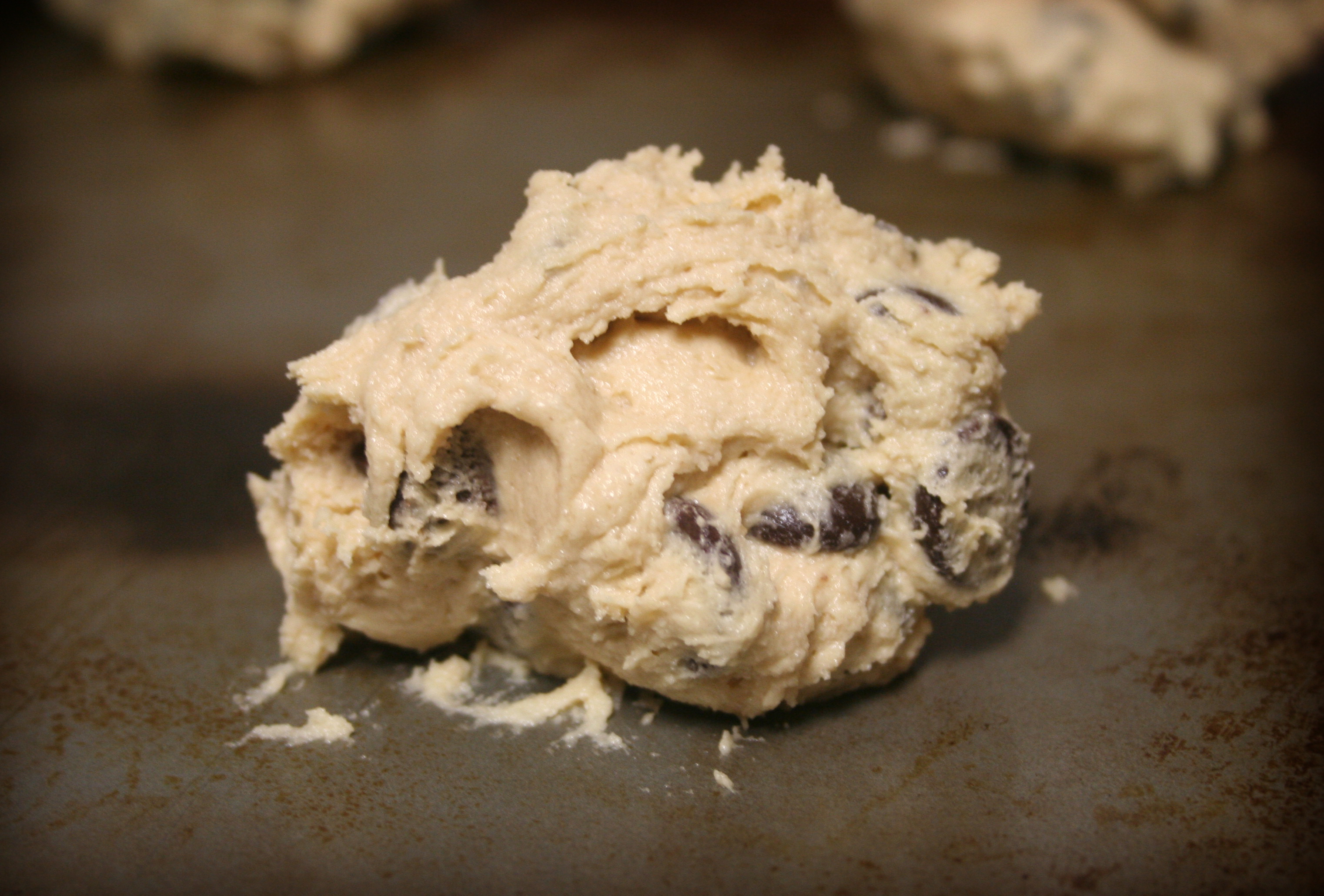
The straight answer is no, you should not eat ordinary raw cookie dough, the kind you make to bake. I know that is not what anyone licking the spoon wants to hear, and I will be honest that I have swiped raw dough plenty of times in my life without incident. But “I got away with it” is not the same as “it is safe,” and there are two separate reasons the dough in your bowl carries a genuine risk. Most people only know about one of them. ...
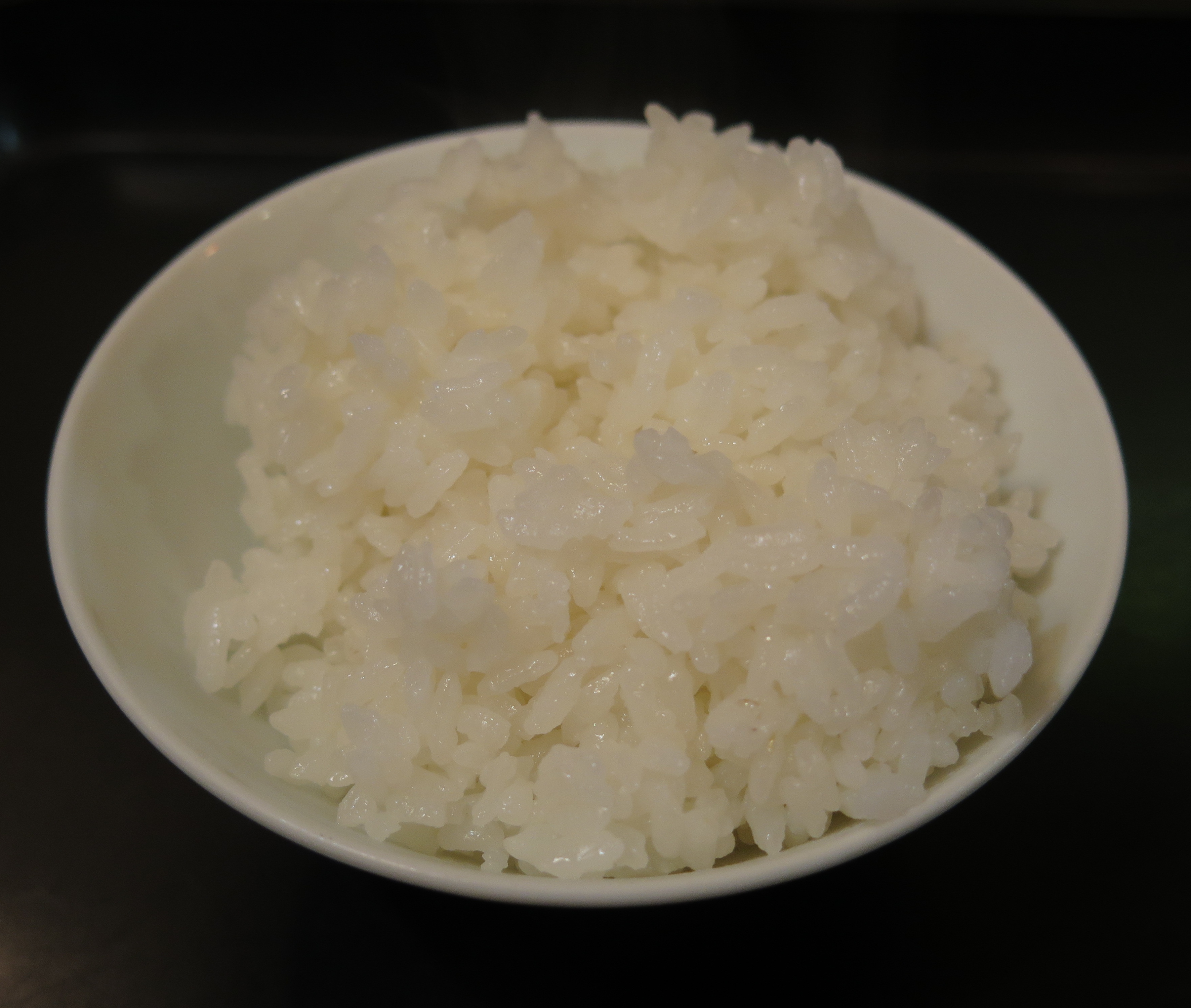
A bowl of cooked white rice

Can You Reheat Rice? What the Fried Rice Warning Really Means

Yes, you can reheat rice, and I do it most weeks. The rule that matters is this: reheat it once, make sure it is steaming hot all the way through, and only reheat rice you cooled quickly and kept properly chilled. The scary headlines about “fried rice syndrome” are not really about the reheating at all. They are about what happens to rice while it sits around warm before it ever reaches the microwave. Get the cooling right and reheating is the easy part. ...

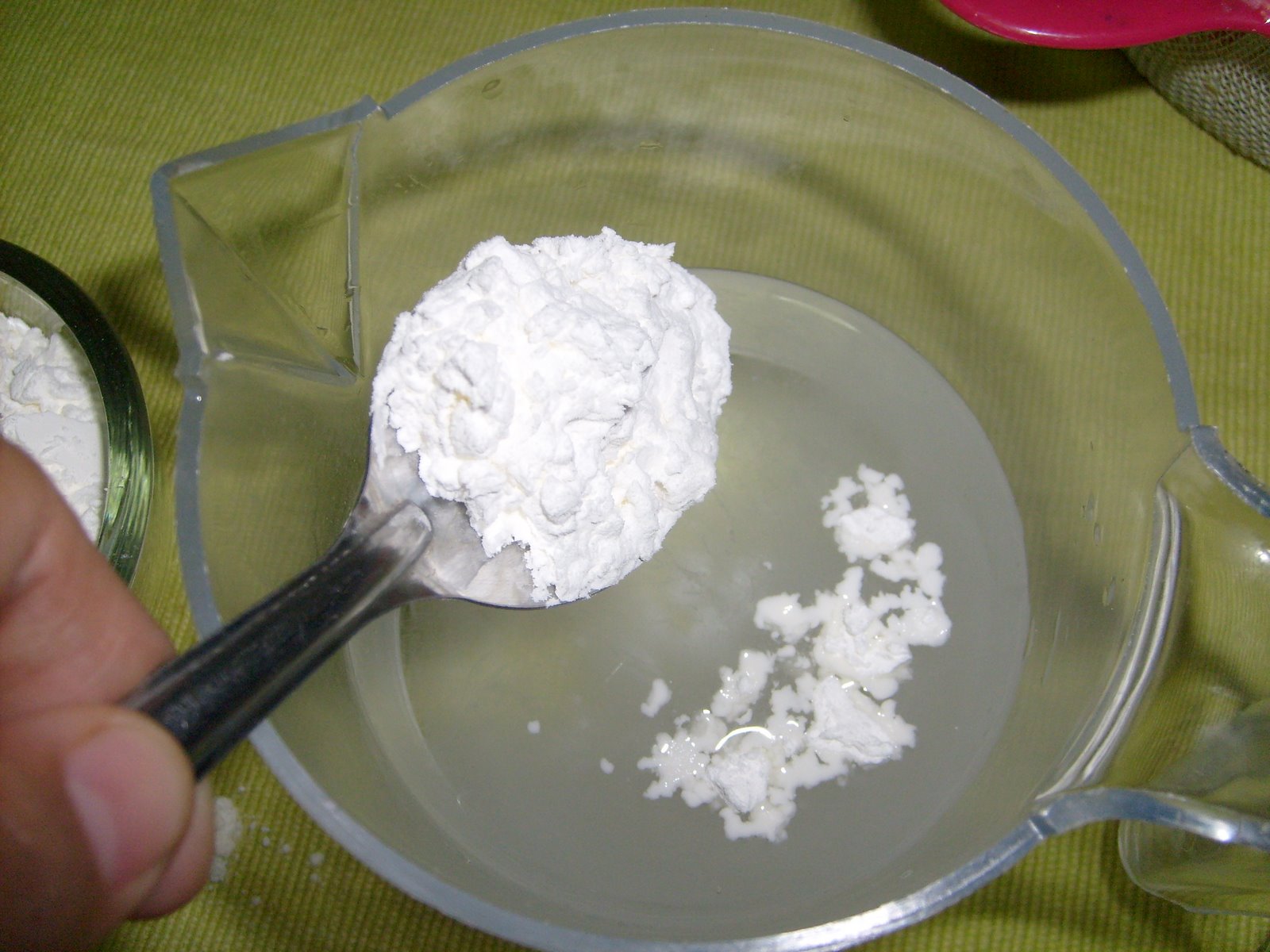
Cornflour being mixed with water into a slurry

Cornflour vs Cornstarch (What They Are and How to Thicken With Them)

Cornflour and cornstarch are the same ingredient. In Britain we call it cornflour; Americans call it cornstarch; it is a fine, bright white powder of pure starch milled from the heart of the maize kernel, and its whole job is to thicken. If a recipe from the United States asks for cornstarch, reach for your tub of cornflour and use exactly the same amount. There is no conversion to do. ...

Cream being poured from a jug

Double Cream vs Single Cream (and What to Use When)

Here is the short answer: single cream and double cream are the same stuff at different strengths, and the strength is fat. Single cream is about 18% fat, double cream about 48%, and whipping cream sits between them at roughly 35%. That single figure decides everything that matters in a kitchen: whether the cream whips, whether it splits when it hits a hot pan, and whether it is meant for pouring or for holding its shape on top of a pudding. Once you know the fat, you know what the cream will do. ...

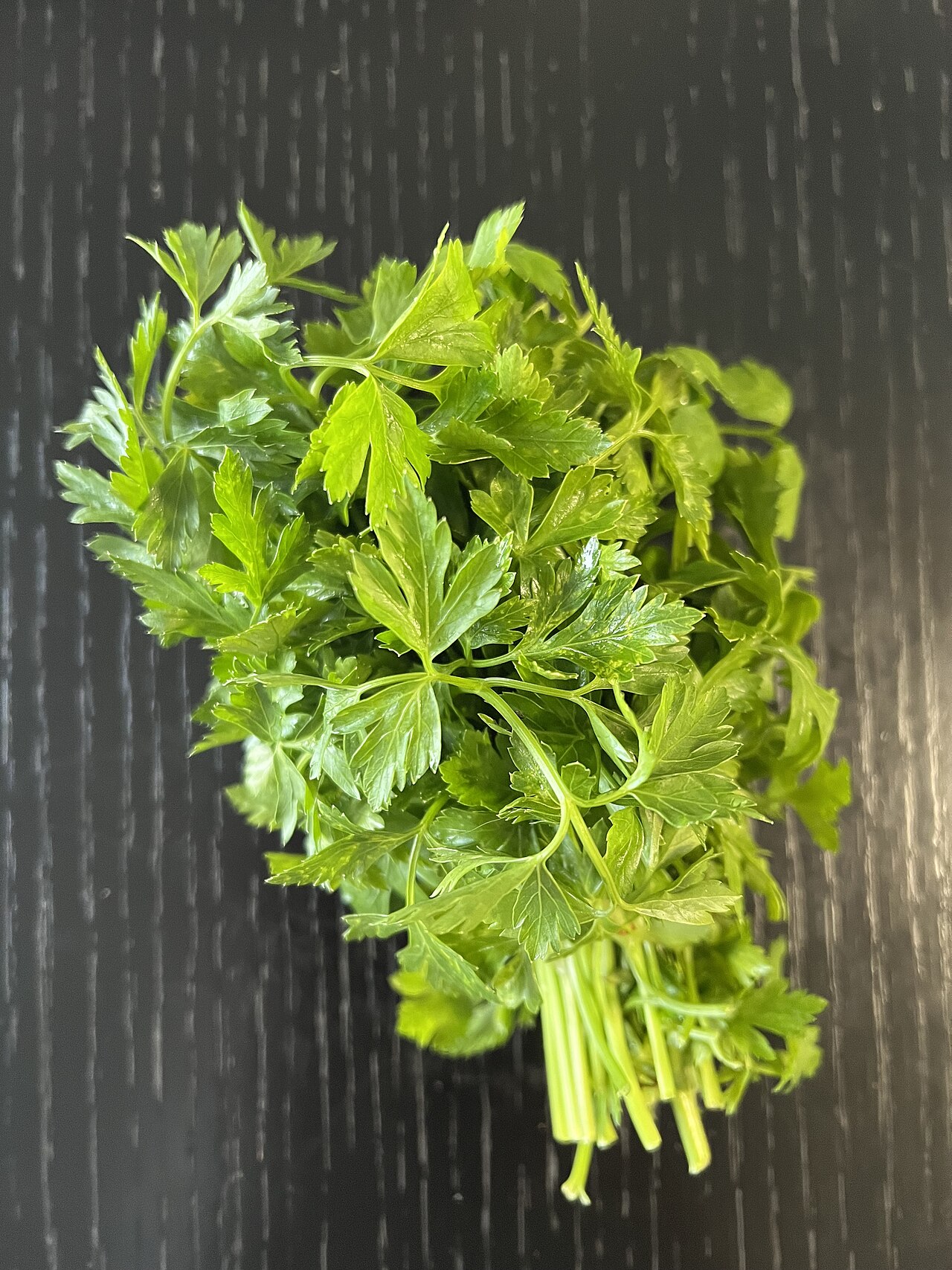
A fresh bunch of flat-leaf parsley

How to Freeze Fresh Herbs (So They Do Not Go to Waste)

Yes, you can freeze fresh herbs, and it is the single thing that stopped me throwing away half a bag of coriander every week. The method depends on the herb. Soft, leafy herbs like basil, parsley, coriander, dill, chives and mint freeze best chopped and locked into ice-cube trays with a little oil or water, or blitzed into a paste. Woody herbs like rosemary, thyme, sage, oregano and bay freeze well left whole on the stem in a bag. Either way you use them straight from frozen, in cooked food rather than as a fresh garnish, because freezing softens them. ...

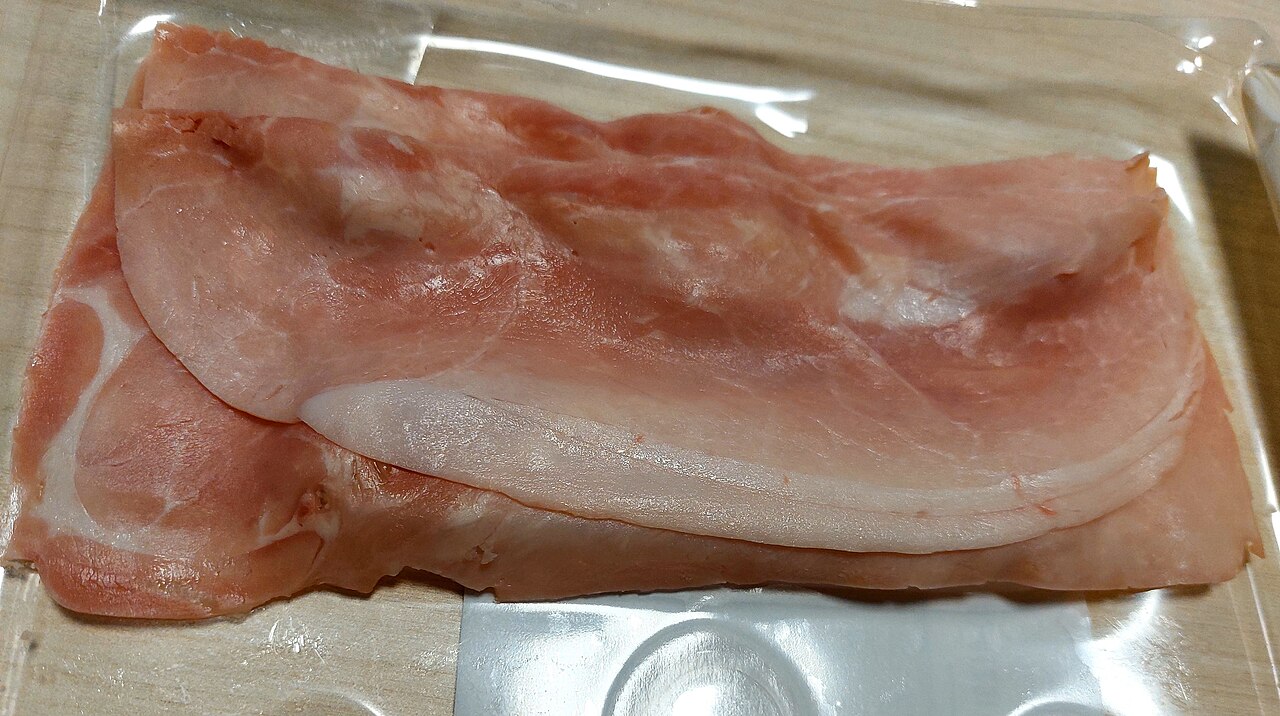
Slices of cooked pink ham fanned out on a board

How Long Does Ham Last in the Fridge?

An opened pack of sliced ham keeps three to five days in the fridge, and never a day past its use-by date, whichever comes first. A ham or gammon joint you have cooked at home is a leftover like any other, so cool it fast and eat it within a couple of days to be safe. An unopened shop pack goes by the use-by date printed on it, nothing more. That is the short version. The longer version matters, because ham is one of those things that sits at the back of the fridge looking fine long after it has stopped being fine, and cold does not fix a meat that has turned. ...

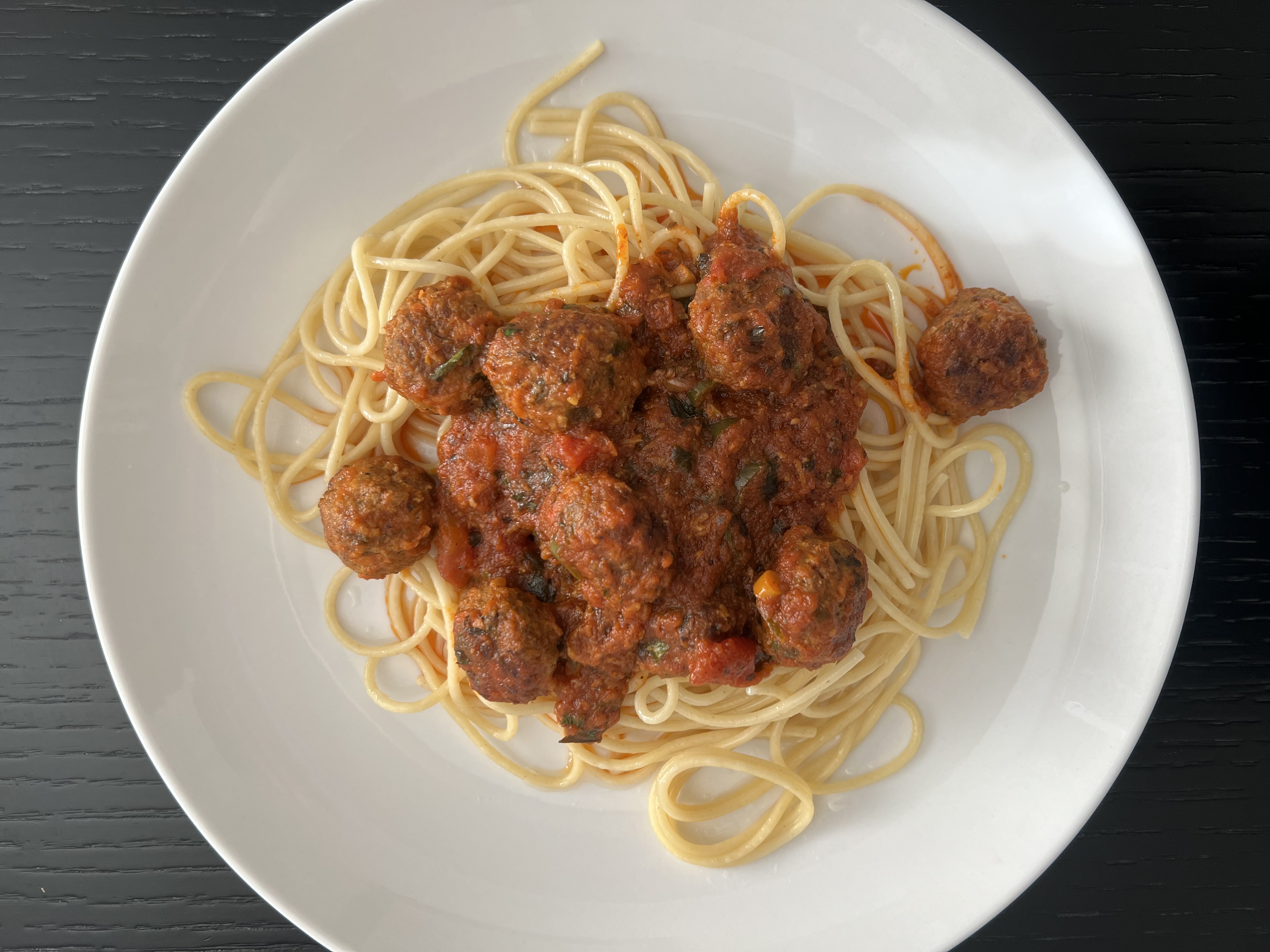
A bowl of cooked spaghetti with sauce and meatballs

Can You Freeze Cooked Pasta? (Yes, Here Is How)

Yes, you can freeze cooked pasta, and it is one of those quiet time-savers I wish I had started doing years ago. Cook a big pan once, freeze it in portions, and a hot bowl of pasta is three minutes away on a night when I have nothing left to give. The results are genuinely good too, better than most people expect, as long as you undercook it a touch and cool it fast. Here is how I do it, and where the pitfalls are. ...

A plate of roast chicken with broccoli

Can You Freeze Cooked Chicken? (And How to Do It Safely)

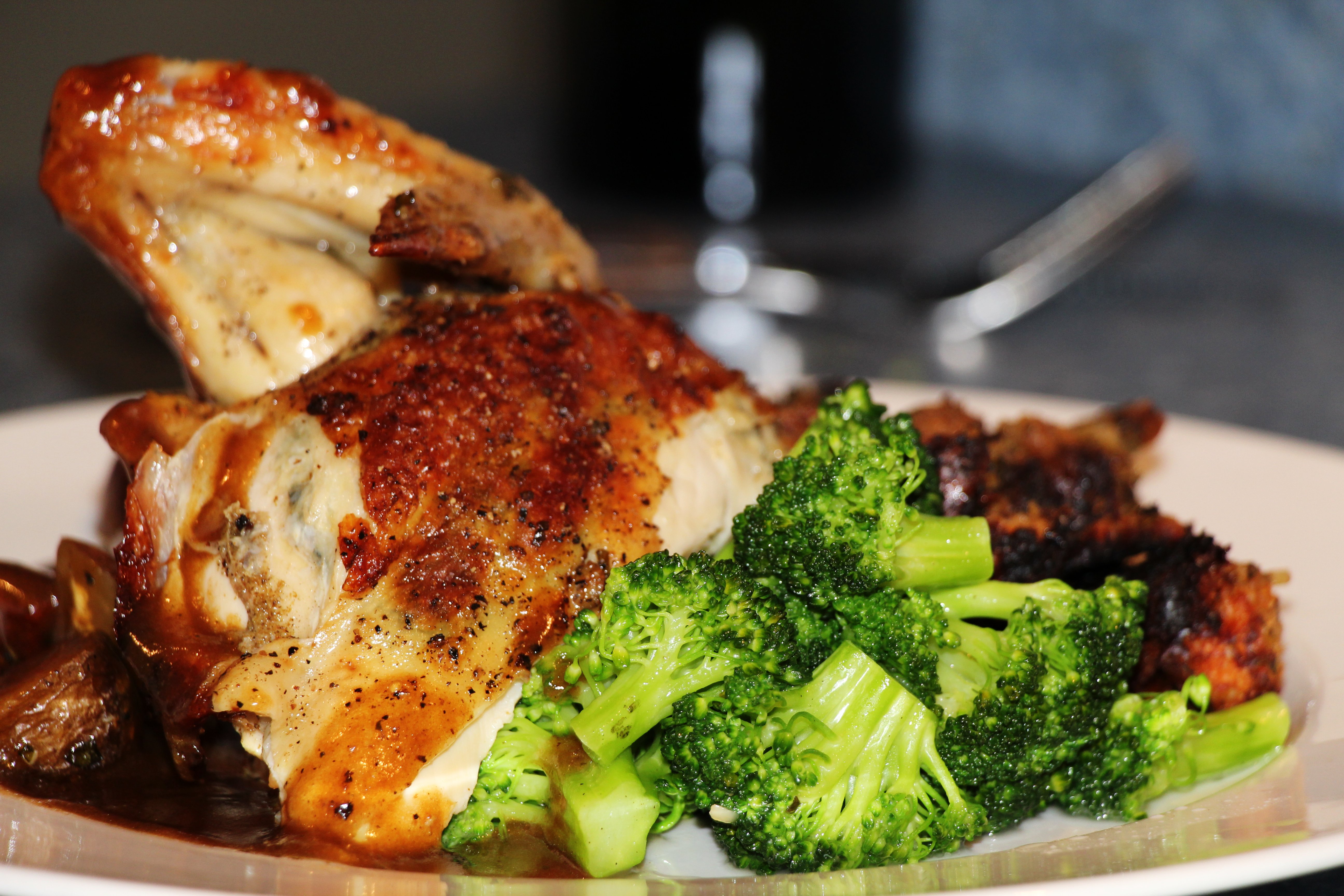
Yes, you can freeze cooked chicken, and in my kitchen it is one of the jobs the freezer does best. A roast on Sunday, the last of a poached breast, the chicken picked off a carcass before I make stock: all of it freezes well and comes back as a quick lunch or the start of a curry. The freezing part is easy. What matters is the hour after cooking and the way you bring it back to life, because the cold preserves chicken, it does not clean it up. ...

A homemade cake, the kind you can bake without eggs

Egg Substitutes for Baking (What Actually Works)

You are halfway through a recipe, you crack the fridge open, and there are no eggs. Or someone at the table cannot eat them and the recipe calls for two. Before you write the bake off, know this: for most cakes, muffins, brownies and biscuits you can swap the eggs out and still get a good result. The catch is that there is no single magic replacement, because an egg is not doing one job in a recipe, it is doing two or three at once. Once you know which job matters in the bake in front of you, picking the right swap is easy. Here is what actually works, measured per egg, and how to choose. ...

Sliced raw onions ready for freezing

Can You Freeze Onions? (Chopped, Sliced and Caramelised)

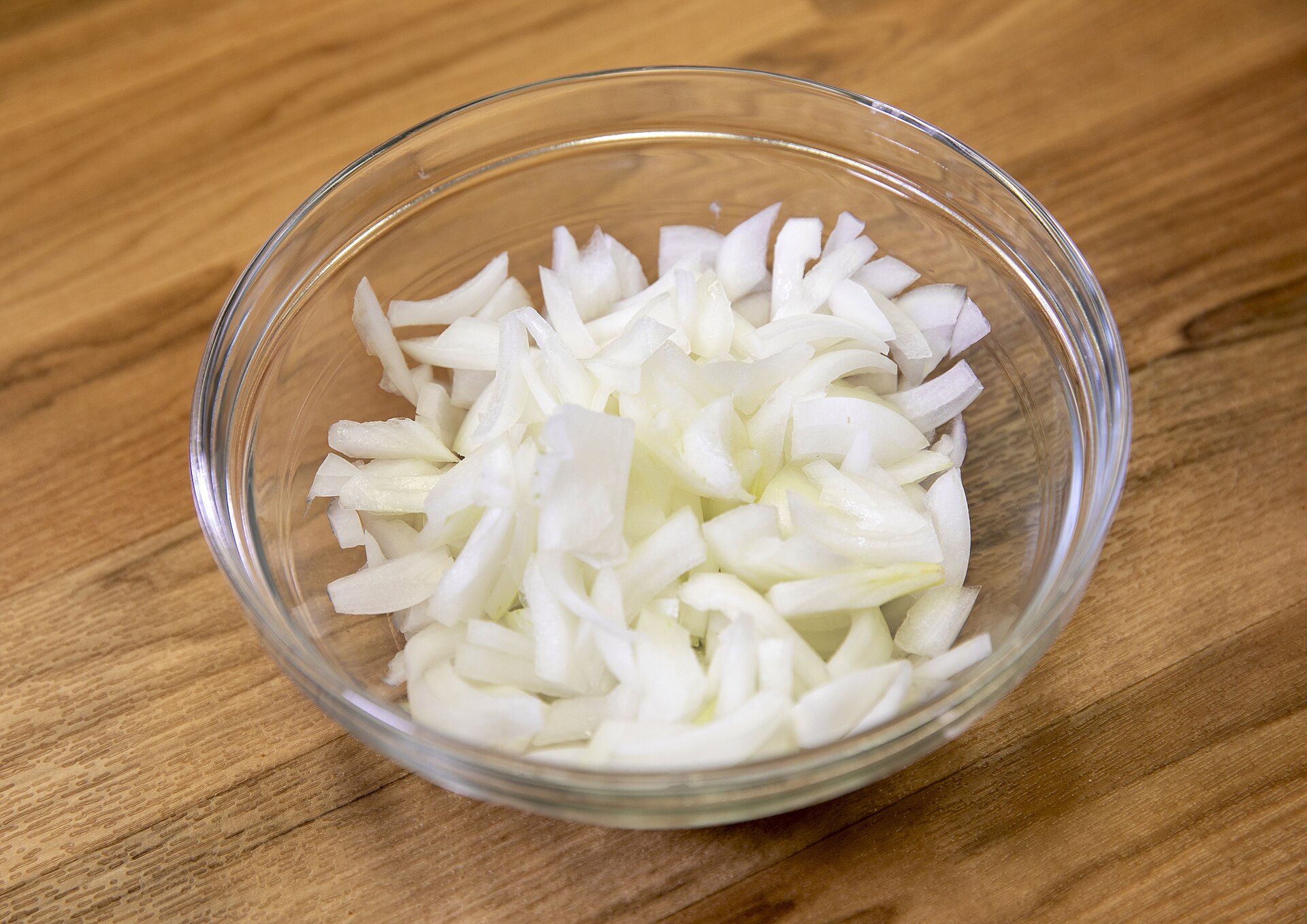
Yes, you can freeze onions, and unlike a lot of vegetables they do not need blanching first. Peel them, chop or slice them, and they go straight into the freezer raw. They keep for months, they cost you almost nothing, and there is no more crying over the chopping board every single time a recipe starts with “first, dice an onion”. The one thing to be clear about from the start: frozen onions come back soft and a bit watery, so they are for cooking, not for a salad or a burger. Get that straight and freezing onions becomes one of the most useful habits in a busy kitchen. ...