Straight answers for a busy kitchen. How long food really keeps, what to use when you have run out, and the conversions that actually matter. Written by Nora Quinn, who cooks for a family and cannot stand wasting food.
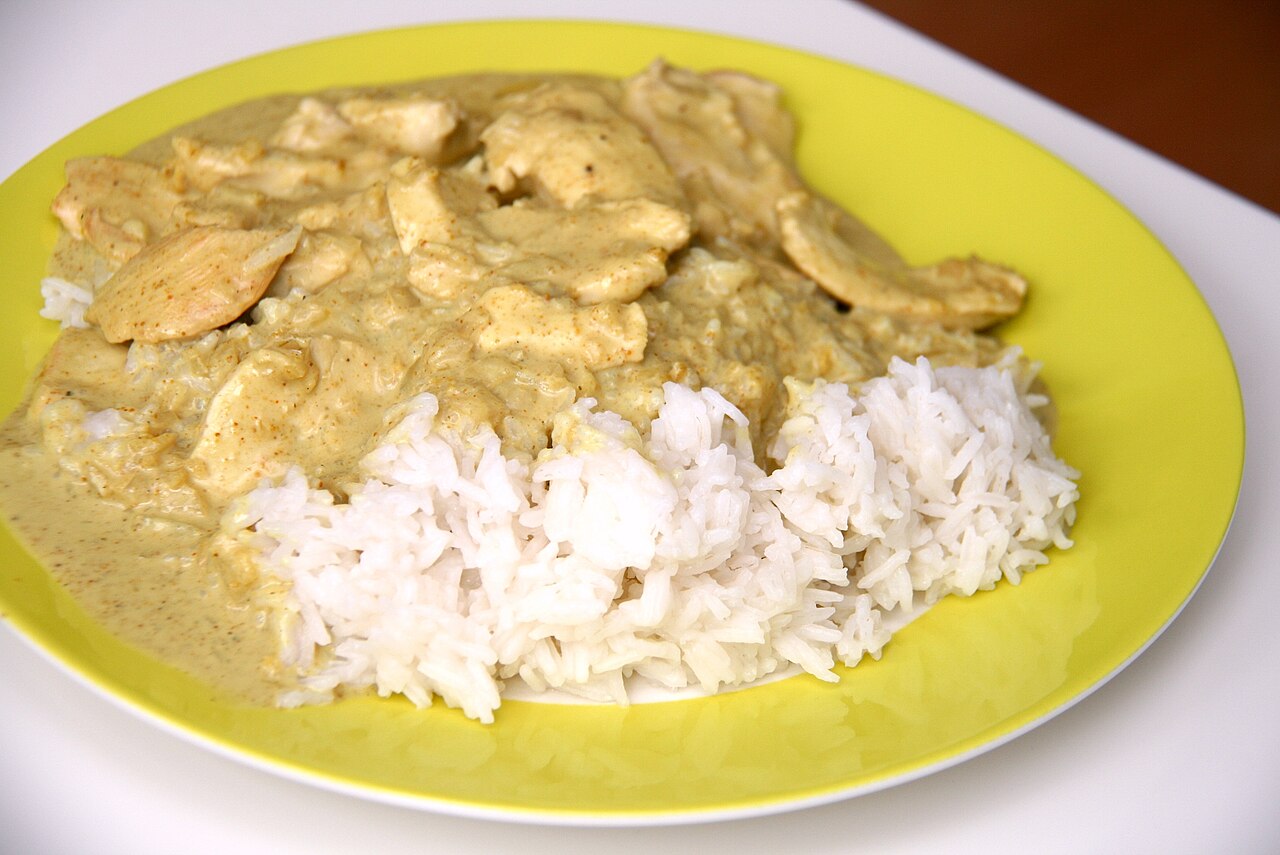
Can You Freeze Curry?
Yes, you can freeze curry, and it is honestly one of the best uses a freezer gets in my house. A big pot of something spiced freezes into a run of easy dinners, and a lot of curries actually taste better a day or two on, once the spices have settled into each other. Most home curries keep about three months in the freezer for good quality. The main things to get right are cooling it fast, freezing it in sensible portions, and reheating it properly, once. There are a couple of ingredients that need a bit of thought, which I will come to. ...
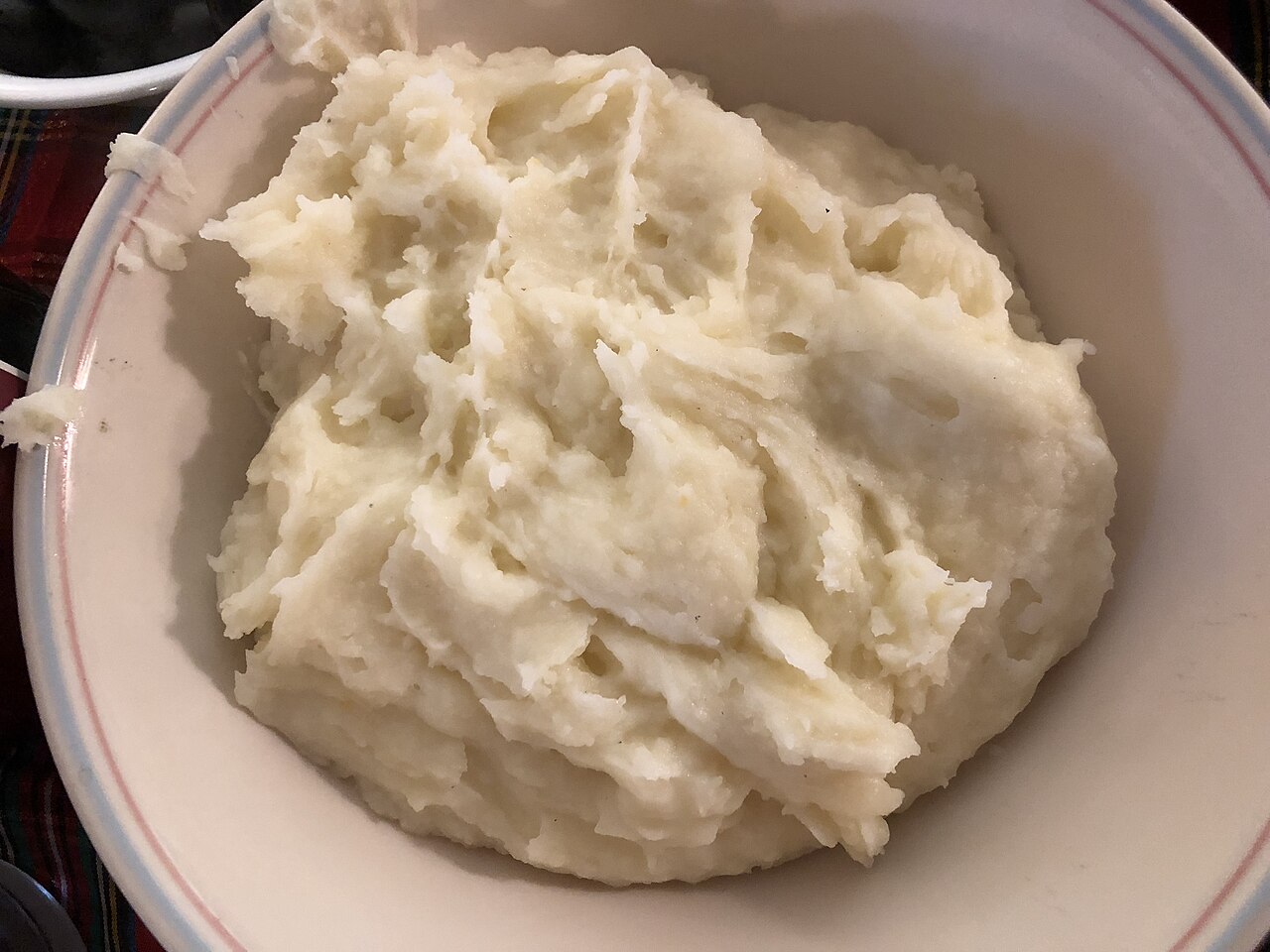
Can You Freeze Mashed Potato?
Yes, you can freeze mashed potato, and it is one of the few potato dishes that comes back from the freezer genuinely well. That surprises people, because plain boiled or roast potatoes turn watery and grainy after freezing. Mash is different, and the reason is simple: it is the butter and cream already whipped through it that protect the texture. So the mash you would not think twice about eating is exactly the mash that freezes best. I make a double batch most times I cook it, precisely so there is a bag in the freezer for a night when I cannot face peeling anything. ...
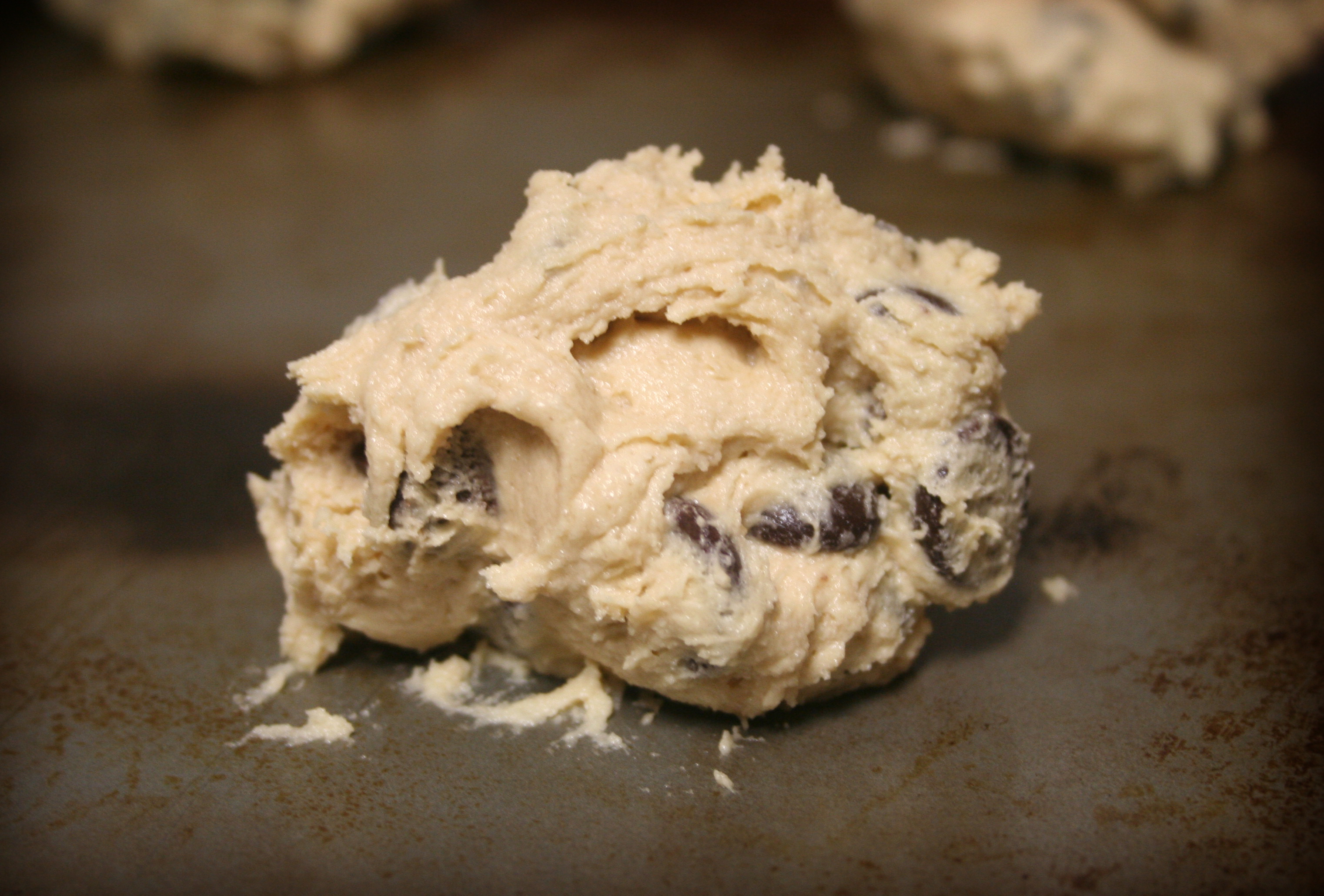
Can You Eat Raw Cookie Dough?
The straight answer is no, you should not eat ordinary raw cookie dough, the kind you make to bake. I know that is not what anyone licking the spoon wants to hear, and I will be honest that I have swiped raw dough plenty of times in my life without incident. But “I got away with it” is not the same as “it is safe,” and there are two separate reasons the dough in your bowl carries a genuine risk. Most people only know about one of them. ...
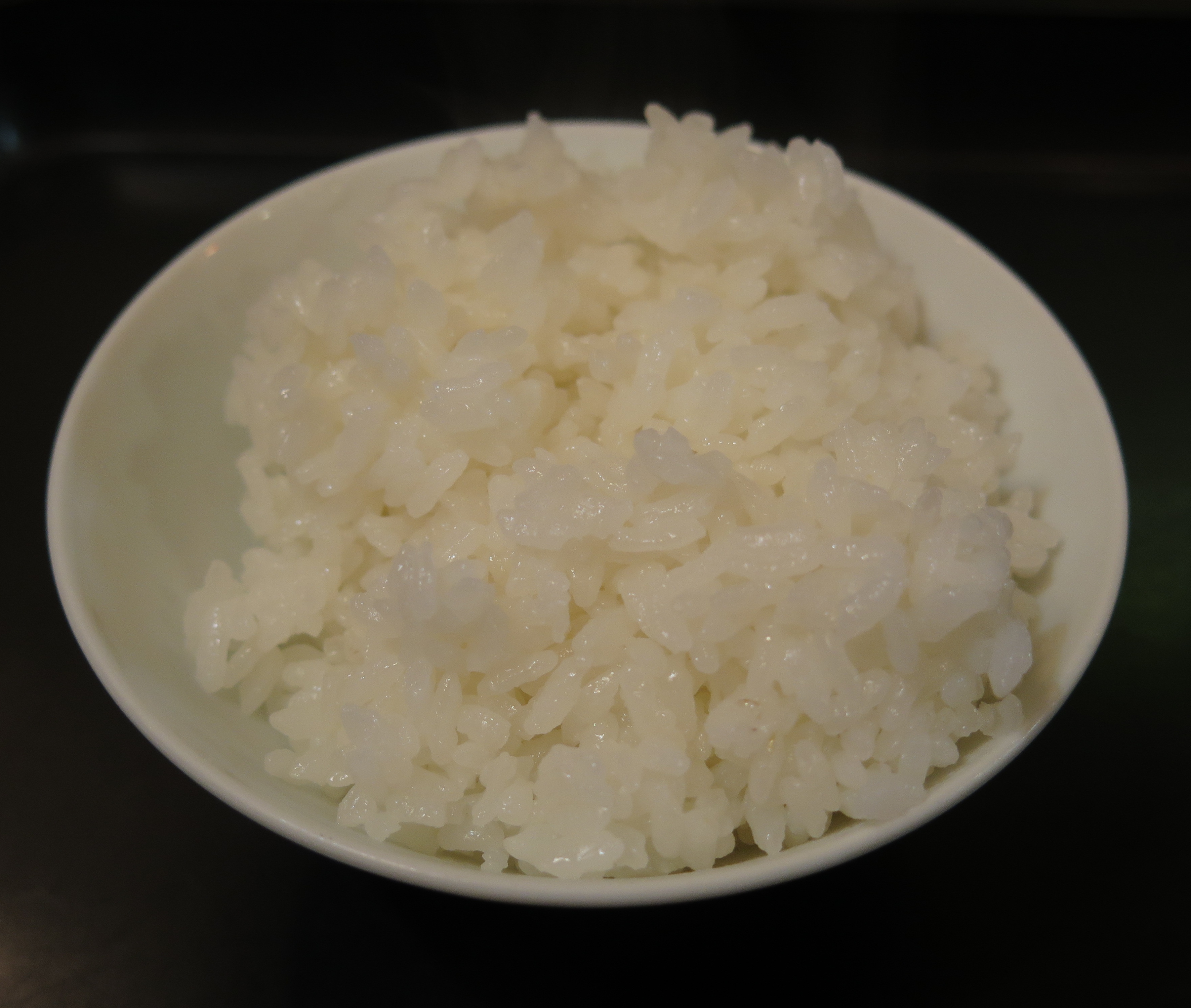
Can You Reheat Rice? What the Fried Rice Warning Really Means
Yes, you can reheat rice, and I do it most weeks. The rule that matters is this: reheat it once, make sure it is steaming hot all the way through, and only reheat rice you cooled quickly and kept properly chilled. The scary headlines about “fried rice syndrome” are not really about the reheating at all. They are about what happens to rice while it sits around warm before it ever reaches the microwave. Get the cooling right and reheating is the easy part. ...
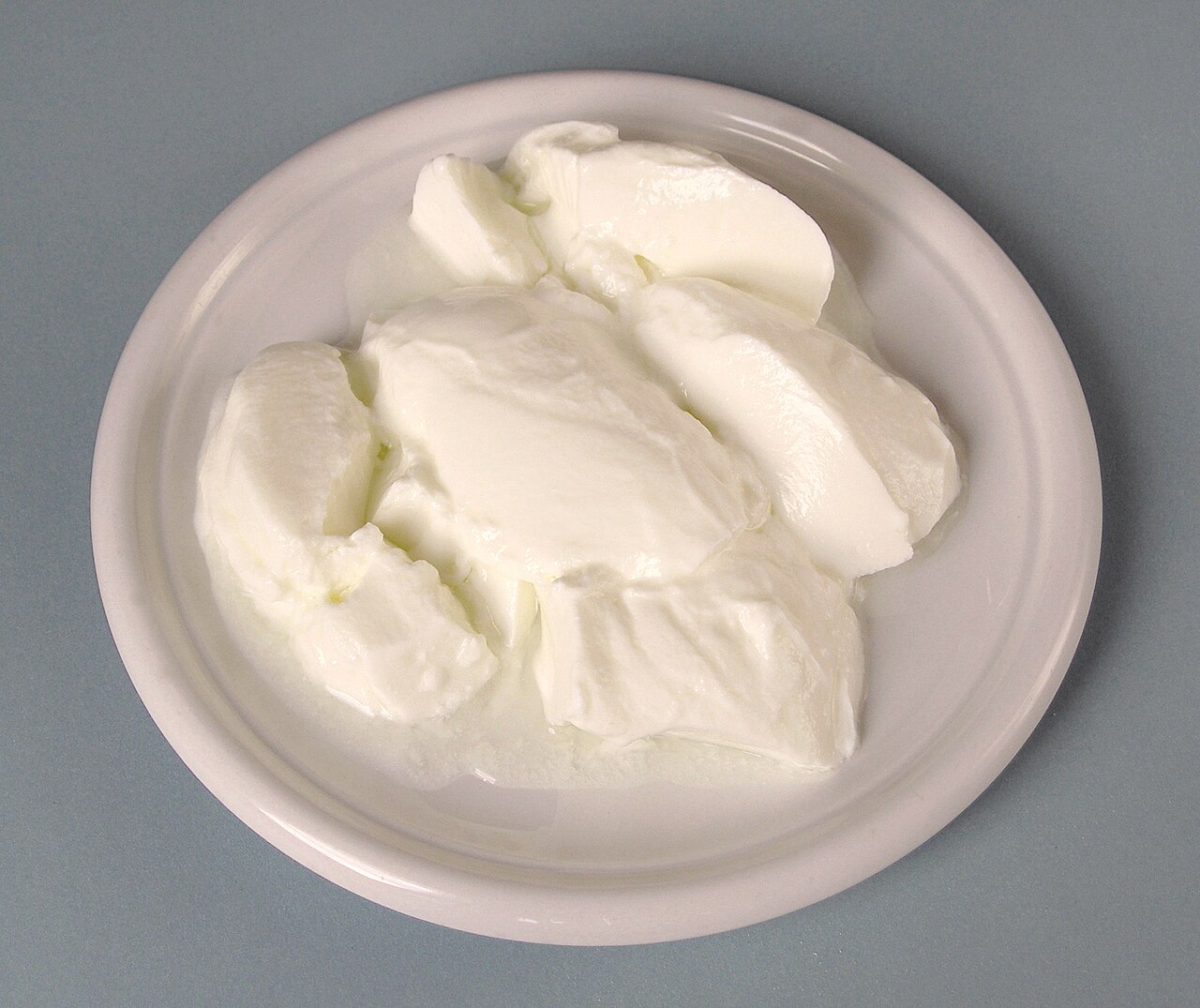
How Long Does Yoghurt Last, Opened and Unopened?
Once you have opened a pot of yoghurt, use it within about five to seven days if it is kept properly chilled. Greek yoghurt and thick set yoghurts often stretch a little longer, closer to a week or two, because they are denser and more acidic. Unopened in a cold fridge, yoghurt frequently lasts well beyond the date on the lid, but only if that date is a best-before and not a use-by. The difference between those two words decides everything, so let me start there. ...
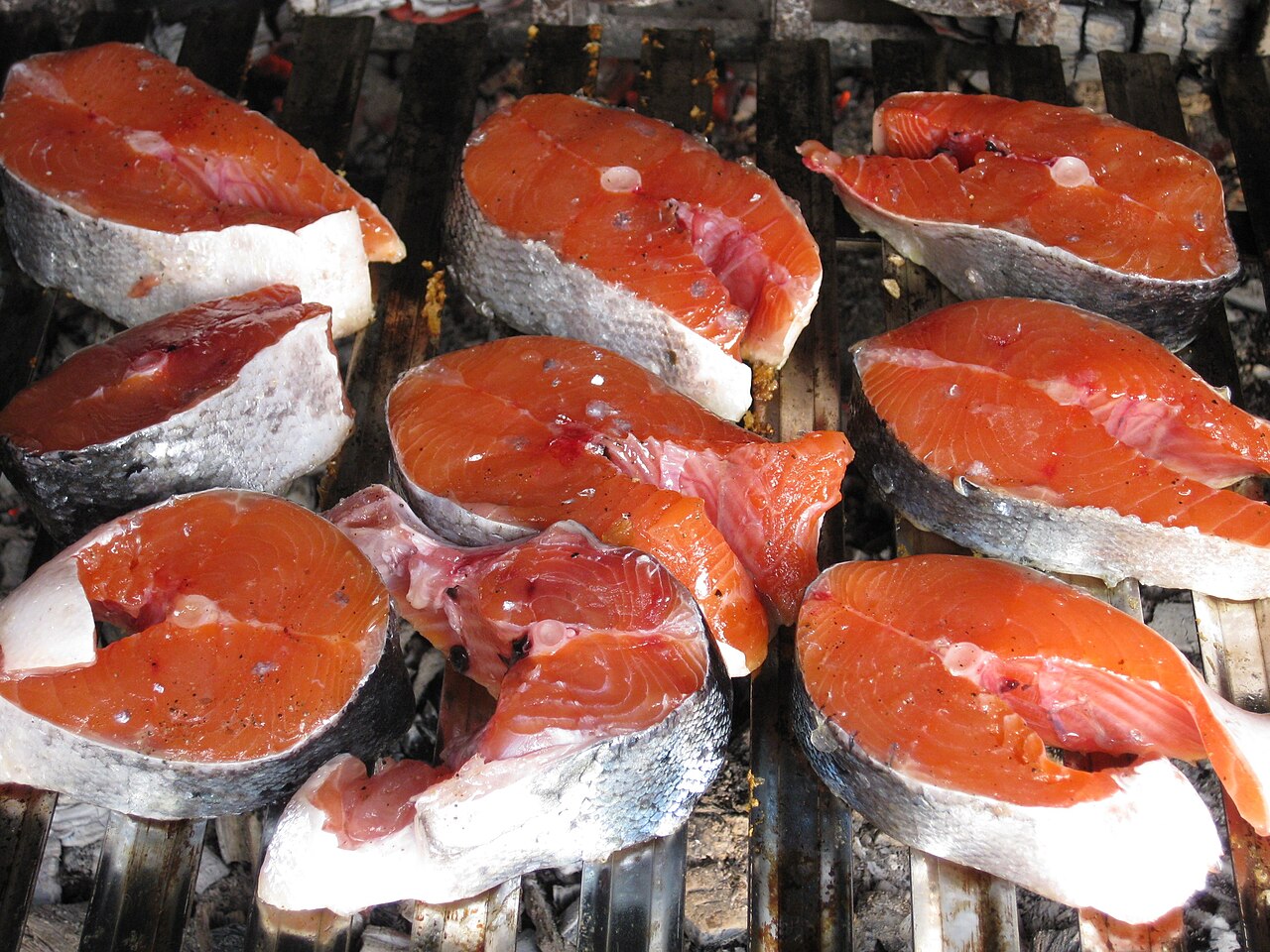
Can You Freeze Fish? (Raw, Cooked and How to Thaw It)
Yes, you can freeze fish, and most of it comes back beautifully. Raw fish freezes well for three to eight months depending on the type, cooked fish for about three months, and the whole thing hinges on two habits: wrap it airtight, and freeze it while it is still genuinely fresh, not on the day it was going off anyway. Freezing pauses the clock; it does not wind it back. ...
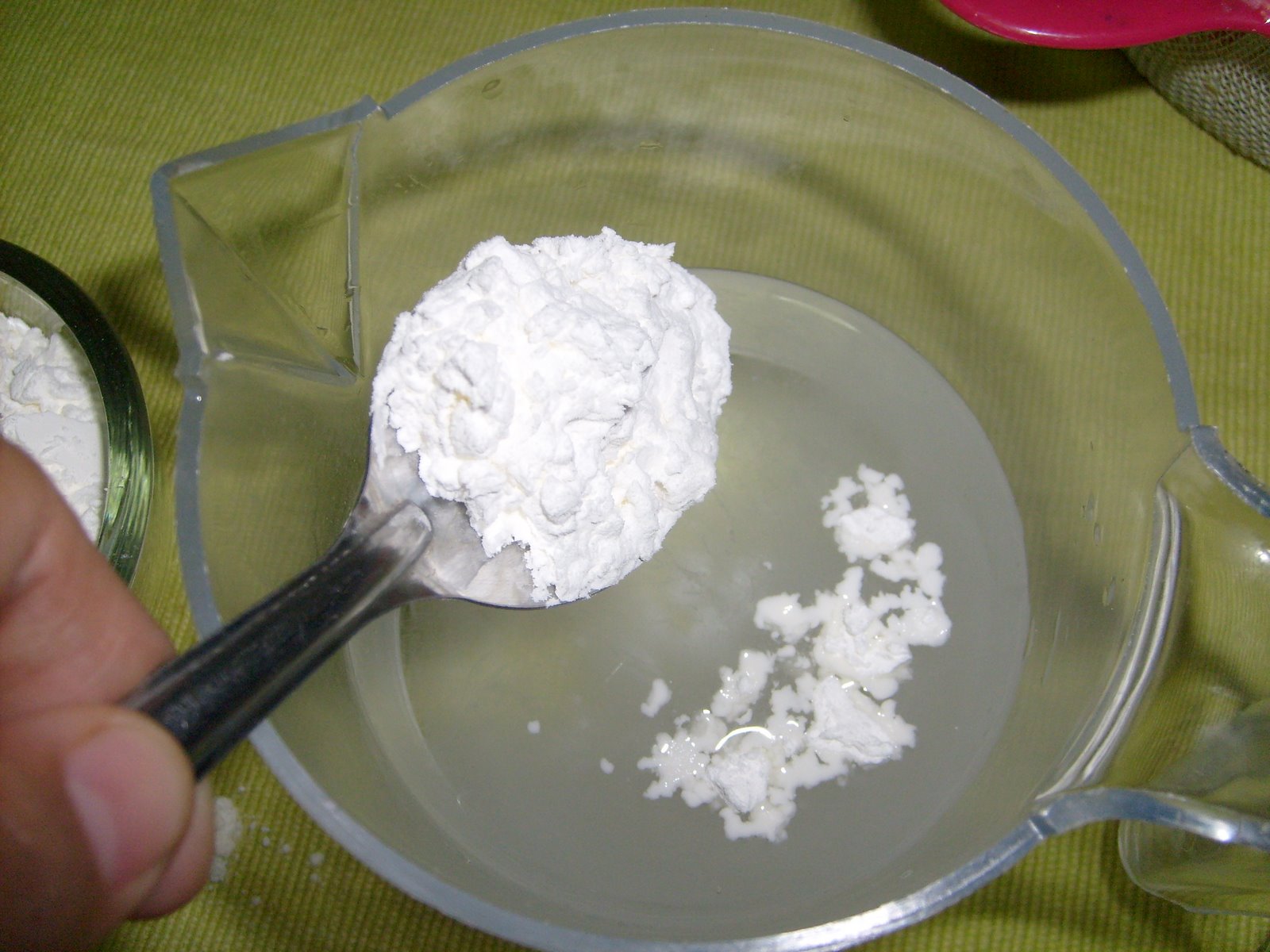
Cornflour vs Cornstarch (What They Are and How to Thicken With Them)
Cornflour and cornstarch are the same ingredient. In Britain we call it cornflour; Americans call it cornstarch; it is a fine, bright white powder of pure starch milled from the heart of the maize kernel, and its whole job is to thicken. If a recipe from the United States asks for cornstarch, reach for your tub of cornflour and use exactly the same amount. There is no conversion to do. ...
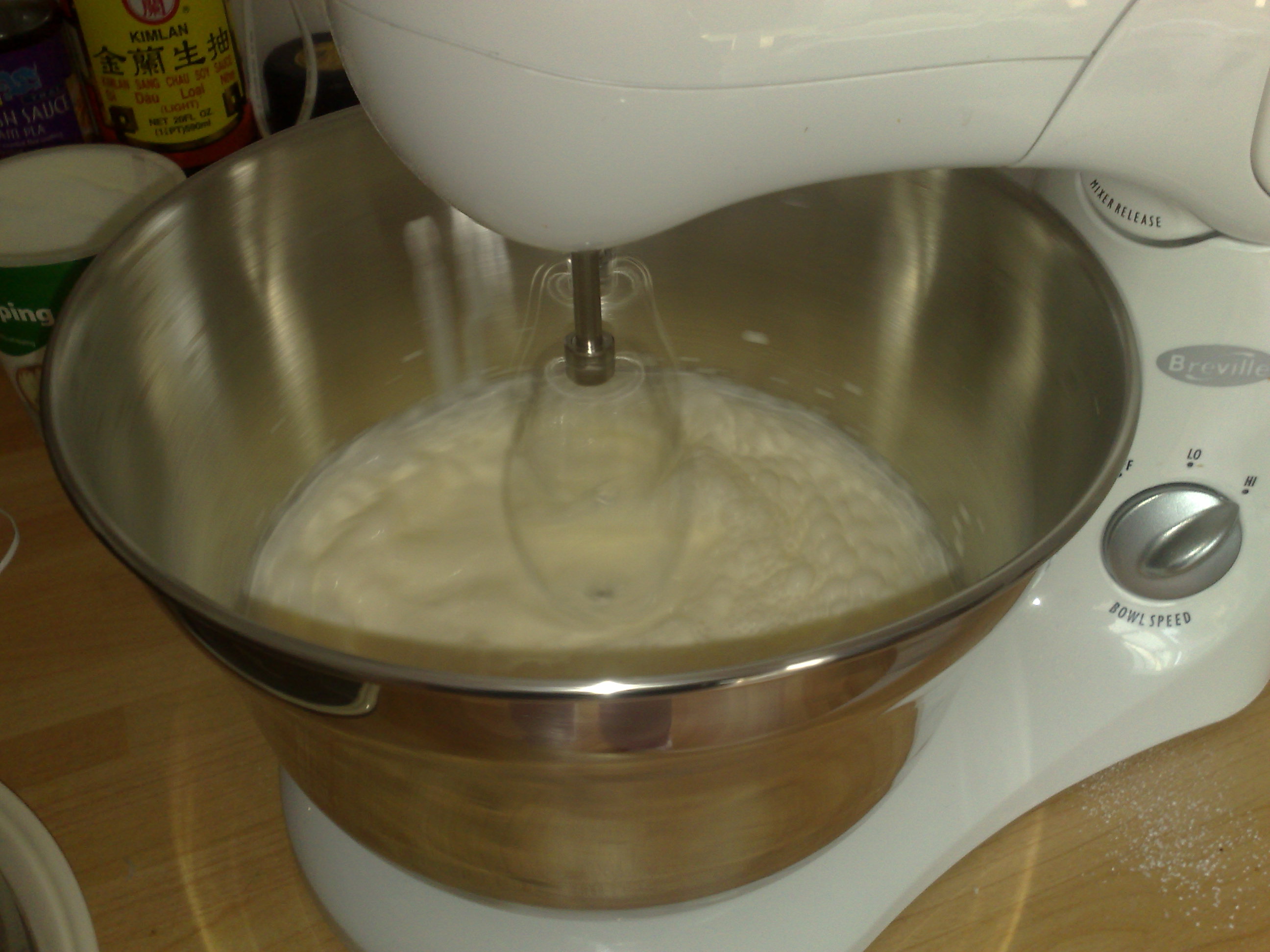
Double Cream vs Single Cream (and What to Use When)
Here is the short answer: single cream and double cream are the same stuff at different strengths, and the strength is fat. Single cream is about 18% fat, double cream about 48%, and whipping cream sits between them at roughly 35%. That single figure decides everything that matters in a kitchen: whether the cream whips, whether it splits when it hits a hot pan, and whether it is meant for pouring or for holding its shape on top of a pudding. Once you know the fat, you know what the cream will do. ...
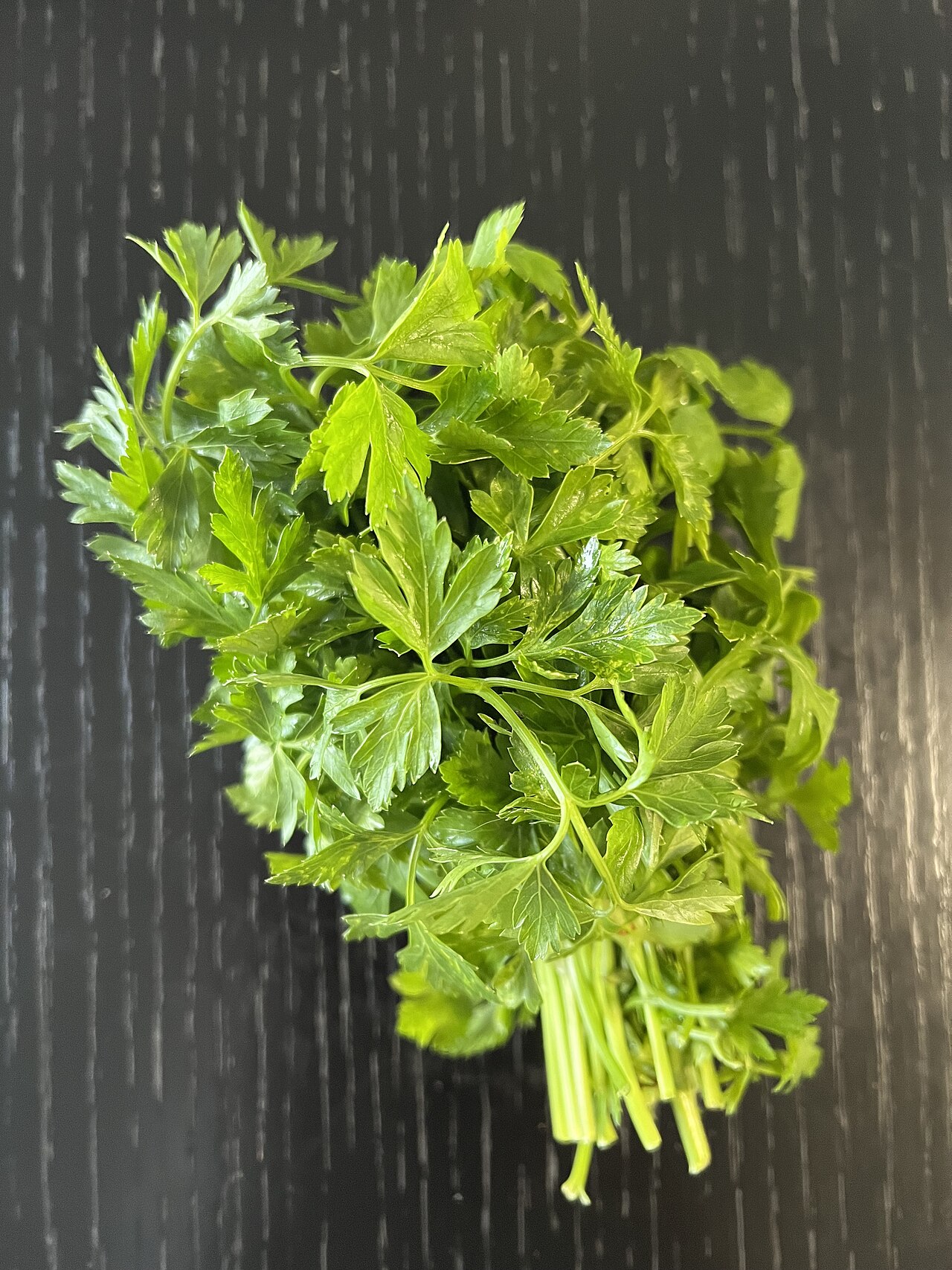
How to Freeze Fresh Herbs (So They Do Not Go to Waste)
Yes, you can freeze fresh herbs, and it is the single thing that stopped me throwing away half a bag of coriander every week. The method depends on the herb. Soft, leafy herbs like basil, parsley, coriander, dill, chives and mint freeze best chopped and locked into ice-cube trays with a little oil or water, or blitzed into a paste. Woody herbs like rosemary, thyme, sage, oregano and bay freeze well left whole on the stem in a bag. Either way you use them straight from frozen, in cooked food rather than as a fresh garnish, because freezing softens them. ...
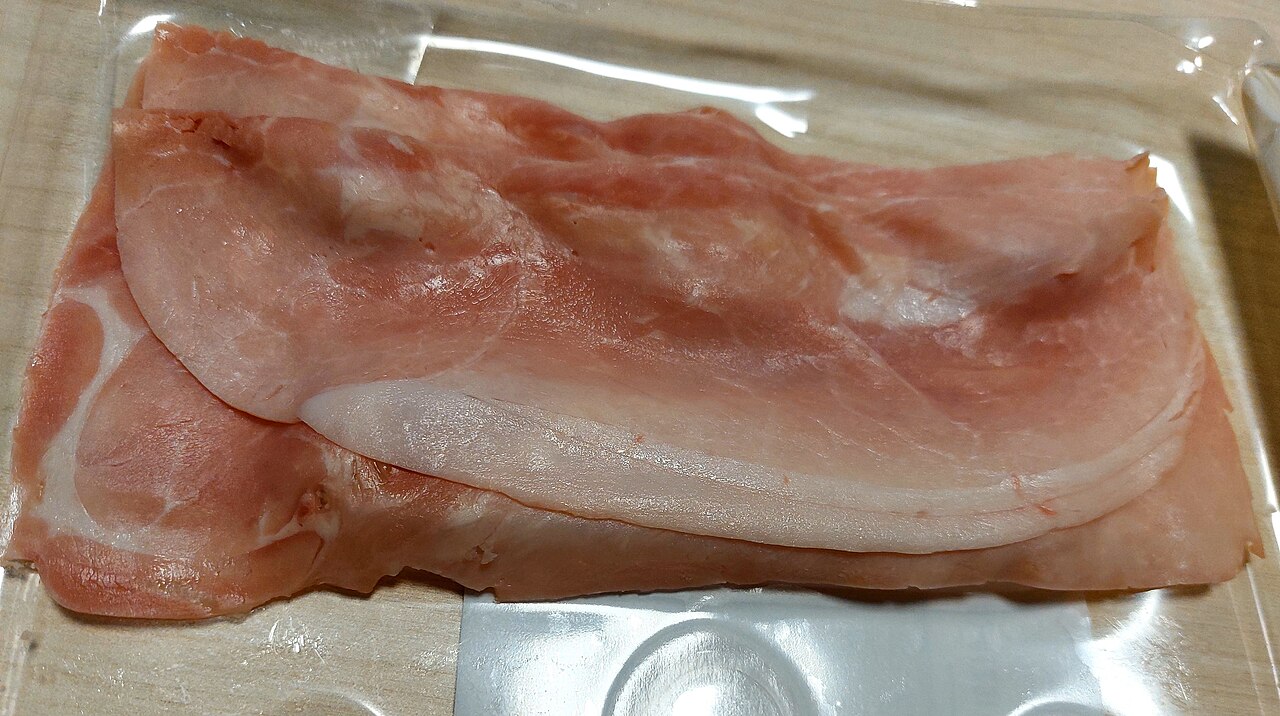
How Long Does Ham Last in the Fridge?
An opened pack of sliced ham keeps three to five days in the fridge, and never a day past its use-by date, whichever comes first. A ham or gammon joint you have cooked at home is a leftover like any other, so cool it fast and eat it within a couple of days to be safe. An unopened shop pack goes by the use-by date printed on it, nothing more. That is the short version. The longer version matters, because ham is one of those things that sits at the back of the fridge looking fine long after it has stopped being fine, and cold does not fix a meat that has turned. ...