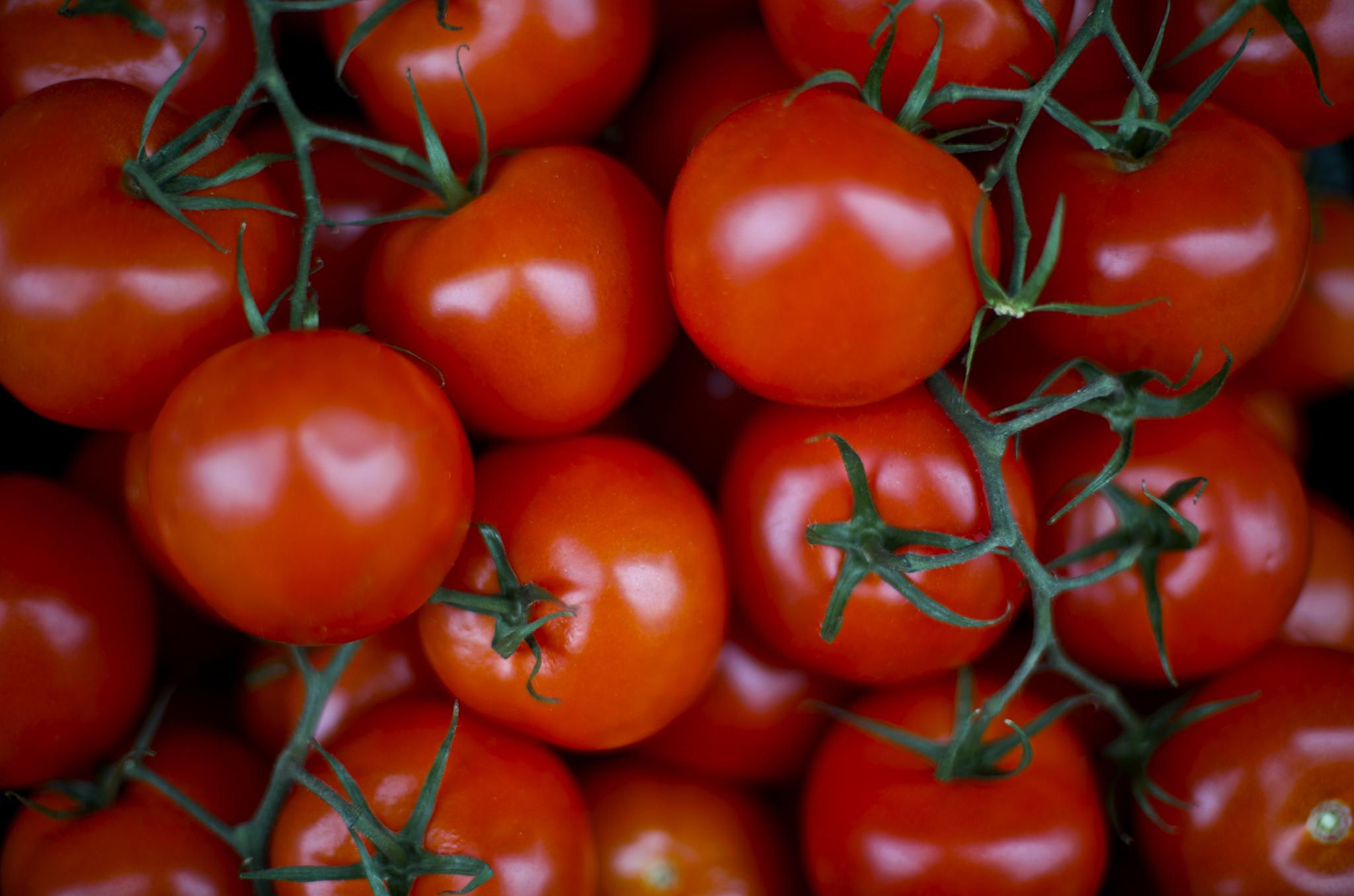
Ripe red vine tomatoes

Can You Freeze Tomatoes?

Yes, you can freeze tomatoes, and it is one of the least fussy things you can put in the freezer. The simplest method by a mile is to freeze them whole and raw with the skins still on. No blanching, no peeling, no faff. They keep their best quality for around six months and stay safe far longer than that. The one thing to know before you start is that frozen tomatoes come back soft, so they are for cooking, not for slicing into a salad. Once you have made peace with that, a glut of end-of-summer tomatoes turns into a winter’s worth of sauces and soups instead of a sad, wrinkled bowl on the windowsill. ...
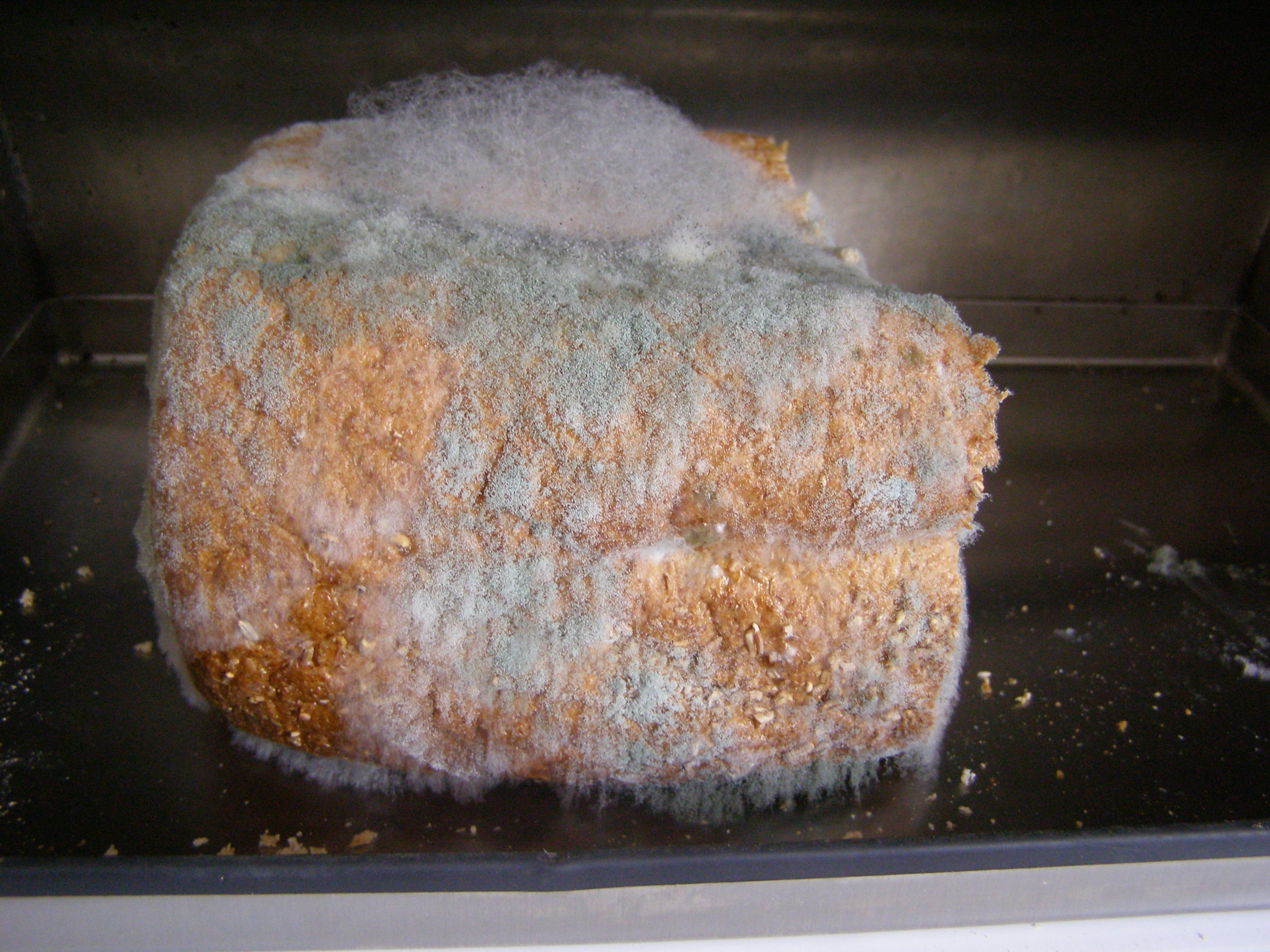
A slice of bread showing patches of green and white mould

Can You Eat Mouldy Food? What to Bin and What to Save

Mostly no, and the honest short version is this: if the food is soft or porous, one spot of mould means the whole thing goes in the bin, because what you can see on top has almost certainly spread through the bits you cannot. That covers bread, soft cheese, jam, yoghurt, cooked leftovers and soft fruit. The exceptions are firm, dense foods, a hard block of cheese, a whole carrot, a cabbage, a dry-cured ham, where the mould stays near the surface and you can cut it away with room to spare. So the useful question is not “is mould bad”, it is “what am I looking at”, and the answer changes completely depending on the food. Here is how I sort it in my own kitchen. ...

A jug of rich onion gravy

Can You Freeze Gravy?

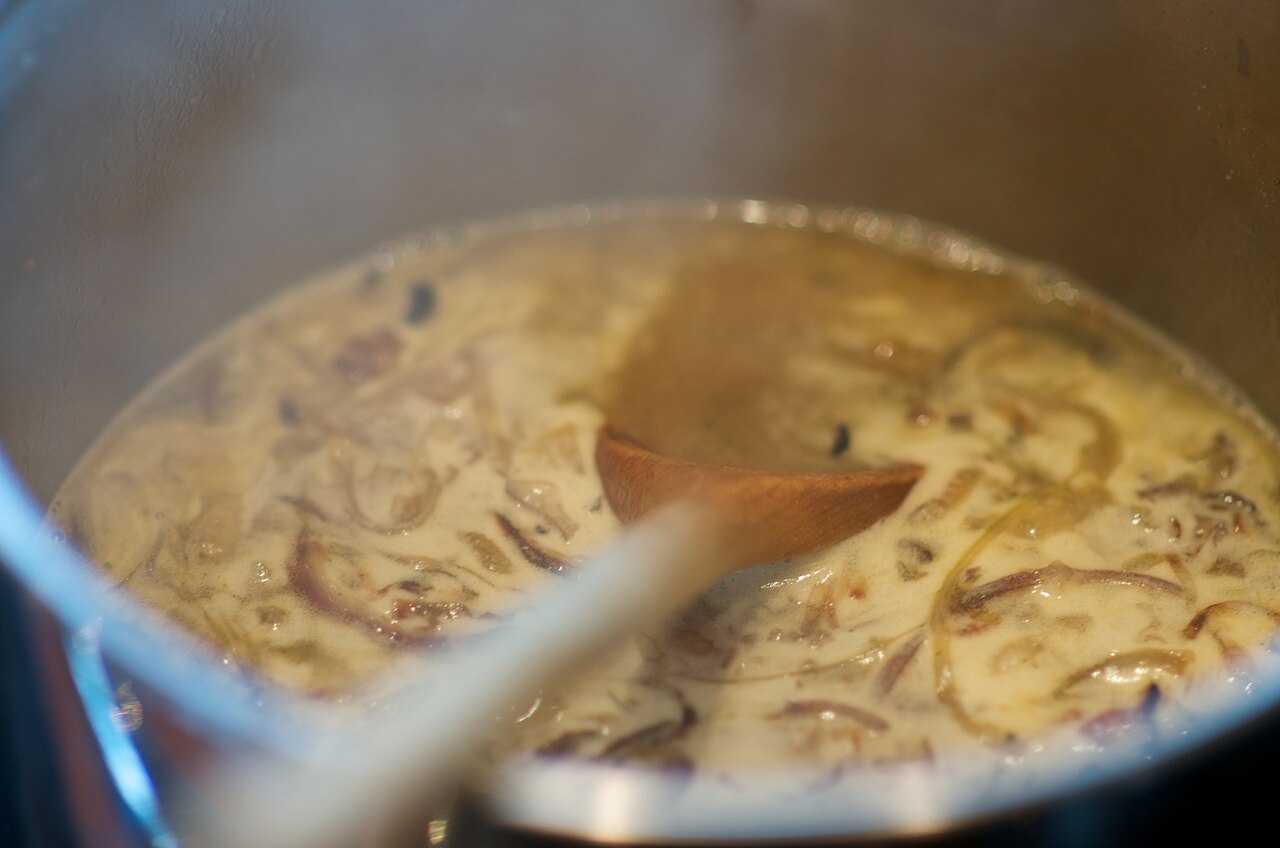
Yes, you can freeze gravy, and I almost never pour leftover gravy down the sink any more. Meat gravies, onion gravy and stock-based gravies all freeze well and keep their quality for about three to four months. The one quirk to know about is that thickened gravy often looks split or grainy when it thaws, which puts people off needlessly, because it comes back together with a whisk and a bit of gentle heat. Get the freezing and the reheating right and a jug of Sunday gravy becomes the thing that rescues a dull midweek plate. ...

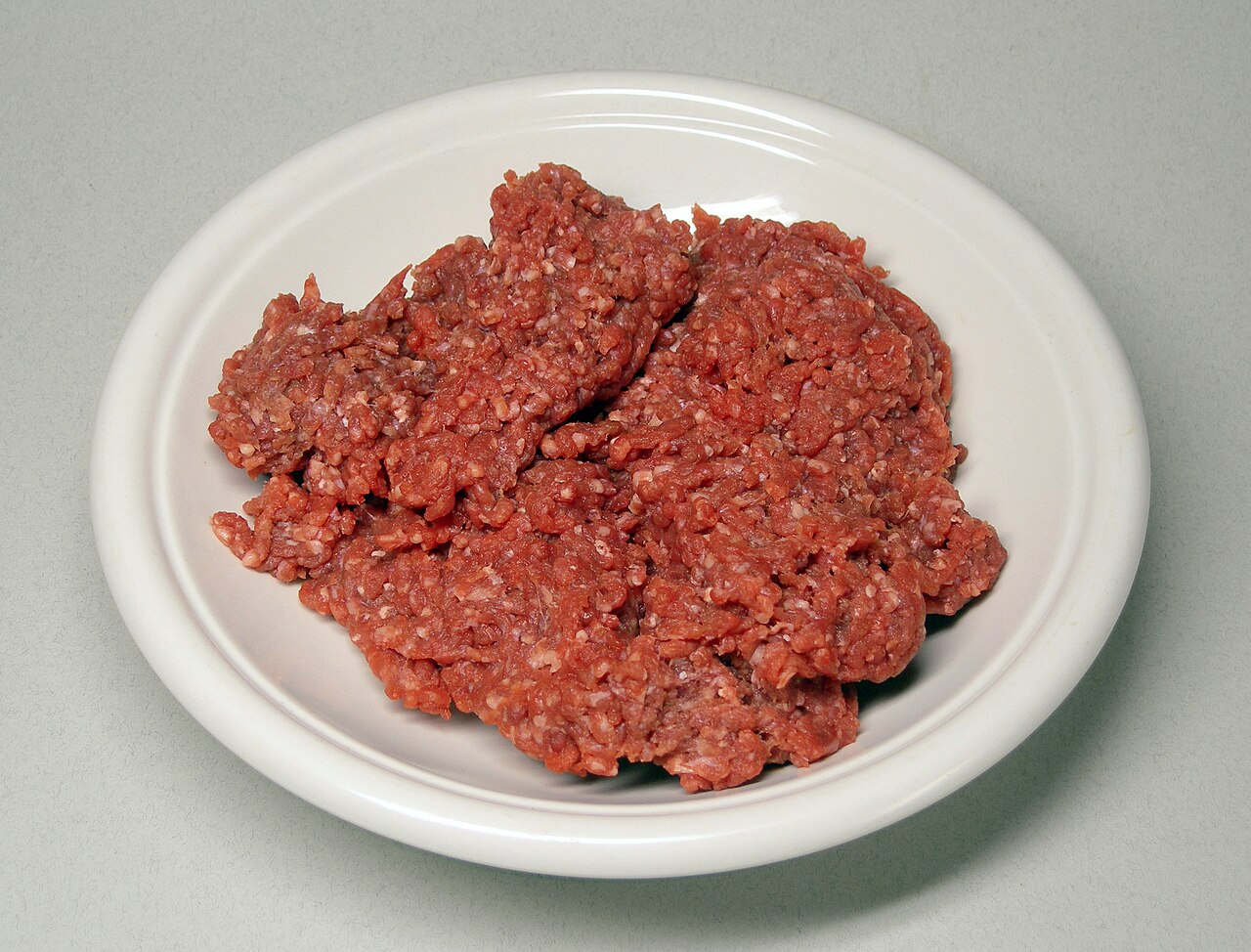
Fresh raw minced beef on a board

Can You Freeze Mince?

Yes, you can freeze mince, and it is one of the things I almost always have a stash of. Beef, lamb, pork, chicken or turkey mince all freeze well, whether it is still raw or already cooked into something. Raw mince keeps its best quality for about three to four months in the freezer, and cooked mince dishes a bit less. The three things that actually matter are freezing it while it is still fresh, portioning it so it is easy to use, and thawing and cooking it properly at the other end. Get those right and a value pack of mince turns into a run of easy dinners rather than a guilty grey lump at the back of the drawer. ...

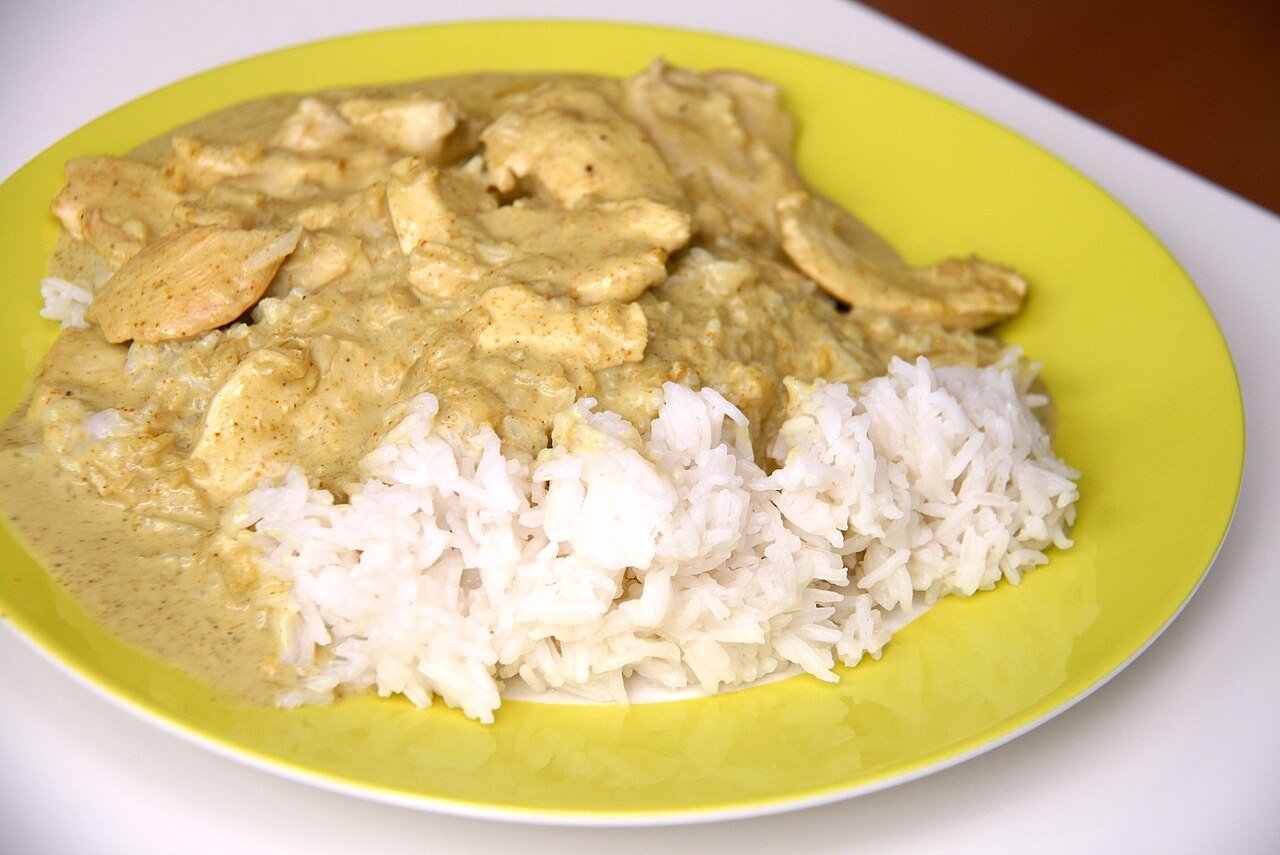
A bowl of chicken curry

Can You Freeze Curry?

Yes, you can freeze curry, and it is honestly one of the best uses a freezer gets in my house. A big pot of something spiced freezes into a run of easy dinners, and a lot of curries actually taste better a day or two on, once the spices have settled into each other. Most home curries keep about three months in the freezer for good quality. The main things to get right are cooling it fast, freezing it in sensible portions, and reheating it properly, once. There are a couple of ingredients that need a bit of thought, which I will come to. ...

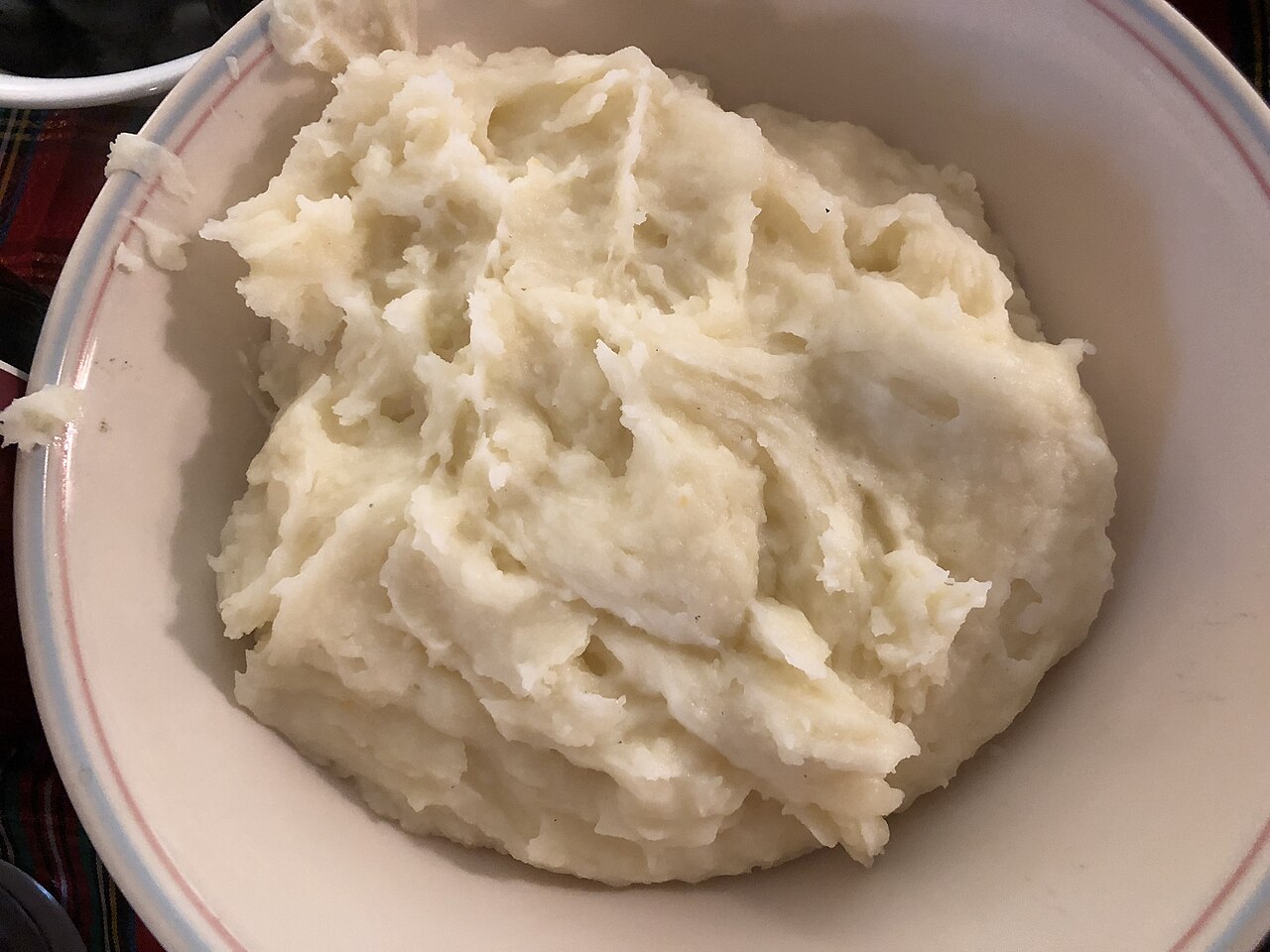
A bowl of creamy mashed potato

Can You Freeze Mashed Potato?

Yes, you can freeze mashed potato, and it is one of the few potato dishes that comes back from the freezer genuinely well. That surprises people, because plain boiled or roast potatoes turn watery and grainy after freezing. Mash is different, and the reason is simple: it is the butter and cream already whipped through it that protect the texture. So the mash you would not think twice about eating is exactly the mash that freezes best. I make a double batch most times I cook it, precisely so there is a bag in the freezer for a night when I cannot face peeling anything. ...

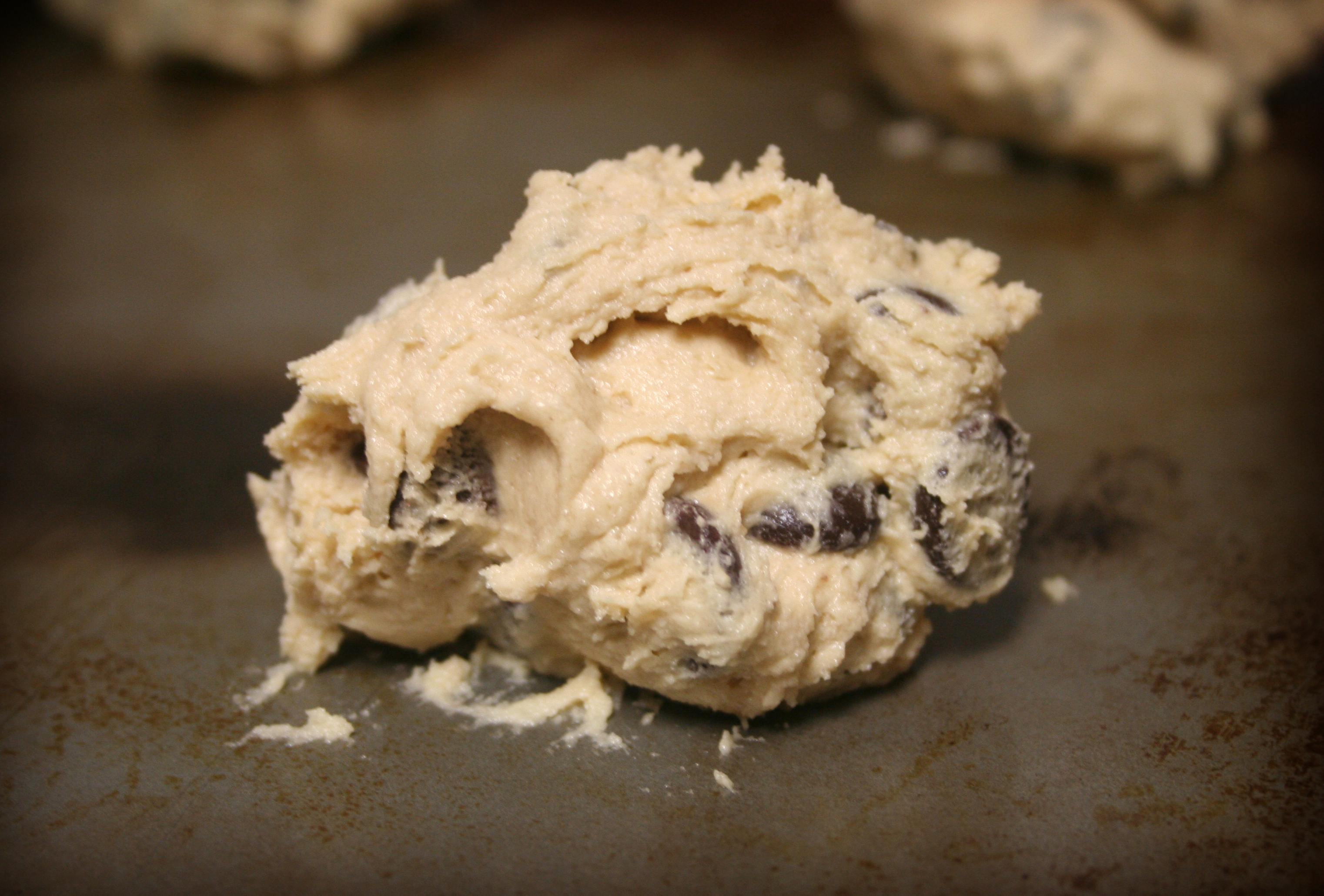
Raw chocolate chip cookie dough in a bowl before baking

Can You Eat Raw Cookie Dough?

The straight answer is no, you should not eat ordinary raw cookie dough, the kind you make to bake. I know that is not what anyone licking the spoon wants to hear, and I will be honest that I have swiped raw dough plenty of times in my life without incident. But “I got away with it” is not the same as “it is safe,” and there are two separate reasons the dough in your bowl carries a genuine risk. Most people only know about one of them. ...

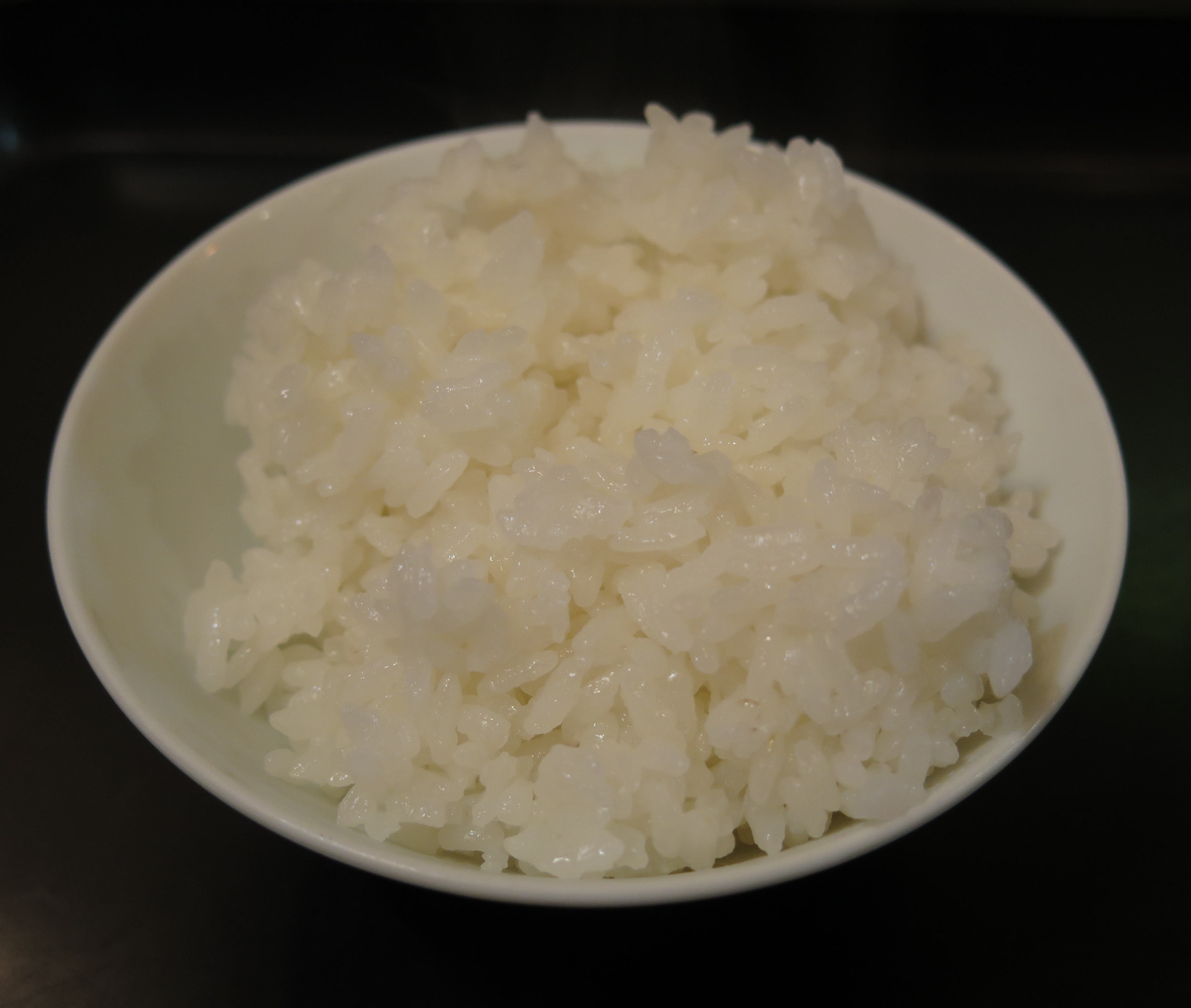
A bowl of cooked white rice

Can You Reheat Rice? What the Fried Rice Warning Really Means

Yes, you can reheat rice, and I do it most weeks. The rule that matters is this: reheat it once, make sure it is steaming hot all the way through, and only reheat rice you cooled quickly and kept properly chilled. The scary headlines about “fried rice syndrome” are not really about the reheating at all. They are about what happens to rice while it sits around warm before it ever reaches the microwave. Get the cooling right and reheating is the easy part. ...

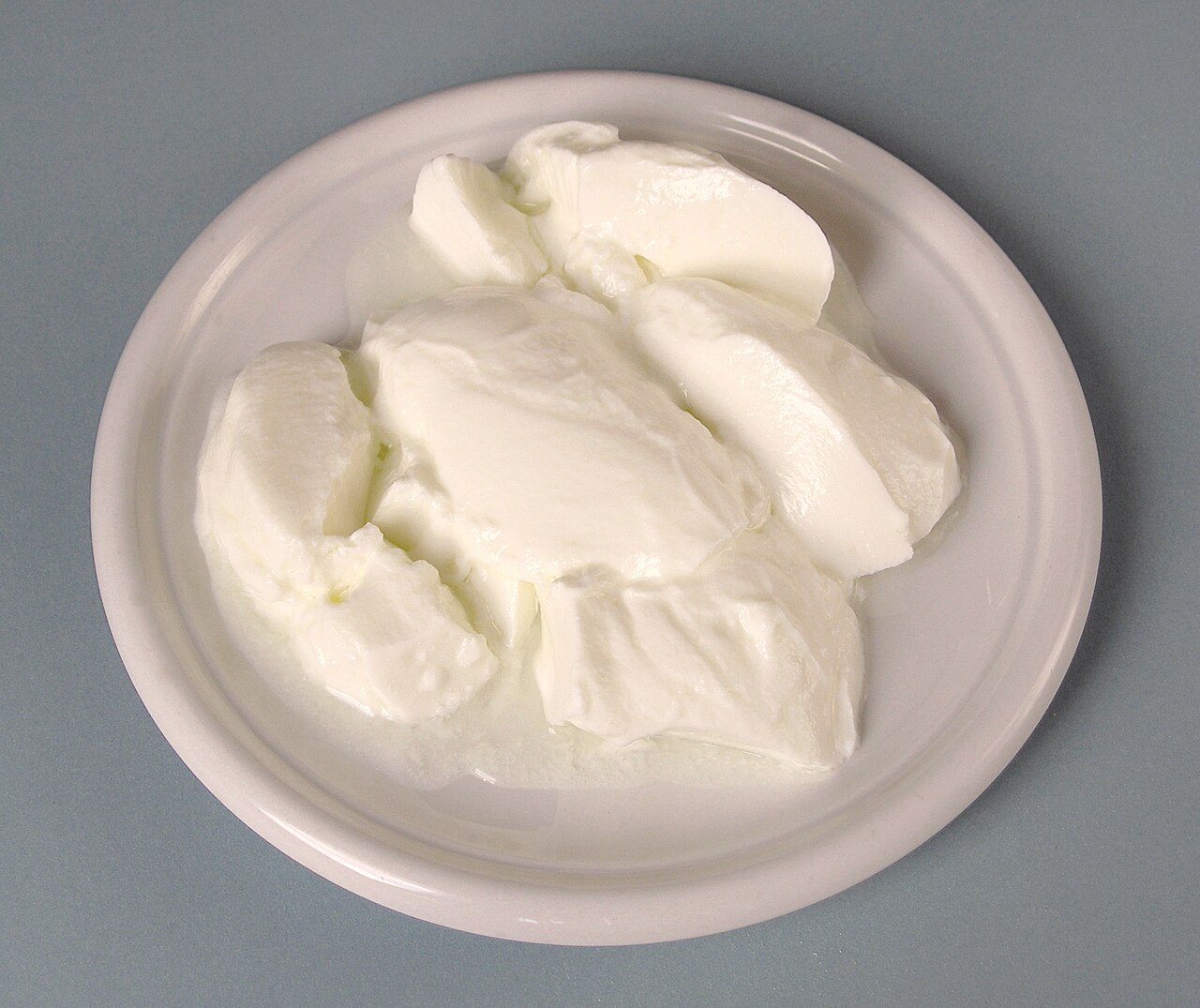
A white bowl of plain natural yoghurt with a spoon

How Long Does Yoghurt Last, Opened and Unopened?

Once you have opened a pot of yoghurt, use it within about five to seven days if it is kept properly chilled. Greek yoghurt and thick set yoghurts often stretch a little longer, closer to a week or two, because they are denser and more acidic. Unopened in a cold fridge, yoghurt frequently lasts well beyond the date on the lid, but only if that date is a best-before and not a use-by. The difference between those two words decides everything, so let me start there. ...

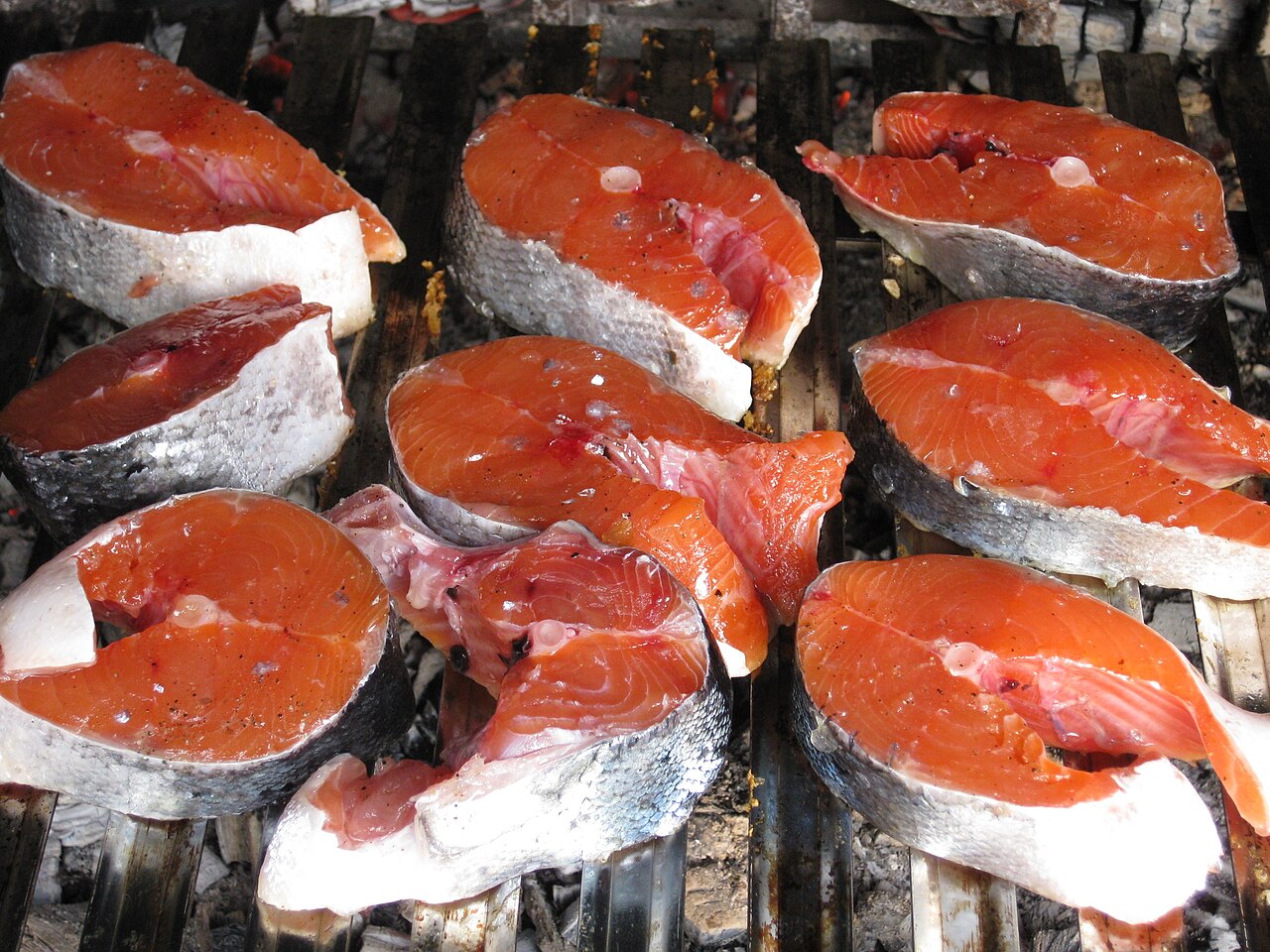
Two raw salmon fillets on a board, ready for wrapping and freezing

Can You Freeze Fish? (Raw, Cooked and How to Thaw It)

Yes, you can freeze fish, and most of it comes back beautifully. Raw fish freezes well for three to eight months depending on the type, cooked fish for about three months, and the whole thing hinges on two habits: wrap it airtight, and freeze it while it is still genuinely fresh, not on the day it was going off anyway. Freezing pauses the clock; it does not wind it back. ...