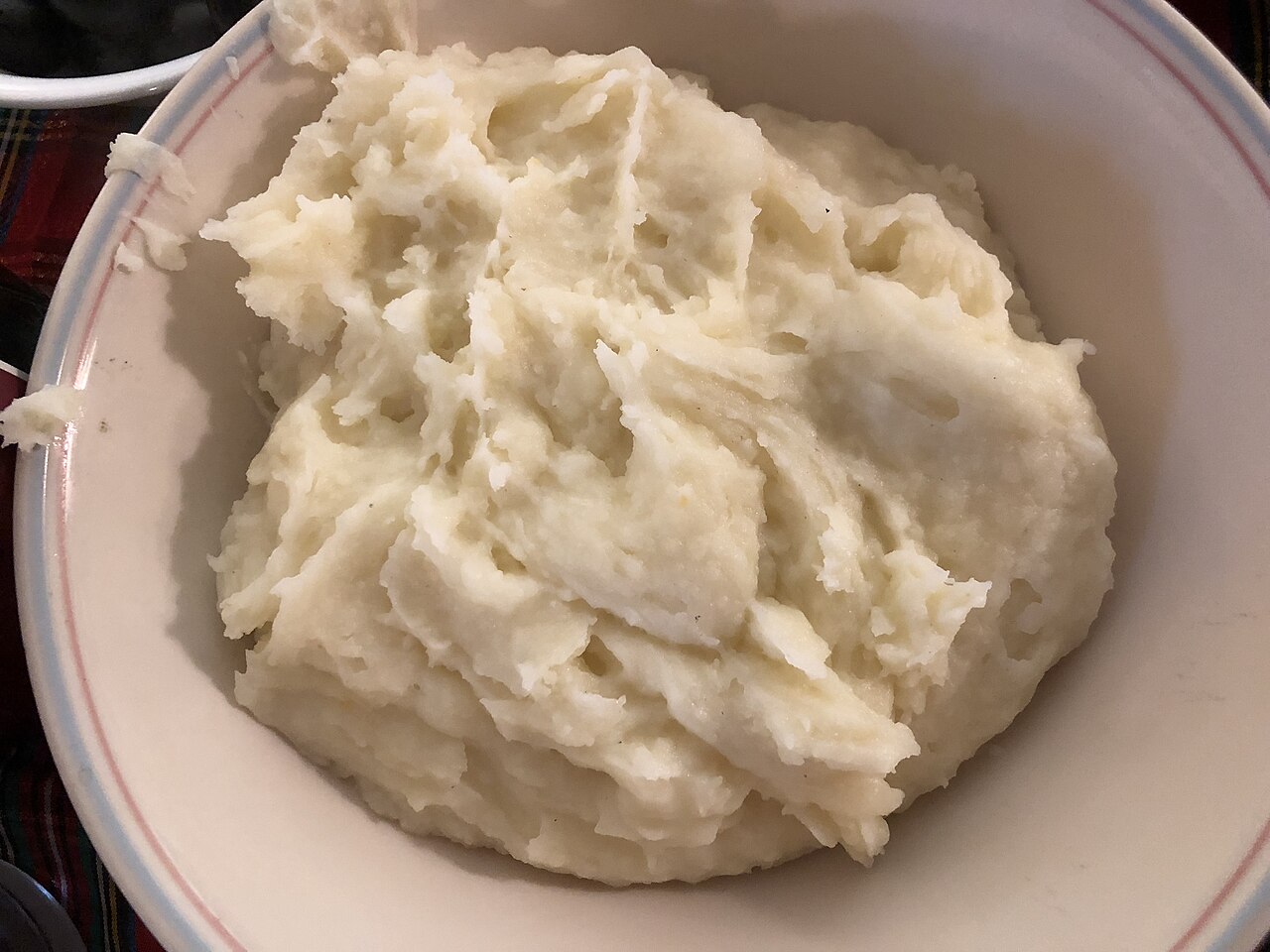
Yes, you can freeze mashed potato, and it is one of the few potato dishes that comes back from the freezer genuinely well. That surprises people, because plain boiled or roast potatoes turn watery and grainy after freezing. Mash is different, and the reason is simple: it is the butter and cream already whipped through it that protect the texture. So the mash you would not think twice about eating is exactly the mash that freezes best. I make a double batch most times I cook it, precisely so there is a bag in the freezer for a night when I cannot face peeling anything.
Below is how I do it, how long it lasts, and how to bring it back so it goes creamy again instead of turning into wallpaper paste.
Free PDF
Free Oven Temperature & Gas Mark Chart
A printable one-page conversion chart for your kitchen: degrees, fan, gas mark and the descriptions in between. Pop your email in and the PDF is yours, plus the odd straight-talking kitchen tip.
Free, unsubscribe any time. The download starts as soon as you sign up.
Why mash freezes well when plain potatoes do not
A boiled or roasted potato is mostly water held inside a structure of starch cells. Freeze it and the water forms ice crystals that puncture those cells; thaw it and the water runs out, leaving something mealy and grey. That is why I steer people away from freezing plain cooked potatoes unless they are going into a soup or a mash later anyway. There is more on that in my guide to how long cooked potatoes last.
Mash has already been through that wrecking process on purpose. You have broken the cells down and coated everything in fat. The butter and cream sit between the starch and the water and stop the mixture from separating badly when it freezes and thaws. Fat is the whole trick here. A rich, buttery mash freezes beautifully. A virtuous low-fat mash made with a splash of stock and not much else is the one that comes back sad and watery, because there is nothing protecting it.
If you know when you cook it that some is going in the freezer, be a little more generous with the butter and cream than usual. You are not being greedy, you are insuring the texture.
How to freeze mashed potato
The method is easy, and the only real rule is to cool it fast and freeze it in the portions you will actually use.
- Cool it quickly. Do not put a warm bowl of mash straight into the freezer. It raises the temperature inside and it sits too long in the range where bacteria grow. Spread the mash out a bit, or tip it into a shallow dish so it loses heat faster, and get it cooled and into the freezer within a couple of hours of cooking. The Food Standards Agency line on leftovers is to cool them as quickly as you can, ideally within one to two hours, then chill or freeze.
- Portion it. This is the step people skip and regret. Freeze mash in the amounts you serve, not in one solid brick you have to hack at. I use a muffin tin: scoop the mash into the cups, open-freeze until solid, then pop the pucks out into a labelled freezer bag. Two or three pucks per person and you can take out exactly what you need. Freezer bags flattened thin also work and thaw quickly.
- Keep the air out. Press a layer of cling film onto the surface or squeeze the air out of the bag. Less air means less freezer burn, which is the dry, tough patch you get where cold air has dried the surface out.
- Label and date it. Frozen mash looks like every other pale thing in the freezer after a fortnight. Write what it is and the date.
Loaded mash freezes fine too. Cheese, cooked bacon, a bit of mustard, browned onion, all come through well. The one thing I would hold back is a heavy hit of raw garlic or raw spring onion, which can taste stale and slightly bitter after freezing. Stir those in fresh when you reheat if you want them.
How long does frozen mash keep?
For the best flavour and texture, use frozen mash within about a month. It stays perfectly safe well beyond that, because food kept properly frozen at minus 18°C is safe more or less indefinitely, but “safe” and “nice” are not the same thing. Past a month or two the texture dulls and the flavour flattens, and after that you are eating it out of duty rather than pleasure.
In the fridge, leftover mash is a different clock. Treat it like any cooked leftover: eat it within two days, kept covered at 5°C or below. My freezer storage post has the fuller list of freezer storage times if you want to see where mash sits against everything else, and the fridge side is in how long food lasts in the fridge.
How to reheat frozen mashed potato
This is where mash is either rescued or ruined. The mistake is blasting it on full power in the microwave, which heats the outside to boiling while the middle is still an ice block, and the fat splits so the mash goes oily and grainy. Low and slow is the whole game.
From frozen, gently, is my preferred way. You do not have to thaw it first. My usual method:
- Hob: tip the frozen pucks into a heavy pan over a low heat with a splash of milk and a knob of butter. Let it melt down slowly, stirring, and it comes back together into something creamy. Keep the heat gentle so the bottom does not catch.
- Oven: for a larger dish, put the frozen mash in an ovenproof dish, dot with butter, cover with foil and heat at around 180°C, stirring once or twice, until it is hot all the way through. Good if you are reheating a whole batch for a roast.
- Microwave: it does work, but in short bursts on medium power, stirring between each one, not one long blast. Add a splash of milk first.
Whichever way you go, the food-safety part is not optional: reheat it until it is steaming hot all the way through, which means piping hot in the middle and not just round the edges. And reheat it once only. Once you have brought a portion of frozen mash back to hot, that is its last reheating; do not cool it and warm it up again another day. That is the standard leftovers rule, and there is more on it in reheating leftovers safely and how many times you can reheat food.
If the thawed mash looks a little loose or separated before you heat it, do not panic. A good stir over gentle heat with a splash of warm milk usually pulls it straight back to smooth. A stick blender or a potato ricer will fix a stubborn batch, though for everyday mash a wooden spoon and patience is plenty.
A few honest caveats
- Do not refreeze thawed mash. If you have taken a portion out and warmed it, it does not go back in the freezer. Cook the amount you will eat.
- Watch the reheating with the very young, the elderly, pregnant women and anyone unwell. For anyone whose stomach you would not gamble with, be stricter about the piping-hot-all-the-way-through rule, and do not stretch the fridge life.
- If you cannot remember when you froze it, or it smells or tastes off when reheated, bin it. When in doubt, throw it out. That line costs you a portion of mash; the alternative costs you a great deal more.
Frozen mash is one of the genuinely useful things to have on hand. It turns a bare-cupboard evening into shepherd’s pie, bangers and mash, or a quick side without any peeling, and it is the rare potato job the freezer actually does you a favour on.
This is a general kitchen reference, not medical advice. For anything about food safety when you are pregnant, feeding a baby or caring for someone who is unwell, follow current NHS and Food Standards Agency guidance.