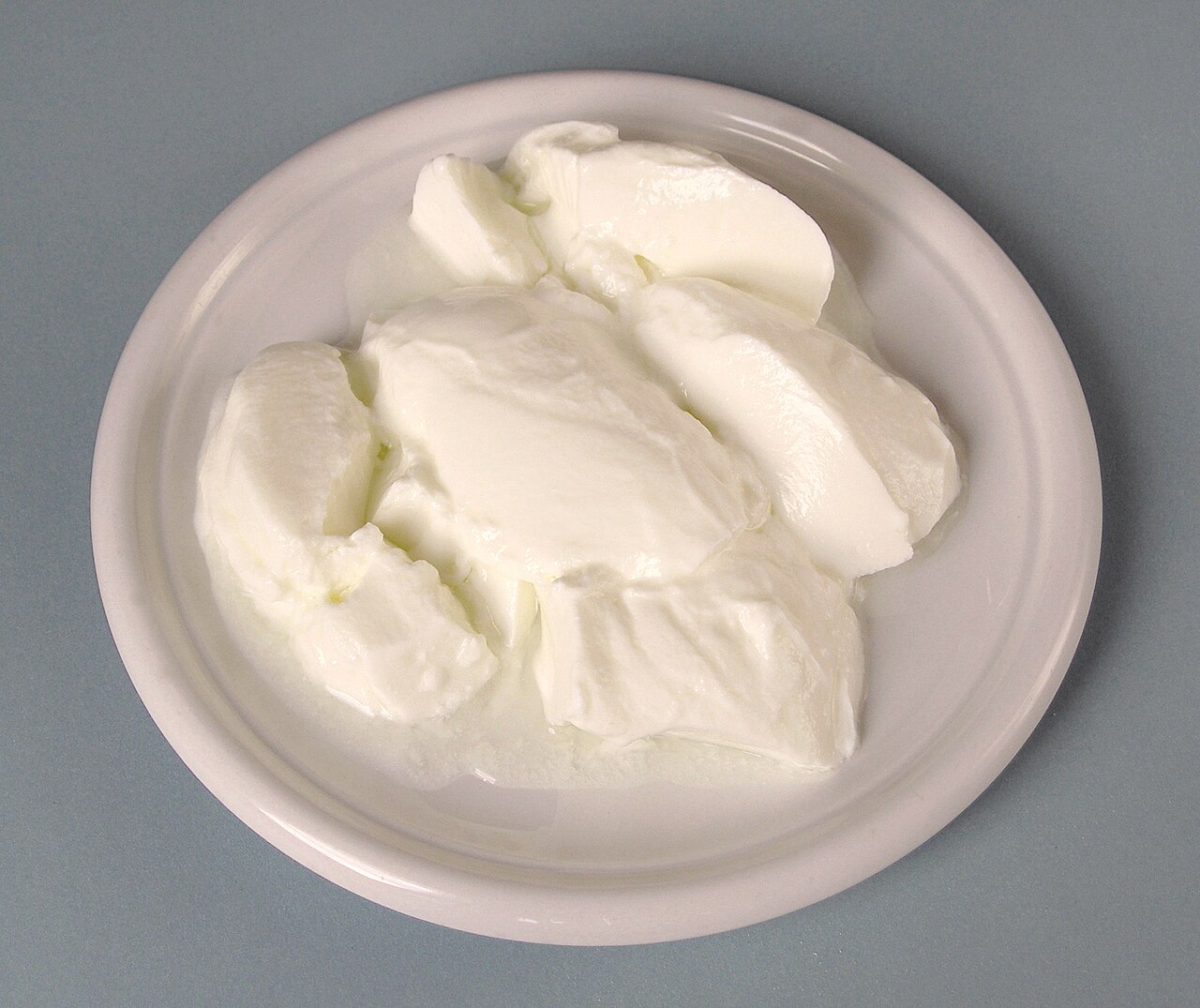
Once you have opened a pot of yoghurt, use it within about five to seven days if it is kept properly chilled. Greek yoghurt and thick set yoghurts often stretch a little longer, closer to a week or two, because they are denser and more acidic. Unopened in a cold fridge, yoghurt frequently lasts well beyond the date on the lid, but only if that date is a best-before and not a use-by. The difference between those two words decides everything, so let me start there.
I get through a lot of yoghurt in this house, on porridge, in dressings, spooned over fruit to stop the children asking for pudding, so I have a decent feel for how long a pot really lasts once it is open. The honest answer is longer than most people fear and shorter than the optimists hope.
Free PDF
Free Oven Temperature & Gas Mark Chart
A printable one-page conversion chart for your kitchen: degrees, fan, gas mark and the descriptions in between. Pop your email in and the PDF is yours, plus the odd straight-talking kitchen tip.
Free, unsubscribe any time. The download starts as soon as you sign up.
Best-before or use-by? Check which one is on the pot
In the UK, yoghurt can carry either type of date, and it matters which.
- A use-by date is about safety. Do not eat yoghurt after its use-by date, even if it looks and smells fine, unless you have frozen it in time. Past that date the maker is no longer confident it is safe.
- A best-before date is about quality. After it, the yoghurt may be less fresh or a touch more sour, but it is not automatically unsafe.
Here is the useful part: many big UK retailers, Tesco and the Co-op among them, have switched their own yoghurts from use-by to best-before dates precisely because plain yoghurt keeps so well. The acidity that gives yoghurt its tang is also a natural defence that makes it hard for harmful bacteria to take hold. So a lot of the yoghurt in your fridge is genuinely fine to eat past the printed date, as long as that date says “best before”. If it says “use by”, treat it as the hard stop it is. There is more on this split in use-by vs best-before dates.
How long unopened yoghurt lasts past its date
An unopened pot that has stayed properly cold, and is dated best-before, is usually still good for a week or two beyond that date. Some plain yoghurts made under clean conditions last longer still. The safe way to judge it is to open it and look: if it smells clean and tangy and the texture is normal, it is fine; if it is fizzing, bulging at the lid or smells sharply off, it is not.
None of that applies to a use-by date. Past use-by, unopened or not, it goes in the bin.
How long opened yoghurt lasts
The clock speeds up once the seal is broken, because now other bacteria and mould spores can get in, and every dip of a used spoon adds more.
- Plain and natural yoghurt: about 5 to 7 days opened.
- Greek and thick set yoghurt: roughly 1 to 2 weeks, being denser and more acidic.
- Yoghurt with fruit, honey or other add-ins: nearer the shorter end, 5 to 7 days, since the extra sugar and moisture give spoilage more to work with.
These are on top of, not instead of, the date on the pot. If an opened Greek yoghurt is a week past its use-by, the use-by still wins.
One small habit makes a real difference: spoon out what you want into a bowl, then put the lid back and the pot straight in the fridge. Eating from the tub with a spoon that has been in your mouth introduces bacteria that will turn the rest sour far faster. And do not leave yoghurt sitting out; more than a couple of hours at room temperature, or an hour in a hot kitchen, and it should not go back in the fridge.
The watery layer on top is normal
If you peel back the lid and find a thin layer of clear or slightly yellow liquid pooled on top, that is whey, not a sign it has gone off. It separates out naturally, especially in set and Greek yoghurts. Stir it back in, or pour it off if you prefer a thicker spoonful. Perfectly good yoghurt does this all the time.
How to tell if yoghurt has actually gone off
Real spoilage looks and smells different from a normal tang:
- Smell: fresh yoghurt is pleasantly sour; spoiled yoghurt smells sharply rancid, bitter or a bit like off cheese, unpleasant rather than tangy.
- Mould: any fuzzy spots, pink, green, black or white, mean the whole pot goes, not just the visible patch.
- Texture: curdled, lumpy or oddly slimy beyond the usual thickness, or a lid that has puffed up and hisses when opened, means bacteria or yeast have been busy. Bin it.
Here is where I have to be straight with you: the sniff test has limits. Some harmful bacteria, listeria among them, leave no smell, taste or visible change, and listeria can grow slowly even at fridge temperatures. So a clean smell is reassuring but it is not a guarantee, which is exactly why the use-by date is the line you do not cross. When you cannot remember how long it has been open, or something feels off, throw it out. A pot of yoghurt is not worth a bout of food poisoning.
A note for anyone more vulnerable
If you are pregnant, elderly, very young or run down, be stricter than the general advice here: stick to shop-bought pasteurised yoghurt, keep well within dates, and do not chance anything past its best. Pasteurised yoghurt is fine in pregnancy; it is unpasteurised dairy that is the concern. When you are cooking for someone in one of these groups, err on the cautious side every time.
Where to keep it in the fridge
Yoghurt lasts longest on a shelf towards the back, not in the door. The door is the warmest part of the fridge and its temperature swings every time you open it, which is the last thing a dairy product wants. Your fridge should be running at 5°C or below; a cheap fridge thermometer is worth the couple of pounds, because a lot of home fridges sit warmer than people assume, and every degree above 5°C shortens the life of everything in there. Keep the pot sealed, upright and cold, and it will give you the full stretch of days above rather than turning early.
Can you freeze yoghurt to make it last longer?
You can, though it changes the texture: thawed yoghurt often turns grainy and splits, so it is better stirred into cooking, smoothies or baking than eaten by the spoon. It is a good way to rescue a pot you will not finish in time. I have written up exactly how in can you freeze yoghurt.
For where yoghurt sits among everything else in the fridge, see how long food lasts in the fridge, and if you have left a pot out and are wondering, how long you can leave food out covers the room-temperature rule.
This is general guidance to help you waste less and eat safely, not a substitute for official advice. For anything you are unsure about, follow the UK Food Standards Agency and the date on the pot.