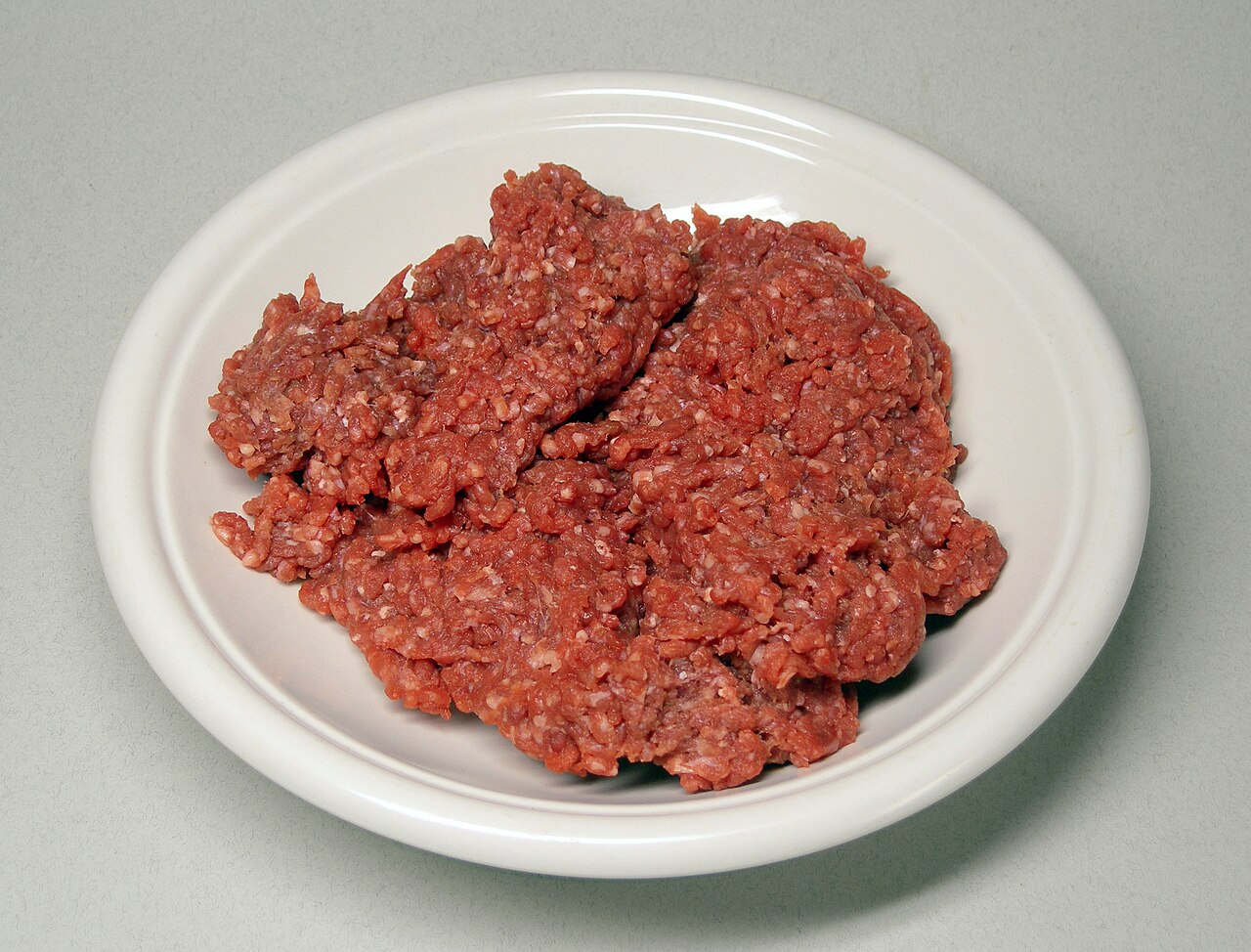
Yes, you can freeze mince, and it is one of the things I almost always have a stash of. Beef, lamb, pork, chicken or turkey mince all freeze well, whether it is still raw or already cooked into something. Raw mince keeps its best quality for about three to four months in the freezer, and cooked mince dishes a bit less. The three things that actually matter are freezing it while it is still fresh, portioning it so it is easy to use, and thawing and cooking it properly at the other end. Get those right and a value pack of mince turns into a run of easy dinners rather than a guilty grey lump at the back of the drawer.
Free PDF
Free Oven Temperature & Gas Mark Chart
A printable one-page conversion chart for your kitchen: degrees, fan, gas mark and the descriptions in between. Pop your email in and the PDF is yours, plus the odd straight-talking kitchen tip.
Free, unsubscribe any time. The download starts as soon as you sign up.
Freeze it fresh, not as a last resort
The single biggest mistake I see is treating the freezer as a way to save mince that is already on the turn. It does not work like that. Freezing pauses mince exactly as it is; it does not wind the clock back. So freeze it while it is still well within date, ideally the day you buy it if you know you are not cooking it straight away.
Check the use-by date, not the best-before. Mince carries a use-by date because it is a genuine safety line, and you should freeze it on or before that date, not after. If the pack says use by Thursday and it is Tuesday, get it in the freezer on Tuesday and it will be fine. Leave it until Friday and no amount of freezing will make it safe.
The reason mince needs more care than a steak or a joint is worth understanding, because it comes up again when you cook it. When meat is minced, any bacteria that were sitting on the surface get mixed right through the whole batch. That is why mince spoils faster than a whole cut and why the dates on it are tighter.
How to freeze mince so it is actually usable
Freezing mince is easy. Freezing it in a way you will actually want to use later takes about two extra minutes, and it is worth every second.
- Portion it first. Split the pack into the amounts you cook with, say 250g or 500g, before it goes in. A single frozen brick of a kilo is almost useless on a Tuesday night.
- Freeze it flat. My favourite trick is to press each portion thin and flat inside a freezer bag, squeeze the air out, and lay the bags down to freeze. Flat bags stack like files, they take up almost no room, and thin mince thaws in a fraction of the time a dense block does.
- Use its own packaging with care. You can freeze mince in the sealed supermarket tray it came in, but the film is thin and lets air in over time, which brings on freezer burn. If I am keeping it more than a few weeks I re-wrap it.
- Label everything. Type of mince and the date it went in. Frozen mince all looks the same, and you will not remember.
You can freeze mince either raw or cooked, and both are genuinely useful. Cooked mince freezes brilliantly, so I often brown a big batch, turn it into bolognese, chilli or a cottage pie filling, and freeze that instead. It defrosts faster, reheats in one pan, and dinner is basically done. If you are scaling a batch up to fill the freezer, my recipe scaler saves the mental arithmetic.
How long frozen mince keeps
Kept properly frozen at minus 18°C or below, mince stays safe more or less indefinitely. Safe and good, though, are two different things. For the best flavour and texture, use raw mince within three to four months and cooked mince dishes within about two to three. After that it is not dangerous, it just starts to dry out and pick up freezer burn, those greyish, leathery patches where the air has got to it. Freezer burn is not a safety problem, it is a quality one; you can cut the worst off, but the more there is, the less pleasant the result.
For the fuller picture on how long everything else lasts in the cold, I keep a guide to freezer storage times.
Thawing mince safely
Thaw mince in the fridge, not on the worktop. This is the part people get wrong most often, and it is the part that matters most for safety.
Put the mince on a plate or in a container on the bottom shelf so any juices cannot drip onto anything below it, and let it thaw slowly overnight. A flat, thin bag will be ready by morning; a solid block can take a day or more. Leaving mince to thaw at room temperature lets the outside sit in the danger zone, warm enough for bacteria to multiply, long before the middle has softened. My full method is in defrosting food safely.
Once it is thawed, cook it within 24 hours and do not let it sit around. If you are pushed for time you can cook mince straight from frozen, breaking it up in the pan as it loosens, but you have to be sure it is piping hot all the way through with no frozen core, so thawing it first gives far more even cooking.
Cook it right through, every time
Mince has to be cooked all the way through. This is not a texture preference, it is the one non-negotiable with any minced meat.
Because mincing spreads any surface bacteria right through the batch, you cannot cook mince rare the way you might a steak. With a whole steak the bacteria are only on the outside, so a good sear kills them and the pink middle is fine. Mince has bacteria potentially throughout, so the whole lot has to get hot enough. Cook it until it is steaming hot, the juices run clear and there is no pink left, which means getting it to 70°C right through and holding it there for a couple of minutes. The same rule applies to burgers and meatballs you have made from mince at home, which is why a home burger should never be served pink in the middle. There is more on safe internal temperatures in my note on meat doneness temperatures.
Can you refreeze mince?
Here is the honest answer, because it is a question I get a lot.
If you thawed the mince slowly in the fridge and it has stayed cold the whole time, it is technically safe to refreeze it raw without cooking. You will lose some quality, because each freeze and thaw draws out moisture and leaves the meat drier, but it is not a safety risk. The Food Standards Agency’s general steer is not to refreeze raw meat that has thawed, precisely because home freezers and fridges are less reliable than commercial ones and it is easy to let the meat warm up along the way.
The route I actually use, and the one I would recommend, is to cook it first. If you have thawed more mince than you need, cook the lot, then freeze the cooked dish. Cooking then freezing is safe and keeps far better than raw refreezing does. What you must not do is refreeze mince that thawed on the counter, or that has been sitting out warm, or that you are not sure about. If it thawed anywhere but the fridge, cook it now and eat it, or bin it. I go into the full rules in can you refreeze meat.
When to just bin it
Freezing buys you time, it does not buy forgiveness. If raw mince smells sour or genuinely off, feels slimy or tacky, or you simply cannot remember how long it has been thawed in the fridge, throw it out. Raw beef mince going a bit brown or greyish on the inside of the pack is usually just the effect of less oxygen reaching it and is not on its own a sign of spoilage; the smell is the more reliable tell. Even so, the sniff test has limits, because plenty of harmful bacteria leave no smell, taste or visible sign at all. My guide on how to tell if meat has gone off covers what the checks can and cannot tell you.
When in doubt, throw it out. A pack of mince is a couple of pounds; a bout of food poisoning is a rotten few days, and worse for anyone pregnant, very young, elderly or already unwell, who should always err on the cautious side. This is a reference from one home cook to another, not medical advice, so for anything you are genuinely unsure about, lean on the NHS and Food Standards Agency guidance and bin anything doubtful.