Food stored in a freezer

How Long Food Really Keeps in the Freezer

The freezer is where good intentions go to hibernate. Mine currently holds a labelled, dated, rotated stock of family dinners and also, if I am honest, a bag of something beige from an era I cannot identify. The good news about freezers is that the safety question is simple: food kept frozen at minus 18°C (0°F) stays safe more or less indefinitely, because bacteria cannot grow at that temperature. The times below are about quality, not safety, and understanding that difference changes how you use the freezer. ...

June 26, 2026 · 5 min
Food containers in a fridge

Reheating Leftovers Safely: Times, Temperatures and What Not to Rerun

Leftovers have a public relations problem: half the population treats them as biohazards after one night, the other half cheerfully reheats week-old curry for the third time. Both halves are wrong, and the actual rules are short enough to memorise. Cool it fast, fridge it for two days, reheat it once until piping hot. Everything else on this page is detail and exceptions. Why reheating is not a reset button Understanding one thing makes all the rules make sense: cooking kills bacteria, but it does not remove the toxins some bacteria leave behind. If food sat warm long enough for Staphylococcus aureus or Bacillus cereus to multiply and produce toxins, no amount of subsequent heat will make it safe. The danger accumulated on the worktop is permanent. ...

June 24, 2026 · 6 min
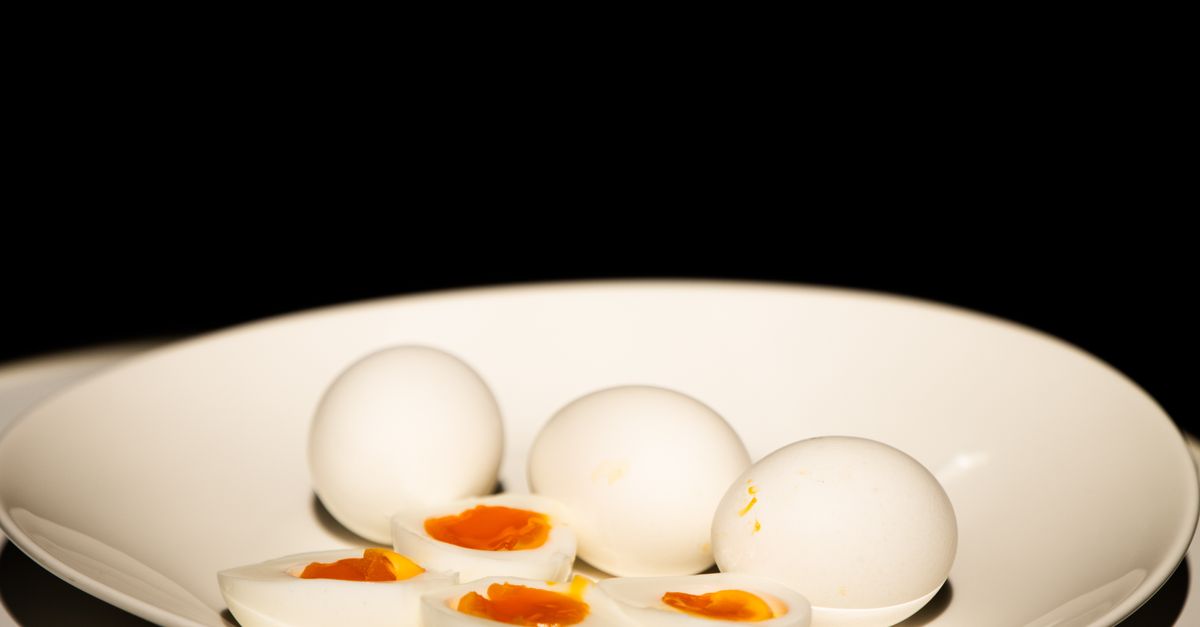
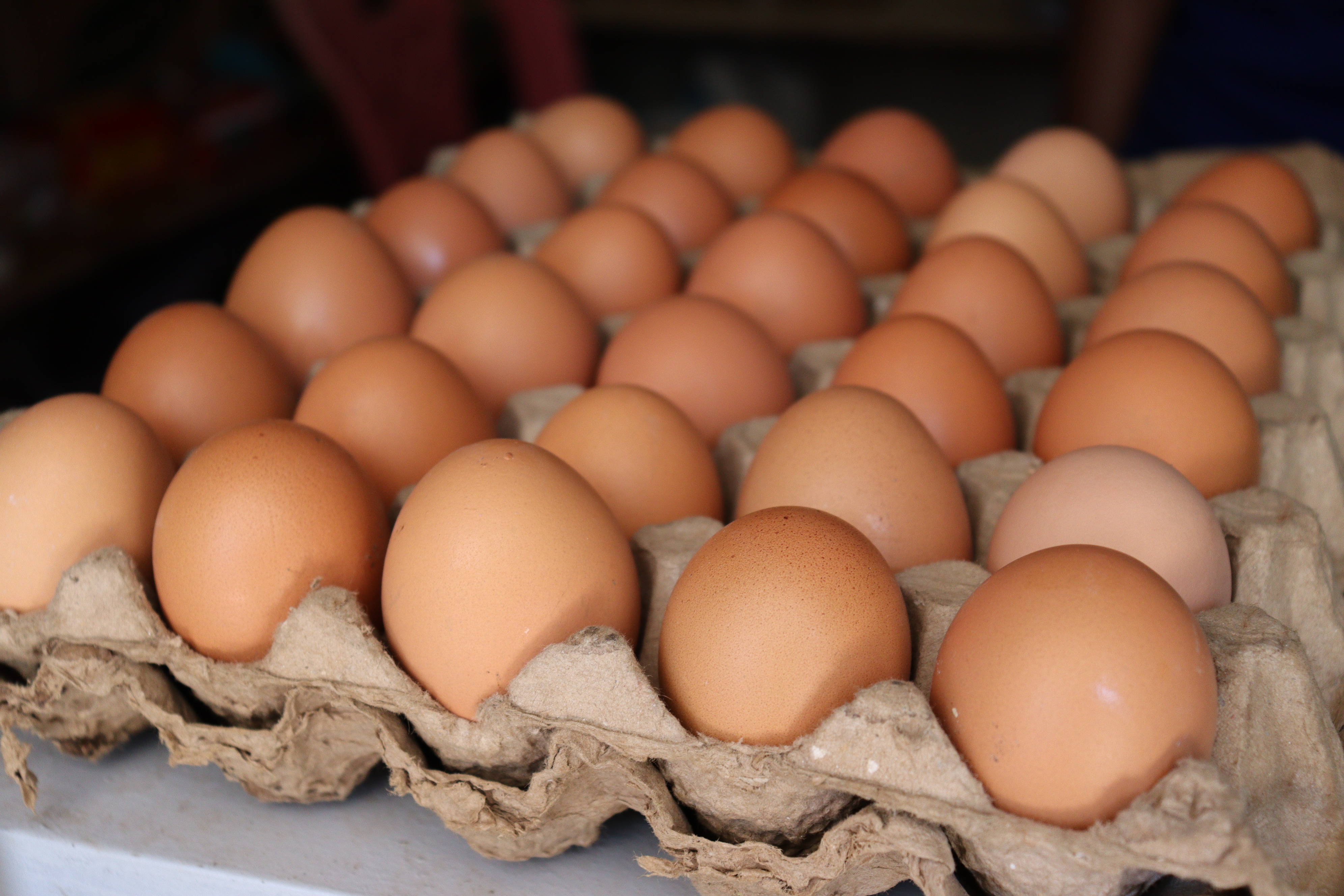
Fresh eggs in a bowl

How to Tell If an Egg Has Gone Off

Eggs are one of the few foods where the internet’s favourite freshness trick actually works, sort of, for reasons most articles get wrong. I go through a couple of dozen a week, and every so often a box surfaces from behind the yoghurt with a date that expired while we were on holiday. Here is how to judge them honestly: what the float test really shows, the one test that actually settles the question, and how to store eggs so you rarely need either. ...

June 23, 2026 · 6 min
Spices in glass jars on a shelf

Storing Herbs and Spices So They Keep Their Punch

Almost nobody’s spices are off. They are just dead. A jar of ground coriander does not spoil in any safety sense; it simply loses the volatile oils that made it taste of anything, and what remains is beige dust that adds texture and false confidence to your cooking. If a curry made from a well-stocked spice cupboard tastes flat, the cupboard is the suspect, not the recipe. The good news is that spice storage is cheap and easy to fix, and fresh herbs, which genuinely do rot, respond to a couple of tricks borrowed from florists. ...

June 21, 2026 · 6 min
Bread baking inside an oven

Oven Temperature Conversions: Celsius, Fahrenheit and Gas Mark

Half the recipes in my kitchen were written for someone else’s oven. American books give Fahrenheit, older British books give gas marks, and modern recipes give Celsius but rarely say whether they mean a fan oven or a conventional one. Getting this wrong is why a cake that “should take 25 minutes” is raw in the middle or burnt at the edges. Here is the full conversion table, the fan-oven rule, and an honest note about why none of it is as precise as the numbers suggest. ...

June 20, 2026 · 7 min
Baking ingredients, eggs and flour

Baking Substitutions That Actually Work

Baking substitutions have a worse reputation than they deserve, mostly because the internet treats them all as equivalent. Some swaps are genuinely invisible: nobody has ever detected the difference between buttermilk and soured milk in a batch of scones. Others are damage limitation at best, and a few are the reason the cake came out like a frisbee. This page separates the three groups, with quantities. A general note before the specifics: substitutions work best when you measure by weight. “One cup” of a replacement rarely behaves like one cup of the original, but 100g is 100g. The general-purpose swaps for non-baking cooking live in ingredient substitutions; the ingredient converter handles the cups-to-grams arithmetic when a recipe fights you on units. ...

June 16, 2026 · 6 min
Cooking oil in a frying pan

Cooking Oils and Their Smoke Points: Which to Use When

Most kitchens have too many oils and no clear idea which one to reach for. Some of that is marketing (coconut oil had a very good decade for no nutritional reason) and some of it is genuinely confusing labelling, because “vegetable oil”, “olive oil” and “rapeseed oil” each cover several products with different behaviour in the pan. The property that decides most of it is the smoke point: the temperature at which an oil stops being a cooking medium and starts breaking down. ...

June 13, 2026 · 6 min
Raw beef on ice

How to Defrost Food Safely (and How Not To)

Defrosting is where freezer discipline goes to die. People will carefully label and date everything going into the freezer, then take a chicken out at 8am and leave it on the counter until dinner. The freezer keeps food safe by stopping bacteria growing; defrosting is the process of handing that food back to the bacteria, and how you do it decides how big a head start they get. There are exactly three safe methods. Everything else, including the counter, the radiator, the airing cupboard and the bowl of hot water, is a gamble with worse odds than people think. ...

June 11, 2026 · 6 min
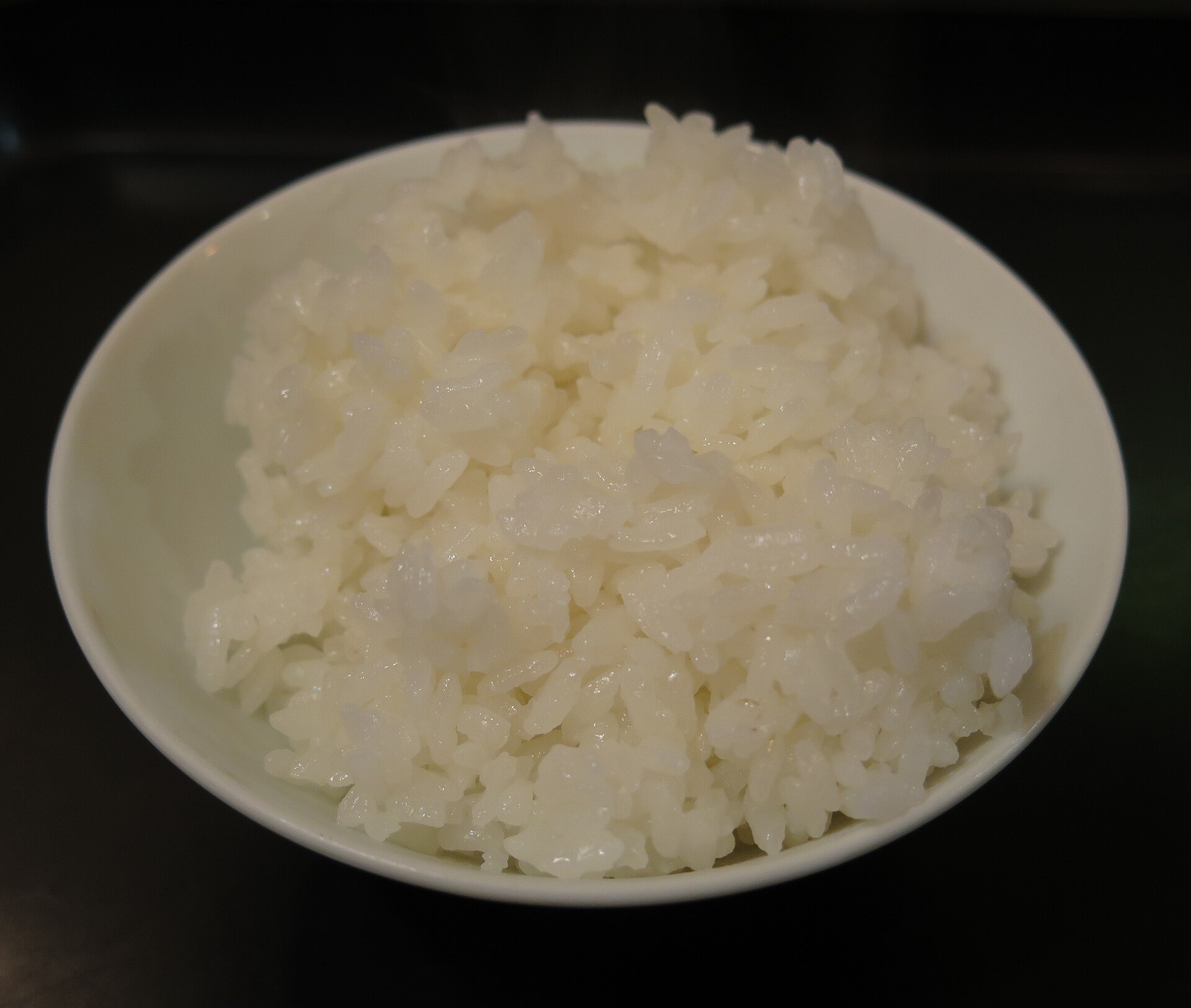
A bowl of cooked white rice

How to Cook Rice Properly (Absorption, Rinsing and Ratios)

Rice is one of the cheapest foods in the kitchen and one of the most commonly ruined. The packet instructions are often wrong for your pan, the “just double the water” advice is wrong for most rice types, and half the internet insists you need a rice cooker. You do not. You need the right ratio for the rice you actually bought, a lid that fits, and ten minutes of leaving it alone. That last part is where most people fail. ...

June 10, 2026 · 6 min