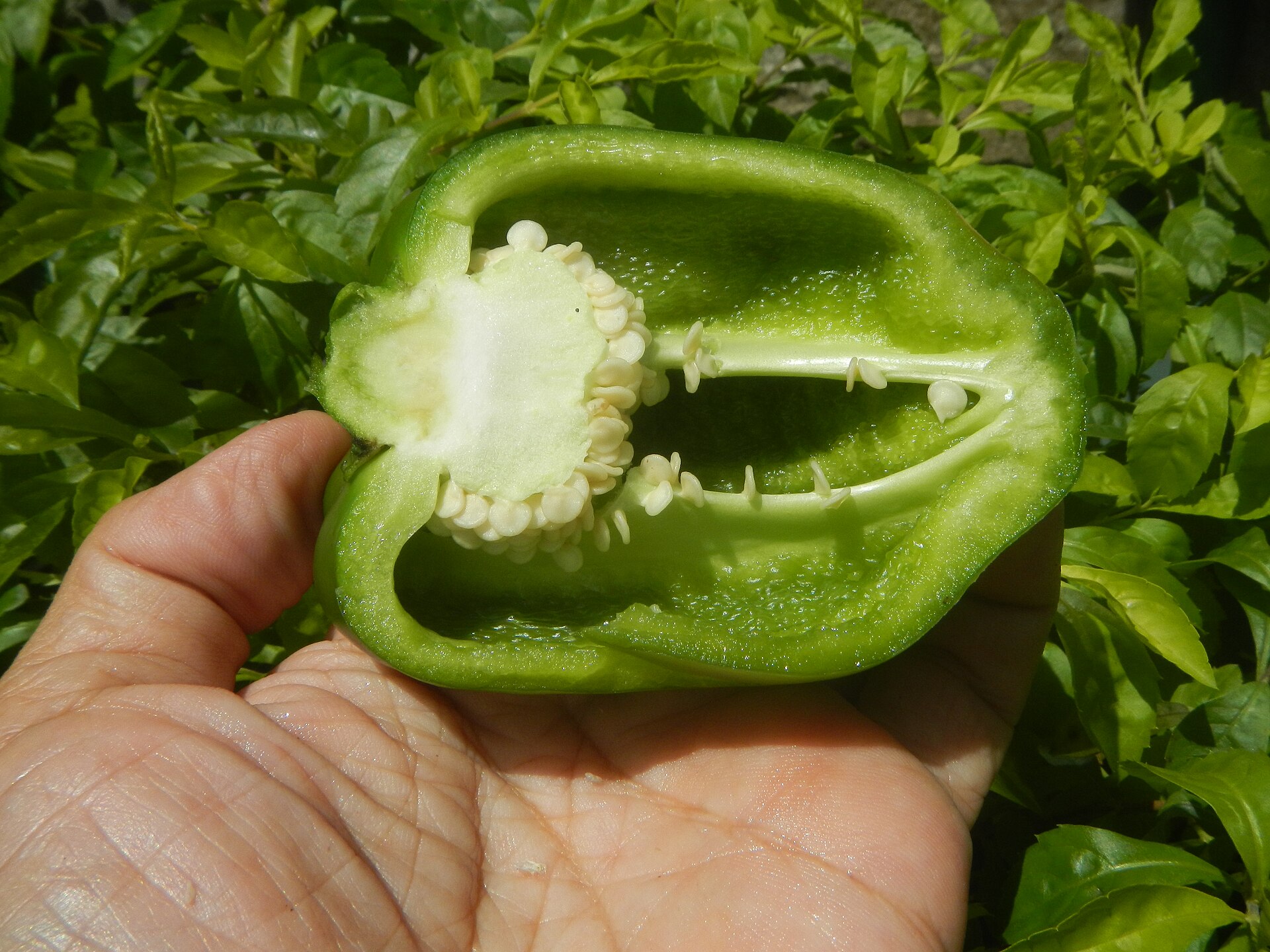
Yes, you can freeze peppers, and here is the bit that saves you a job: sweet peppers are one of the few vegetables you do not need to blanch first. No pan of boiling water, no ice bath, no timing it to the second. You deseed them, slice or dice them, freeze them in a single layer, then tip them into a bag. That is the whole method. I do it every time peppers are three for a pound and I have bought with my eyes rather than my meal plan.
There is one honest catch, and I will not pretend otherwise: peppers come out of the freezer softer than they went in. That is fine for almost everything you actually cook, and I will explain why below, along with how long they keep and the one quick step that stops them freezing into a single useless lump.
Free PDF
Free Oven Temperature & Gas Mark Chart
A printable one-page conversion chart for your kitchen: degrees, fan, gas mark and the descriptions in between. Pop your email in and the PDF is yours, plus the odd straight-talking kitchen tip.
Free, unsubscribe any time. The download starts as soon as you sign up.
The short answer
Freeze peppers raw, no blanching, and they keep their colour and most of their flavour. Deseed them, cut them to the size you want, open freeze them on a tray so the pieces stay separate, then bag them up and get them in the drawer. Use them straight from frozen in anything cooked: fajitas, stews, a tray of roasted veg, a pasta sauce, an omelette. They will keep their best quality for around ten to twelve months, though they stay perfectly safe to eat far longer than that.
The reason this works, when so many vegetables need blanching, is worth a quick word, because it tells you what to expect on the plate.
Why peppers do not need blanching
Most vegetables get a quick dip in boiling water before freezing to knock out the enzymes that slowly degrade colour, flavour and texture in the freezer. Skip blanching with, say, green beans or broccoli and they turn drab and off-tasting over a few months. The US National Center for Home Food Preservation lists sweet peppers as an exception: you can freeze them without blanching and still get a decent result, which is why they are such an easy win.
Blanching peppers is still an option if you are freezing a big batch for long keeping, since it does help hold the quality a little longer. Honestly, though, I have never bothered. Anything I freeze gets eaten within a few months, and for the way I cook peppers the difference is not something I can taste. If you want to blanch, drop strips or rings in boiling water for two minutes, or halves for three, then cool them fast in iced water, drain well and freeze. For everyday use, raw is quicker and good enough.
How I freeze peppers, step by step
This is the open freeze method, and it is the thing that separates “a bag of loose pepper strips I can grab a handful from” from “a solid brick I have to hack at with a knife”.
- Wash and dry them properly. Any surface water turns to ice and then to a frosty clump, so give them a good pat with a tea towel. Dry peppers freeze as separate pieces.
- Deseed and remove the white pith. Cut around the stalk, halve them, flick out the seeds and trim the pale ribs inside. The seeds and pith are the bitter bits, and there is no point freezing them.
- Cut to the size you will actually use. Strips for fajitas and stir fries, dice for sauces and chilli, halves or quarters if you plan to stuff them later. Cutting now means no chopping a rock-hard pepper in three months’ time.
- Open freeze on a tray. Spread the pieces in a single layer on a baking tray lined with greaseproof paper, not touching if you can manage it, and freeze for an hour or two until firm.
- Bag up and label. Tip the frozen pieces into a freezer bag or tub, press out the air, and write the date on. Because they froze separately, you can pour out exactly as much as you need and reseal the rest.
That open freeze step takes five minutes of actual effort and it is the difference between a bag you use happily and one you resent.
What frozen peppers are good for (and what they are not)
Here is the texture thing, straight. Peppers are high in water, and when that water freezes it forms ice crystals that break down the cell walls. Thaw them and those broken cells release their liquid, so the crisp snap you get from a raw pepper is gone. Frozen peppers come out softer, a bit floppy, closer to a cooked pepper than a fresh one.
For cooking, this genuinely does not matter, and in some cases it helps, because they soften in the pan faster than fresh ones. Straight from frozen they go into:
- Fajitas, stir fries and anything with onions
- Stews, chilli, bolognese and pasta sauces
- A tray of roasted vegetables
- Omelettes, frittatas and shakshuka
- Soups and curries
Where they fall down is anywhere you wanted them raw and crunchy: a salad, a crudité platter, a sandwich. If that is what you are after, frozen peppers will disappoint you, so keep a fresh one back for that and freeze the rest for the pan.
One more practical point: you almost never need to thaw them. Cook from frozen and they will give off a little water as they heat, so get your pan good and hot and let that moisture cook away rather than stewing everything. If a recipe really does need them thawed, do it in the fridge and drain off the liquid before using.
How long do frozen peppers last?
For best quality, use frozen peppers within ten to twelve months. After that they are still safe, but the colour dulls and the flavour fades, so they are better eaten while they are at their best.
It is worth being clear on the difference between safe and good here, because it applies to everything in your freezer. Food kept properly frozen at minus 18 degrees is safe to eat more or less indefinitely, because freezing pauses the bacteria rather than killing them. What a “use within” time really describes is quality: how long before the texture and taste drop off. So a bag of peppers you find at the back from eighteen months ago will not hurt you, it just will not taste of much. For a fuller rundown of what keeps how long, I keep a freezer storage times chart you can check against.
Because freezing only pauses bacteria, freeze peppers while they are still fresh and firm. The freezer cannot rescue a pepper that is already going wrinkly and soft; it just preserves whatever state you put in. If one has gone slimy or grown mould, it goes in the bin, not the freezer.
Can you refreeze peppers?
Not if they have fully thawed. Once peppers have defrosted and sat at fridge temperature, refreezing them costs you more texture and, more to the point, lets any bacteria that woke up during thawing carry on where they left off. If you have taken a bag out and only used half while it was still frozen solid with ice crystals, popping the rest back is fine. If it has gone soft and wet, cook it and eat it, or cook it and then freeze the finished dish, which is a different and perfectly safe thing. The same rule covers most foods, and I go into it properly in defrosting food safely.
A quick word on chillies
If you grow chillies or buy them in bags far bigger than any sane person uses before they shrivel, freezing is a brilliant answer and even easier than sweet peppers. Freeze them whole, as they are, in a bag. Small chillies barely change, and you can grate or finely slice them straight from frozen, which is far kinder on your eyes and fingers than chopping a fresh scotch bonnet. They keep their heat beautifully.
The bottom line
Peppers freeze well, and the no-blanching shortcut makes them one of the easiest vegetables to stash. Deseed, slice, open freeze, bag, and you have fajita strips and sauce dice on tap for the best part of a year. Accept that they come out soft and use them in cooked food, and you will never waste half a pepper again. If you are getting into freezing seasonal gluts, it pairs well with the rest of my freezing guides and with the ingredient converter when a recipe gives peppers by weight and you are working from a bagful. When in doubt about whether something older is still good, trust your eyes over the calendar, and if a pepper has turned before it ever reached the freezer, let it go.