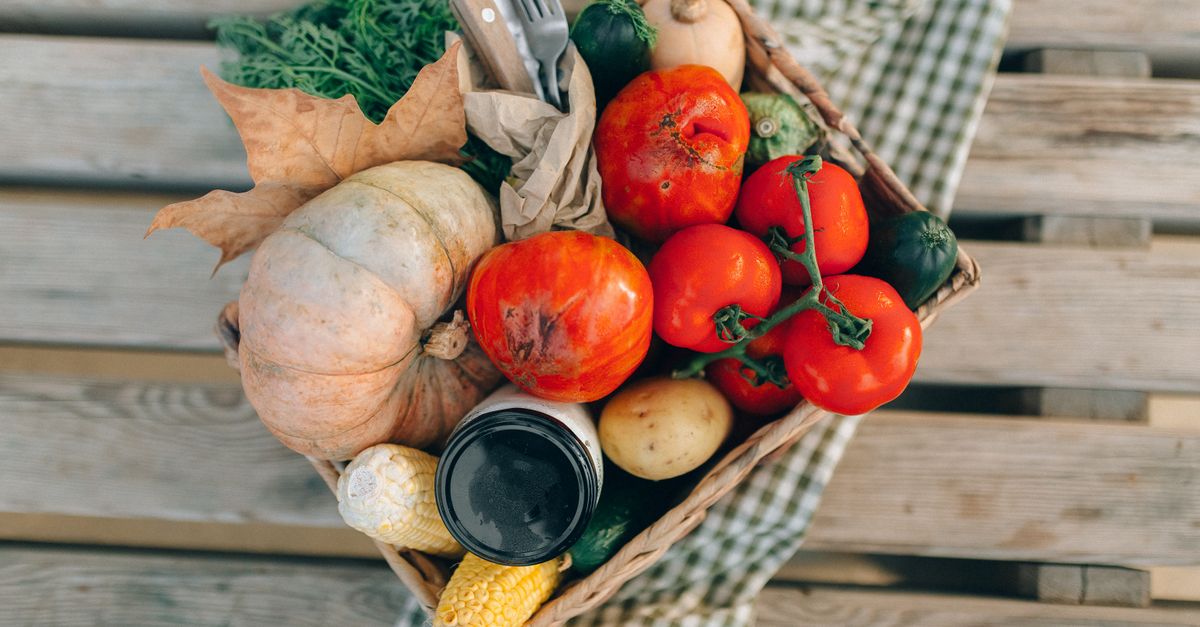
A basket of fresh vegetables

How to Store Fruit and Veg So It Actually Lasts

Most produce that gets thrown away in my house was not eaten too slowly. It was stored wrong on day one: bananas ripening everything in the bowl around them, potatoes sprouting next to the onions, herbs turning to green slime in the bag they came in. Storage is not complicated, but it is specific, and the supermarket gives you no clues because everything sits out on the same ambient shelf regardless of where it belongs at home. Here is the sorting logic, and the short list of rules that do most of the work. ...
Cooking Conversions: Cups, Grams, Ounces and Millilitres

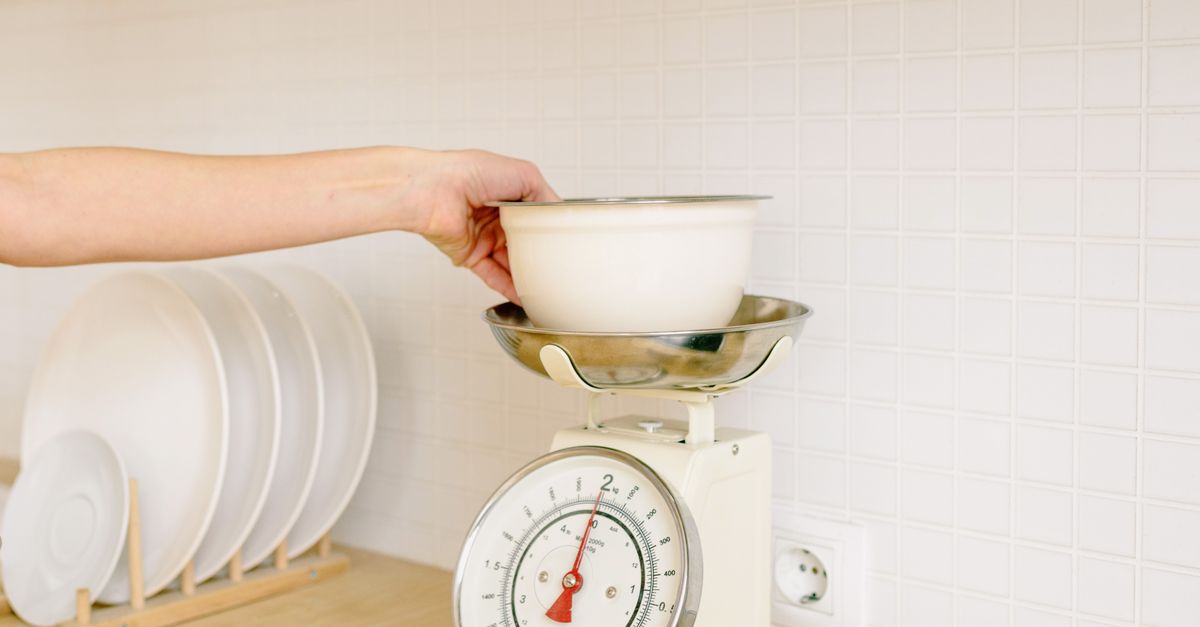
A cup of flour is not a fixed amount of flour. I learned this the hard way, years ago, making a birthday cake that came out like a paving slab because the American recipe meant one thing by “a cup” and my scooping technique meant another. I cook for a family of five, which means I cook a lot, and I have lost patience with recipes that swap between cups, ounces, grams and millilitres as if they were interchangeable. They are not. This page is the reference I wish I had kept by the hob for the last fifteen years: honest about which conversions are exact, which are approximate, and why a cheap kitchen scale will do more for your baking than any of the tables below. ...

Ingredient Substitutions: What to Use When You've Run Out

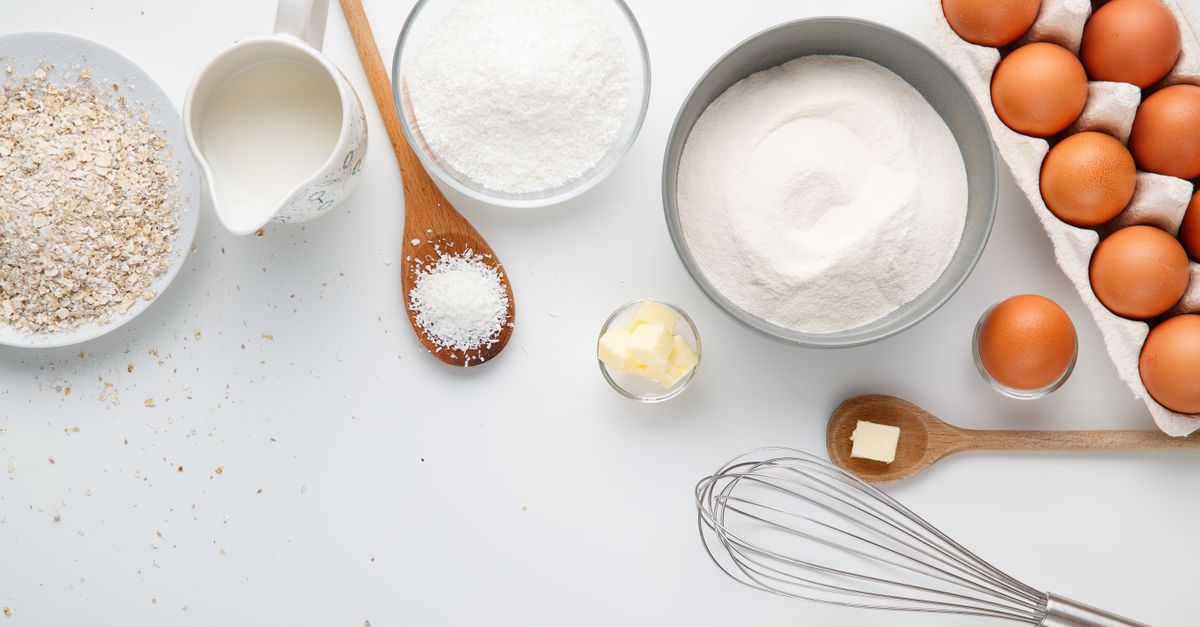
I cook three meals a day for five people, and the shops are a twenty minute round trip I rarely have time for. That means I have run out of something mid-recipe more times than I can count, usually with a bowl half mixed and a child asking when dinner is. Over the years I have learned which substitutions genuinely work, which ones are merely acceptable, and which ones will quietly ruin whatever you are making. This is the honest version of that list. Where a swap has a standard, well established ratio I have given it. Where it is approximate, I say so, because pretending precision where there is none is how bakes get wrecked. ...

How Long Does Food Last in the Fridge? A Practical Storage Guide

Cooking for five means my fridge is never quiet. Something is always going in, coming out, or lurking at the back in a bowl I meant to deal with two days ago. Over the years I have settled on a set of working rules for how long things keep, and they are not complicated, but they do need to be honest. Fridge storage times are general guidance, not laboratory precision, because your fridge, your kitchen and the food itself all vary. What follows is the widely accepted advice, plus the judgement calls I make daily, stated plainly as judgement calls. ...

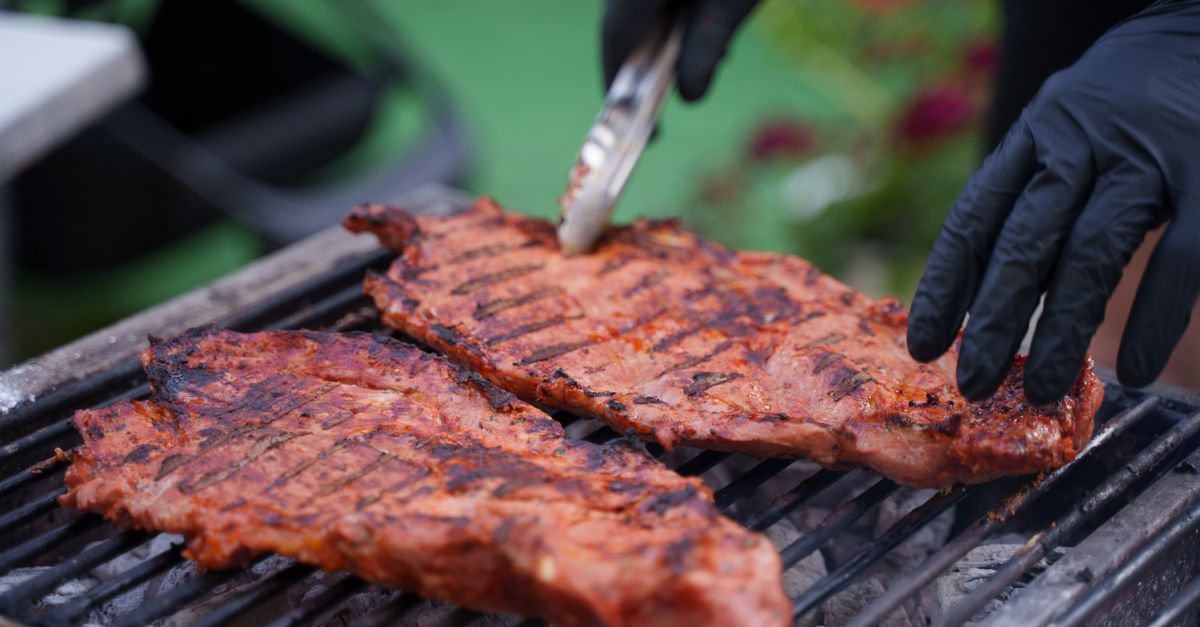
Steaks cooking on a grill

Meat Doneness: The Temperatures That Actually Matter

Every method for judging meat without a thermometer is a proxy. Poking it and comparing to the ball of your thumb, timing per 500 g, cutting it open to look: all of them are guesses about one number, the temperature in the middle. A probe thermometer measures that number directly, costs about the same as one wasted rib joint, and turns the most stressful part of cooking into reading a display. Here are the temperatures worth knowing, and the two effects (resting and carryover) that trip people up even with a thermometer in hand. ...

Seasoning a dish on the stove

How to Rescue Over-Salted, Too-Spicy, Too-Sweet or Bland Food

Everyone ruins dinner sometimes. The lid comes off the chilli flakes mid-shake, the stock cube turns out to be double strength, a child “helps” with the sugar. What separates a bad evening from a served dinner is knowing which fixes actually work, and the honest answer is that there are only two real mechanisms: dilution and balance. Everything below is one of those two, plus a clear-eyed list of what cannot be undone. ...

Food stored in a freezer

How Long Food Really Keeps in the Freezer

The freezer is where good intentions go to hibernate. Mine currently holds a labelled, dated, rotated stock of family dinners and also, if I am honest, a bag of something beige from an era I cannot identify. The good news about freezers is that the safety question is simple: food kept frozen at minus 18°C (0°F) stays safe more or less indefinitely, because bacteria cannot grow at that temperature. The times below are about quality, not safety, and understanding that difference changes how you use the freezer. ...

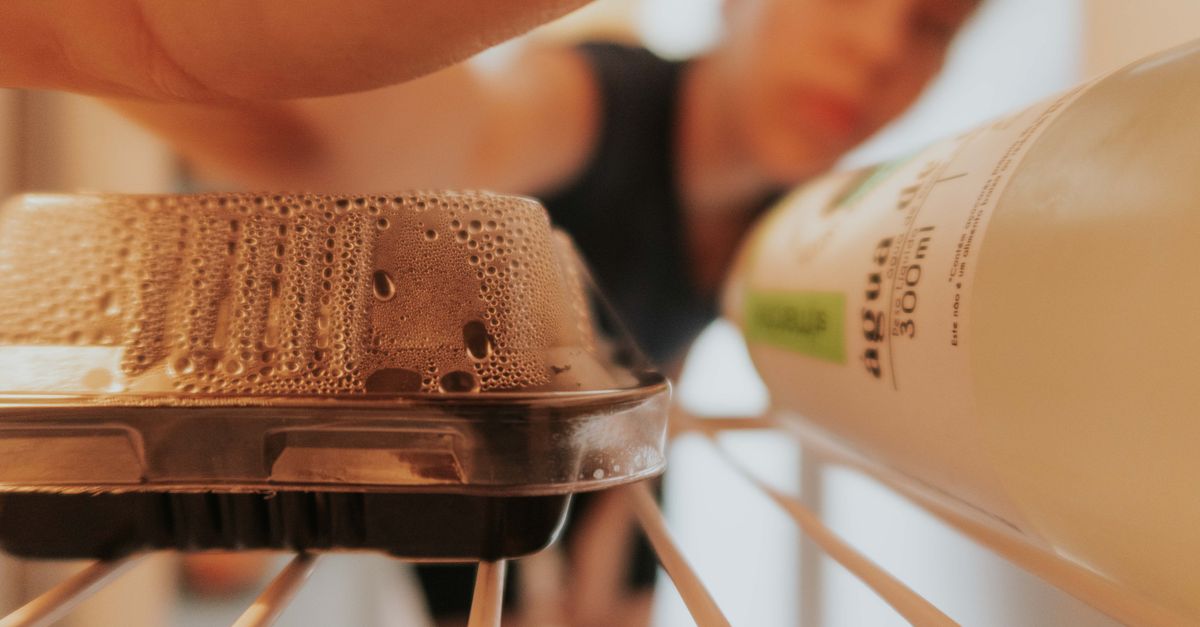
Food containers in a fridge

Reheating Leftovers Safely: Times, Temperatures and What Not to Rerun

Leftovers have a public relations problem: half the population treats them as biohazards after one night, the other half cheerfully reheats week-old curry for the third time. Both halves are wrong, and the actual rules are short enough to memorise. Cool it fast, fridge it for two days, reheat it once until piping hot. Everything else on this page is detail and exceptions. Free PDF ...

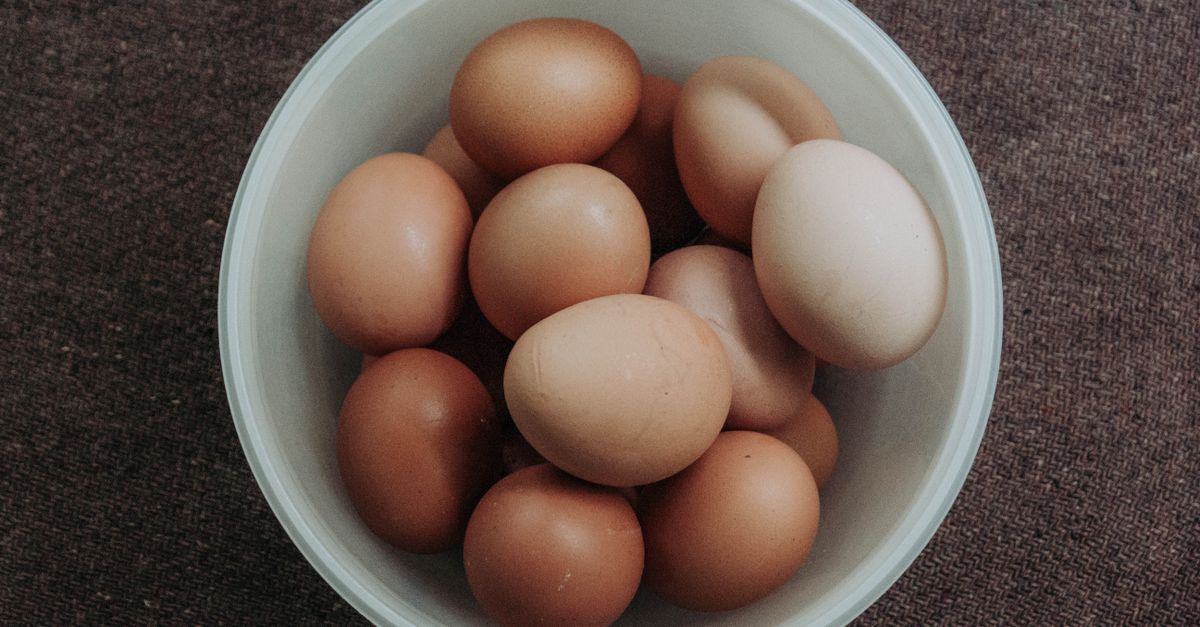
Fresh eggs in a bowl

How to Tell If an Egg Has Gone Off

Eggs are one of the few foods where the internet’s favourite freshness trick actually works, sort of, for reasons most articles get wrong. I go through a couple of dozen a week, and every so often a box surfaces from behind the yoghurt with a date that expired while we were on holiday. Here is how to judge them honestly: what the float test really shows, the one test that actually settles the question, and how to store eggs so you rarely need either. ...

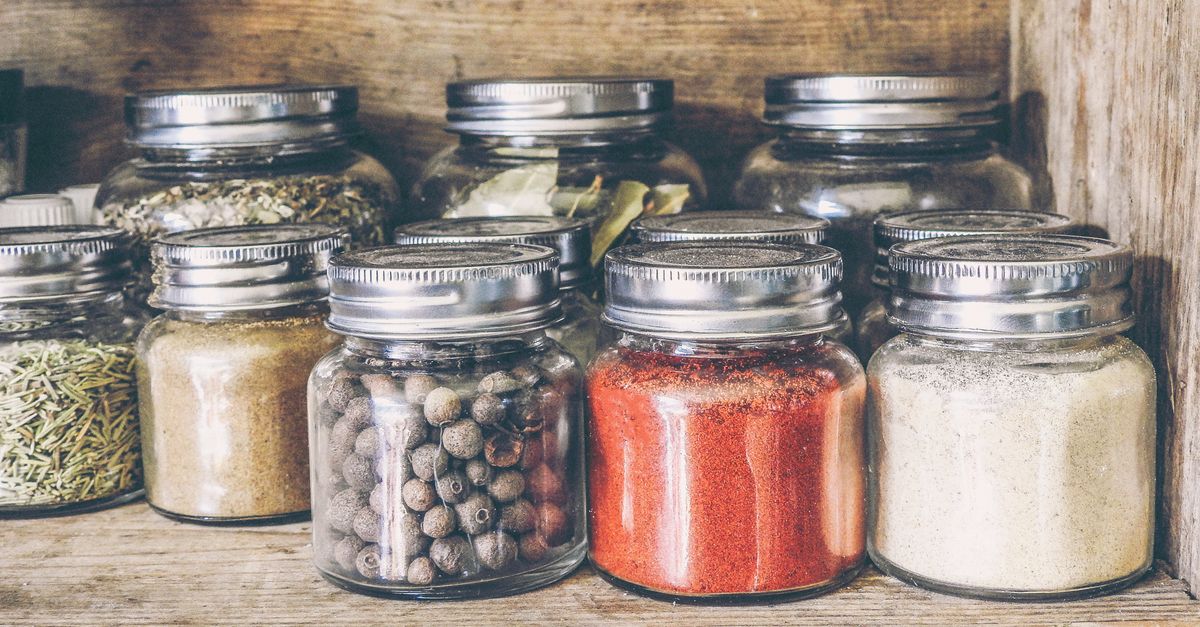
Spices in glass jars on a shelf

Storing Herbs and Spices So They Keep Their Punch

Almost nobody’s spices are off. They are just dead. A jar of ground coriander does not spoil in any safety sense; it simply loses the volatile oils that made it taste of anything, and what remains is beige dust that adds texture and false confidence to your cooking. If a curry made from a well-stocked spice cupboard tastes flat, the cupboard is the suspect, not the recipe. The good news is that spice storage is cheap and easy to fix, and fresh herbs, which genuinely do rot, respond to a couple of tricks borrowed from florists. ...