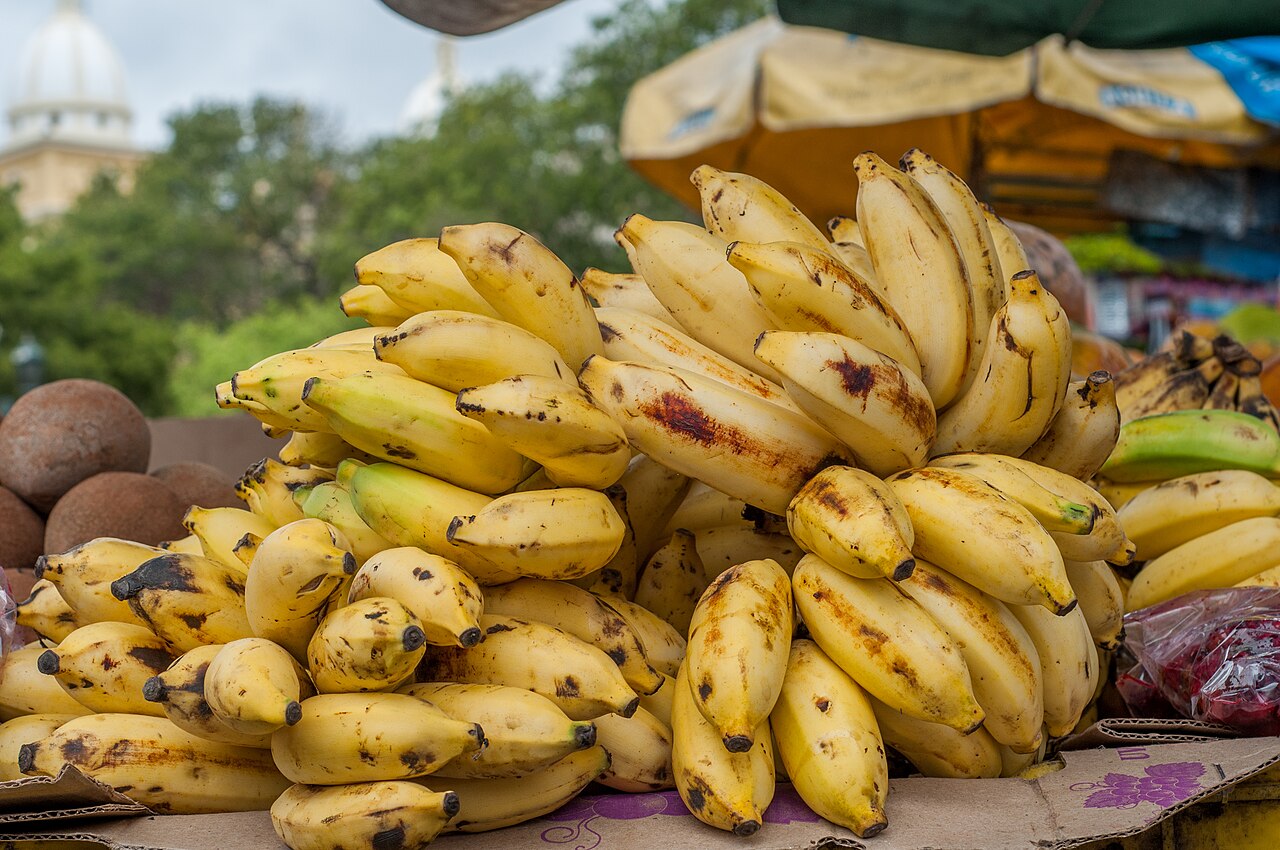
Bananas are the fruit I most reliably fail to eat in time. A bunch that looked perfect on Monday is speckled brown by Thursday and heading for the compost by the weekend, always faster than a busy week allows. For years I treated that as waste, until I worked out that the freezer turns those sad, over-ripe bananas into one of the most useful things in the house. So yes, you can absolutely freeze bananas, and you should. Here is how to do it properly, how long they last, and how to use them without ending up with a bag of brown mush you never touch.
Free PDF
Free Oven Temperature & Gas Mark Chart
A printable one-page conversion chart for your kitchen: degrees, fan, gas mark and the descriptions in between. Pop your email in and the PDF is yours, plus the odd straight-talking kitchen tip.
Free, unsubscribe any time. The download starts as soon as you sign up.
The short version
Yes, bananas freeze brilliantly. The single rule that matters: peel them first. Frozen-in-skin bananas turn the peel into a cold, stubborn wrapper that clings to the flesh and is a genuine nuisance to get off. Peel, portion however suits you, freeze on a tray so the pieces do not clump, then bag them up. They keep their quality for three to six months, and they go straight from the freezer into smoothies or into banana bread with no fuss.
Why bother freezing bananas
Two good reasons, and both save money. The first is rescue: instead of binning a bunch that ripened faster than you could eat it, you park it in the freezer at exactly the point it is best for baking. Over-ripe bananas, the ones gone soft and heavily freckled, are sweeter and more intensely banana-flavoured than firm yellow ones, which is why every decent banana bread recipe asks for them. Freezing catches them at their peak instead of letting that peak slide into rot.
The second is convenience. A freezer drawer of ready-portioned banana means a smoothie takes thirty seconds and a batch of muffins does not depend on whether the fruit bowl happened to cooperate this week. I almost never buy bananas specifically to freeze; I just freeze the ones we did not get round to eating, and there is always a bag on the go.
How to freeze bananas
Pick the format to match what you will actually use them for.
Whole (or in chunks), for smoothies and general use. Peel the banana, snap or cut it into two or three pieces if you like, and lay the pieces on a lined tray so they are not touching. Freeze until solid, a couple of hours, then tip them into a freezer bag or box. The tray step is worth the bother: freeze them in a bag from the start and they weld into one banana boulder you have to hack apart.
Sliced, for portioning and quick blending. Peel and cut into rounds about a centimetre thick, spread on a lined tray in a single layer, freeze until firm, then bag. Slices are handy because you can grab an exact amount, and they blend down fast.
Mashed, for baking. If you know these bananas are destined for bread or muffins, mash them now and freeze the mash. I spoon it into a tub, or into an ice-cube tray for pre-measured blobs, then bag the frozen cubes once solid. Loaf recipes tend to be written around a number of bananas, so it helps to jot the quantity on the bag: “3 bananas” or the weight. That way you are not guessing later. If a recipe asks for a different number than you have frozen, my recipe scaler will resize the whole thing to fit what is in the bag, and the ingredient converter handles the grams-to-cups side.
Whichever way you go, get as much air out of the bag as you can before sealing. Air is what causes freezer burn and stale, off flavours over time; squeezing it out keeps the bananas tasting like bananas.
How long do frozen bananas last?
For quality, three to six months is the honest window. They stay safe to eat frozen well beyond that, because freezing halts spoilage rather than reversing it, but the flavour and texture slowly fade and pick up freezer staleness, so I aim to use mine within about six months. Labelling the bag with the date saves the archaeological guesswork; there is a fuller table of how long everything else keeps in freezer storage times.
One thing freezing does not do is fix a banana that has already turned. If a banana is genuinely rotten, fermented, leaking or growing mould, the freezer will not rescue it; freeze fruit that is over-ripe but still sound, not fruit that is off. Over-ripe and freckly is perfect. Sour-smelling and weeping is for the bin.
Using frozen bananas
This is where the format you chose pays off.
In smoothies, use them straight from frozen. No thawing at all. Frozen banana is the trick behind a thick, cold, almost ice-cream-textured smoothie, and it means you can skip the ice cubes that water everything down. Straight into the blender they go.
For baking, thaw first. Let the pieces or the mash come round in the fridge overnight, or on the counter for an hour or two. Thawed banana looks alarming, grey-brown, sloppy and sitting in a puddle of its own liquid, but that is completely normal and does not mean it has gone bad. Do not pour that liquid away: stir it back in, because it is full of banana flavour and sweetness. Then mash and use as the recipe directs. Because thawed banana is wetter than fresh, some bakers drain a little of the excess or nudge the flour up slightly, but for a forgiving bake like banana bread I rarely bother.
Other uses. Frozen banana chunks blitz into a one-ingredient soft-serve that genuinely tastes like ice cream, and they drop into porridge or pancake batter without a thaw. It is a lot of mileage from fruit that would otherwise have been thrown away.
A quick note on refreezing: once you have thawed banana, use it rather than putting it back in the freezer. It will not poison you, but each freeze-thaw round makes the texture wetter and more tired, so you gain nothing and lose flavour. Portion at the freezing stage so you only ever take out what you need.
The short version, again
Bananas are one of the easiest wins in the freezer. Always peel before freezing, then choose your format: whole or chunked for smoothies, sliced for grab-and-blend, mashed for baking. Freeze on a tray first so nothing clumps, squeeze the air out of the bag, and use within about three to six months for the best flavour. Blend them straight from frozen, or thaw and stir the liquid back in for baking. It is the simplest way I know to stop half a fruit bowl going to waste. And on the day you reach for the frozen stash to bake and find you are short a banana, the baking substitutions guide will get you over the line.