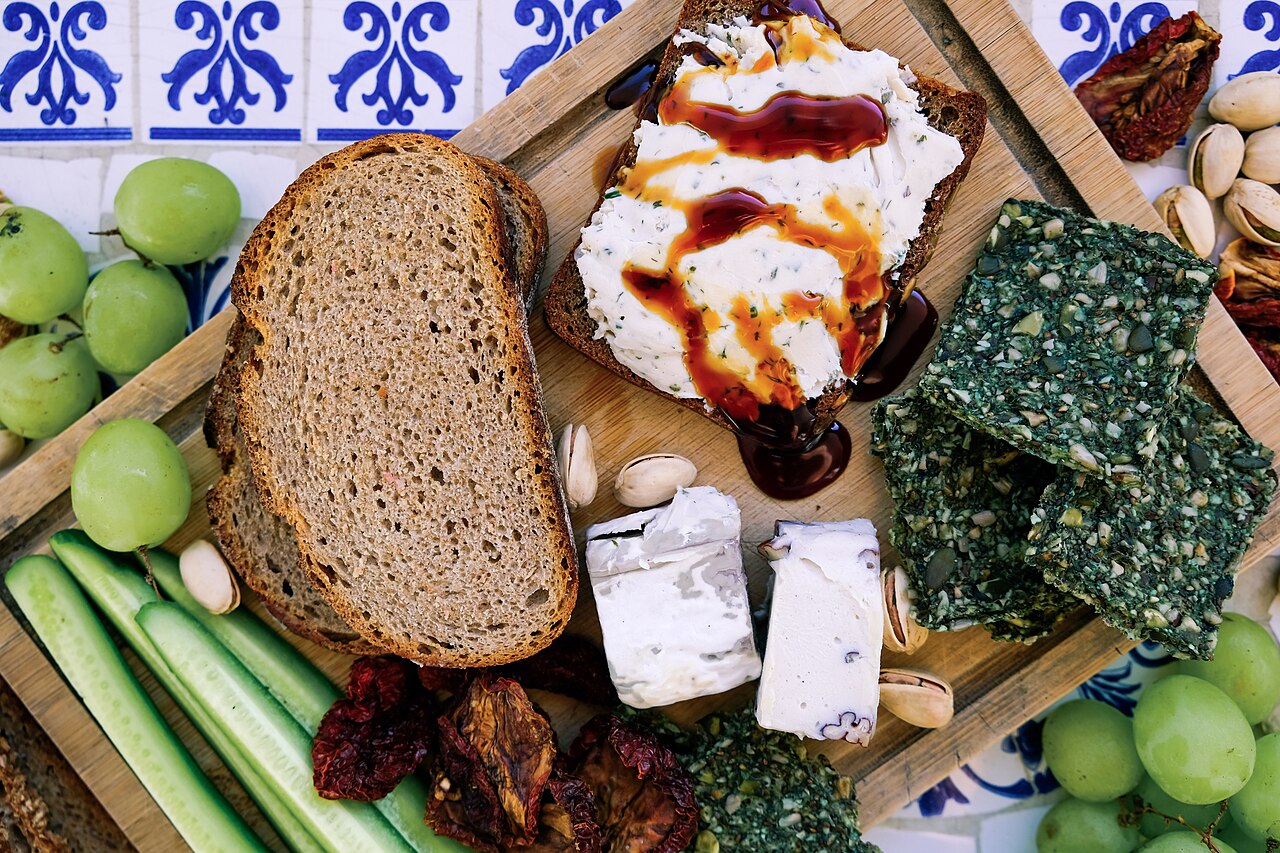
There is almost always cheese in my fridge, and it lives in that vague limbo where nobody can quite remember when it was opened. A wedge of cheddar hides at the back for a fortnight and comes out perfectly fine; a tub of cream cheese sits an extra week and turns into something I would not risk on toast. The confusing part is that “cheese” covers everything from a rock-hard lump of parmesan to a wobbly ball of mozzarella, and those two do not keep for anything like the same length of time. Here is how long each kind actually lasts in the fridge, what to do when you spot a patch of mould, and how to store it so you get to the end of the block.
Free PDF
Free Oven Temperature & Gas Mark Chart
A printable one-page conversion chart for your kitchen: degrees, fan, gas mark and the descriptions in between. Pop your email in and the PDF is yours, plus the odd straight-talking kitchen tip.
Free, unsubscribe any time. The download starts as soon as you sign up.
The short version
Roughly, and assuming a fridge running at 5C or below:
- Hard cheese, unopened (cheddar, parmesan, gouda, gruyere): several months, often right up to the best-before date and a little beyond.
- Hard cheese, opened: about three to four weeks.
- Semi-soft cheese (edam, havarti, young gouda): two to three weeks opened.
- Soft and fresh cheese (brie, camembert, mozzarella, ricotta, cream cheese, cottage cheese): around a week once opened, and these usually carry a use-by date you should stick to.
The pattern is simple once you see it. The more water a cheese holds, the friendlier it is to bacteria and the faster it goes. Hard cheeses are dry, salty and dense, which is exactly why they were invented: cheesemaking is, at heart, a way of keeping milk for months instead of days.
Hard cheese: the long-lasters
A block of cheddar or a wedge of parmesan is about the most forgiving thing in the fridge. Unopened, it will happily see out its best-before date. That date is a quality marker, not a safety cliff, which is the whole point of the difference between the two kinds of date; there is more on that in use-by vs best-before dates. A hard cheese a few days past its best-before, kept cold and wrapped, is a normal thing to eat, not a gamble.
Once you open it, the clock speeds up a bit because you have exposed a cut face to the air and to whatever is floating around your fridge. Opened hard cheese keeps its quality for three to four weeks. What you will usually notice first is not spoilage but drying: the cut edge goes hard, dark and waxy where it met the air. That is not dangerous. Trim the dried rind off and the cheese behind it is fine.
Grated and pre-shredded hard cheese is a different animal, though, and I treat it with more caution than a block. Shredding multiplies the surface area enormously, and bagged grated cheese is often dusted with an anti-caking agent rather than being purely cheese. It dries out and grows mould far quicker than a solid piece, so use it within the pack’s date and do not assume it lasts as long as the block it came from.
Soft and fresh cheese: the quick spoilers
Soft cheeses are a shorter story. Brie, camembert, fresh mozzarella, ricotta, cottage cheese and cream cheese are high in moisture, and moisture is what harmful bacteria need to grow. Most of them carry a use-by date rather than a best-before, and that is a deliberate signal: use-by is the safety date, and the Food Standards Agency is blunt that you should not eat food after its use-by date, even if it looks and smells perfectly fine. That is not fussiness. The bacterium the rule is really guarding against here is listeria, which grows happily at fridge temperatures and which you cannot see, smell or taste.
Once opened, plan on eating soft cheese within about a week, and sooner if the use-by date says so. Fresh mozzarella sitting in its ball of brine is best within a few days of opening the tub. If a soft cheese smells sour, ammoniac or yeasty, or the texture has gone slimy or unexpectedly wet, that is your cue to bin it rather than taste-test your luck.
Mould: cut it off, or bin the lot?
This is the question everyone actually wants answered, and the honest answer depends entirely on the cheese. I will not tidy it into a single cheerful rule, because the safe advice genuinely splits in two.
On hard cheese, you can rescue it. With cheddar, parmesan, gouda and the like, mould struggles to send its roots deep into that dense, dry body. Both the FSA and the USDA say you can cut the mould away: slice off at least 2.5cm (about an inch) around and below the mouldy spot, keeping the knife blade clear of the mould itself so you do not drag spores through the clean cheese. Re-wrap it in fresh paper and the rest is fine to eat.
On soft, crumbly, sliced or grated cheese, throw the whole thing out. Cream cheese, cottage cheese, ricotta, brie, and any shredded, sliced or crumbled cheese with mould on it goes in the bin, no cutting corners. In these wetter, looser cheeses the mould threads can spread through the whole piece even where you cannot see them, and worse, the same damp conditions that let the mould grow can also be harbouring bacteria such as listeria, salmonella or E. coli alongside it. Cutting the visible bit off does not make the rest safe.
The obvious exception is cheese where the mould is the point. The white bloom on a brie or camembert, and the blue veins in a stilton or roquefort, are cultures that were put there on purpose and are meant to be eaten. What you are watching for on those is unexpected mould: a patch of fuzzy grey, black or pink growth that is a different colour and texture from the intended rind or veining. On a soft bloomy cheese, that unexpected growth means bin it; on a hard blue, treat it like any other hard cheese and cut well clear of it.
Storing cheese so it lasts
A few small habits stretch a block’s life noticeably:
- Wrap it to breathe, not to suffocate. Cheese is alive and gives off a little moisture. Sealed tight in cling film it sweats and turns slimy; left open it dries to a brick. The sweet spot is greaseproof or waxed paper next to the cheese, then a loose bag or box around that. Waxed paper for the win.
- Keep it in the body of the fridge, not the door. The door is the warmest, most temperature-swingy spot, and cheese keeps best somewhere cold and steady, like the main shelf or a drawer. That advice holds for most perishables; see how long food lasts in the fridge for the wider picture.
- Use a clean knife. Cutting cheese with the same knife you just used on something else is a tidy way to introduce mould and bacteria to a fresh cut face.
If you have more than you can get through, cheese freezes better than people expect, especially hard cheese destined for cooking; I have written the whole method up in can you freeze cheese, along with which types survive the freezer and which come out crumbly. Thawing it slowly in the fridge is the way, as with most things; the general rules are in defrosting food safely, and the freezer times for everything else live in freezer storage times.
A note for pregnancy and vulnerable people
One group needs to be stricter than the rest of us. The NHS advises that during pregnancy you avoid mould-ripened soft cheeses with a white coating, such as brie, camembert and chevre, and soft blue-veined cheeses like Danish blue, gorgonzola and roquefort, unless they are thoroughly cooked all the way through. The reason is listeria again, which these cheeses can harbour, and which poses a real risk to an unborn baby. Hard cheeses such as cheddar and parmesan are fine, as are pasteurised soft cheeses like cottage cheese, mozzarella, feta, cream cheese and halloumi. The same extra caution is worth applying for older people and anyone with a weakened immune system.
The short version, again
Hard cheese is a keeper: months unopened, three or four weeks once you have cut into it, and a dried edge that trims off rather than a safety worry. Soft and fresh cheese is a here-and-now food: about a week open, respect the use-by date, and do not talk yourself past it. When mould turns up, cut it well clear on hard cheese and bin soft or grated cheese outright. Wrap it in paper, keep it cold and steady, and most of the time you will finish the block long before it ever thinks about turning. And if you are weighing a lump of it into a recipe rather than storing it, my ingredient converter will turn grams of grated cheese into cups and back.