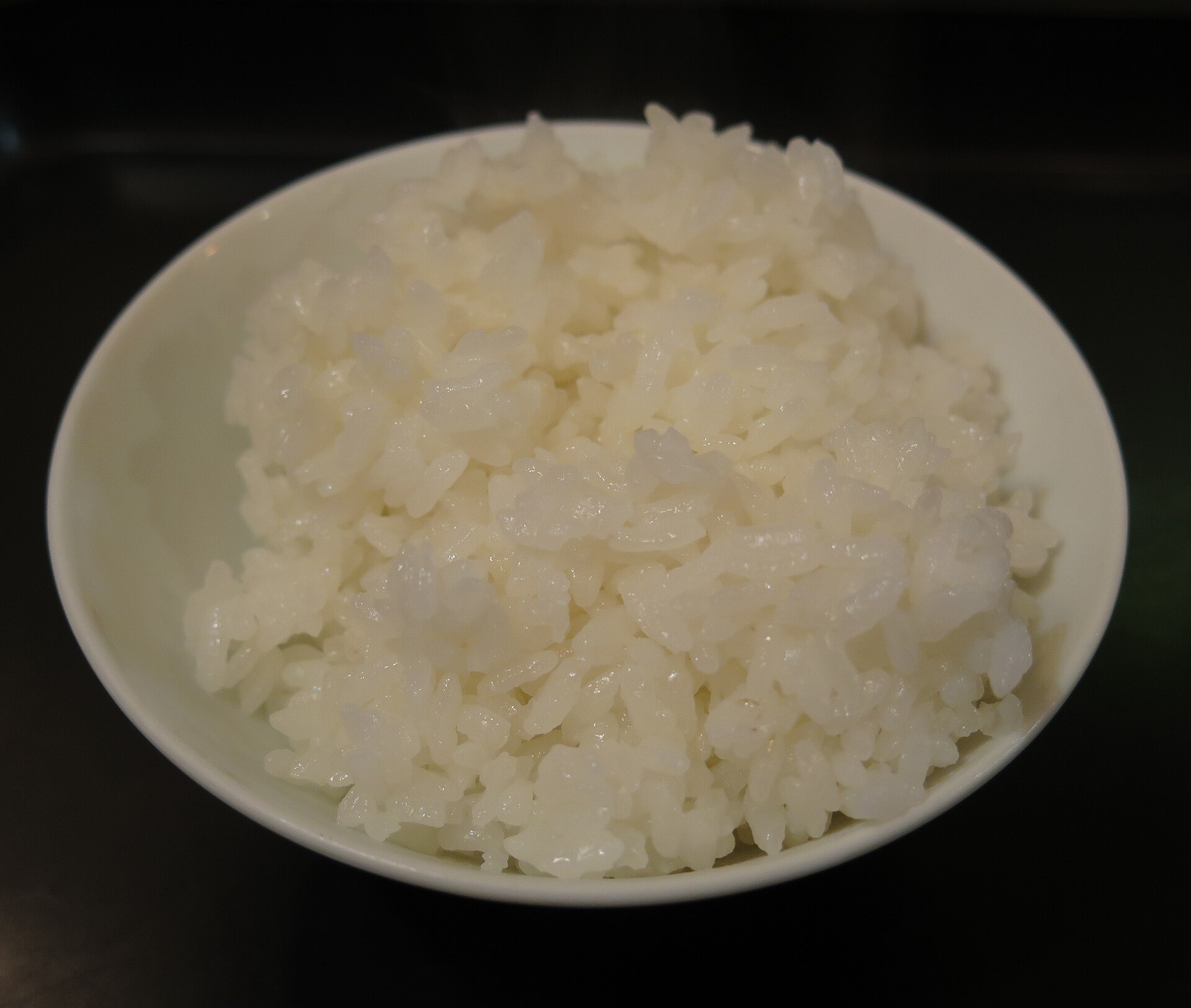
Yes, you can freeze cooked rice, and in my kitchen it has become the sensible way to deal with the fact that rice is almost impossible to cook in small amounts. The trick is not the freezing itself, which is easy. It is the hour before the rice goes in. Get that hour right and frozen rice is one of the most useful things in the freezer, a hot side dish in three minutes flat. Get it wrong and freezing will not save you, because the thing that makes leftover rice risky is not fixed by the cold.
Free PDF
Free Oven Temperature & Gas Mark Chart
A printable one-page conversion chart for your kitchen: degrees, fan, gas mark and the descriptions in between. Pop your email in and the PDF is yours, plus the odd straight-talking kitchen tip.
Free, unsubscribe any time. The download starts as soon as you sign up.
The one thing you have to understand first
Uncooked rice carries the spores of a bacterium called Bacillus cereus, and those spores survive cooking. You can boil rice as hard as you like and they are still there afterwards, entirely unbothered. This is not a sign of dirty rice or bad cooking; it is simply how the raw grain is, and it is true of nearly all rice.
The spores do nothing while they sit there. The problem starts when cooked rice is left standing at room temperature. Warm, damp, cooked rice is a perfect home, so the spores wake up, multiply into active bacteria, and some of them produce a toxin as they grow. The Food Standards Agency puts it plainly: the longer cooked rice is left at room temperature, the more likely it is that the bacteria will produce toxins that make the rice unsafe.
Here is the part people miss, and it is the whole reason I am careful. Freezing does not kill those spores, and neither freezing nor reheating destroys a toxin that has already formed. Cold stops the bacteria multiplying, but it cannot undo damage already done. So freezing is not a rescue for rice that has sat out all afternoon. It is a way of preserving rice that was safe when it went in. That distinction matters more here than for almost any other leftover.
The one-hour rule
The single number to remember is one hour. Cool cooked rice as fast as you can and get it into the freezer (or the fridge) within an hour of cooking. Inside that window there simply is not time for the bacteria to multiply to a level that matters. Let it drift past, and you are relying on luck rather than on the food being safe.
I do not leave the pan sitting on the hob to cool in its own time, which on a busy evening can take two or three hours. Instead I move fast to bring the temperature down:
- Tip the rice out of the hot pan straight away, since a deep pan of rice holds its heat for ages.
- Spread it thin. A wide, shallow tray or a couple of flat containers cool far quicker than one deep tub.
- Break up any clumps with a fork so the warmth can escape from the middle.
- If the kitchen is warm, sit the tray on a rack or over a bowl of cold water to hurry it along.
Once it is cool to the touch, it goes in. If you want the full picture on cooling and the fridge side of this, I have written it up separately in how long cooked rice really keeps.
How I freeze it
Portion first, then freeze. Rice freezes as a solid brick, so if you bag up a huge amount in one go you will be hacking at it later or defrosting far more than you need. I freeze in single or double portions, roughly a mug of cooked rice per person, in either freezer bags or small tubs.
Freezer bags are my favourite for rice. I spoon a portion into each bag, press it flat into a thin slab, push out the air and seal it, then lay the bags flat until they freeze solid. Flat slabs stack like books, take up almost no room, and reheat quickly because there is no dense centre to work through. Tubs work too and protect the rice from being squashed; just leave a little headroom and get the lid on tight.
Label everything with the date. Frozen rice looks much the same at one week and at three months, and a labelled bag saves you guessing. For the best texture I use frozen rice within about a month. It stays safe well beyond that in a properly cold freezer, but plain boiled rice slowly dries and turns a bit brittle with long storage, so a month is my sweet spot for quality.
Cooked rice freezes better than most people expect because the grains are already soft. White rice, basmati, jasmine and long-grain all come back well. Egg-fried rice and pilafs freeze fine too, though anything with a lot of added moisture or fresh veg can go a touch softer on reheating.
Reheating it safely
You can reheat rice straight from frozen, which is one of its charms. The rules are the same ones that apply to any rice, and they are not optional.
Heat it until it is steaming hot all the way through, not just warm round the edges. A splash of water helps the grains steam back to life rather than drying out, whether you use a microwave, a covered pan or a hot wok. In the microwave I stir it halfway and again at the end, because microwaves leave cold pockets and it is the cold middle that catches people out.
And the firm rule: reheat rice only once. The FSA is clear on this, and it is the point where I see people come unstuck. Do not warm a big bowl, eat half, and put the rest back for tomorrow. Take out the portion you actually want, heat that, and leave the rest frozen. Because each spell at room temperature is another chance for bacteria to grow, reheating over and over stacks the risk. One trip from freezer to plate, eaten hot, then done.
For the same reason, do not refreeze rice that you have thawed or reheated. If you have frozen it in sensible single portions in the first place, you will never need to.
When to just throw it out
None of this is about being anxious in the kitchen. It is about respecting one specific food that behaves differently from the rest. If you are ever unsure how long a batch sat out before it went in the freezer, or a bag has been in there far longer than you can account for, the cost of binning a cup of rice is nothing against the cost of a bad night. The tests here are simple: rice that was cooled fast, frozen promptly, reheated once until steaming and eaten straight away is rice I am happy to serve to anyone. Anything outside that, I let go without a second thought.
Rice is cheap. Peace of mind at the dinner table is not. That is the whole trade, and once the routine is second nature you stop thinking about it at all.
The short version
Freezing cooked rice is safe and genuinely handy, as long as the rice was safe going in. Cool it fast and freeze within an hour, portion it flat, use it within about a month for the best texture, reheat once until piping hot, and never refreeze it. Do that and a pan of rice on Sunday becomes four quick dinners through the week, which is exactly the kind of small win a busy kitchen runs on. If you want to nail the pan of rice in the first place, my method is in how to cook perfect rice, and the wider freezer timings live in freezer storage times.