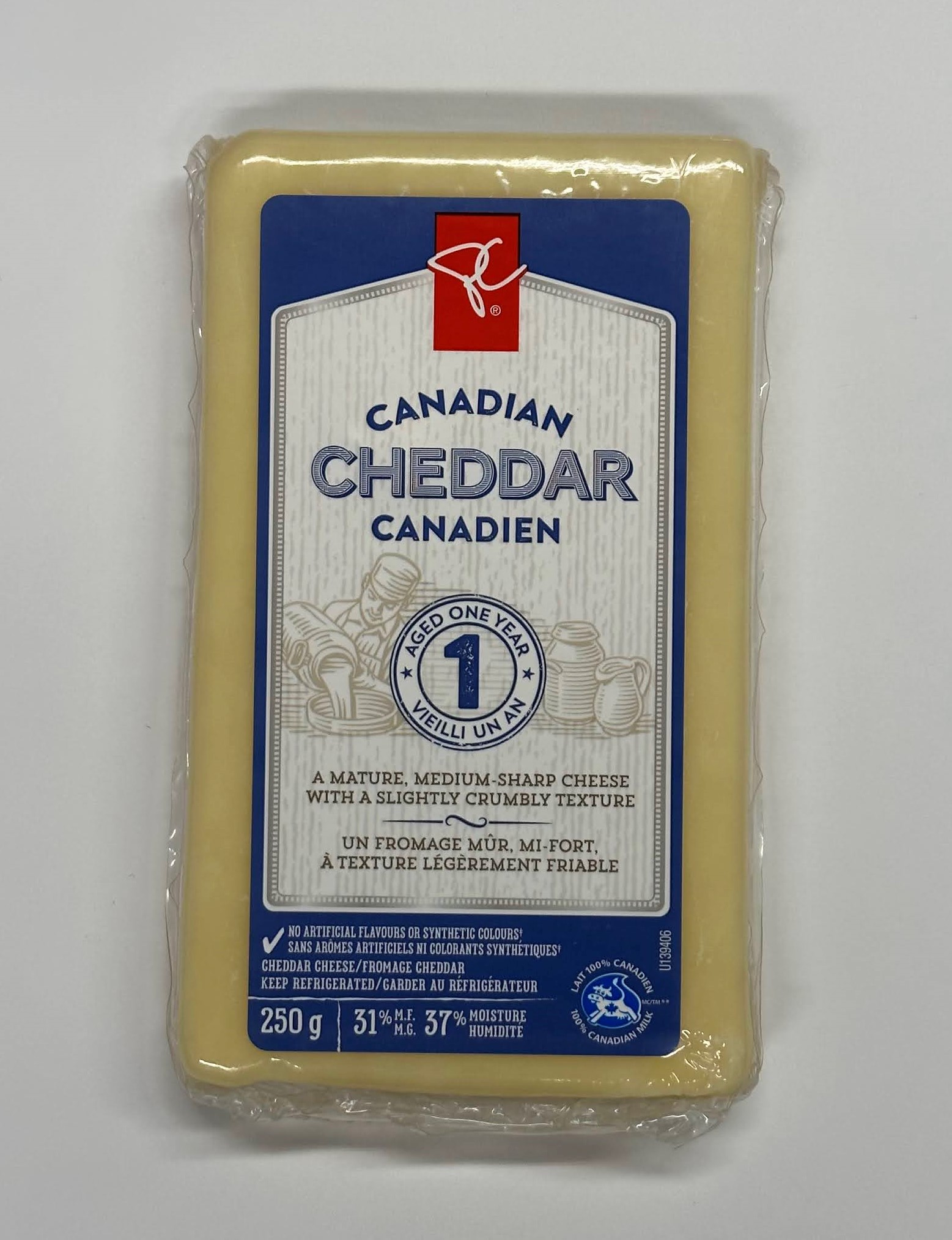
Cheese is the thing I always over-buy. A block of cheddar bought for one recipe, a wedge of something nice from the deli counter that felt like a good idea at the time, the tail end of a Christmas that produced more cheese than any household could reasonably eat. For years I assumed the freezer was off limits for all of it, so a fair amount ended up going hard and sad in the fridge. It turns out I was half right. Some cheese freezes beautifully. Some really does not. Knowing which is which has saved me a lot of waste, so here is the whole picture: what freezes well, what to leave alone, and how to do it so the cheese is still worth eating on the other side.
Free PDF
Free Oven Temperature & Gas Mark Chart
A printable one-page conversion chart for your kitchen: degrees, fan, gas mark and the descriptions in between. Pop your email in and the PDF is yours, plus the odd straight-talking kitchen tip.
Free, unsubscribe any time. The download starts as soon as you sign up.
Yes, you can freeze cheese
You can, and for a lot of everyday cheese it works well. Hard and semi-hard cheeses are the stars here, and a block of cheddar you freeze today will still make a perfectly good cheese sauce or a molten toastie in a couple of months’ time.
The catch is texture. Freezing forms tiny ice crystals inside the cheese, and those crystals break up its structure. When the cheese thaws, it lets go of some of that water and comes out a little drier and more crumbly than it went in. For hard cheeses this barely matters, especially once they are melted or grated into something. For soft, wet cheeses it matters a great deal, which is the whole reason some freeze and some do not.
So the honest headline is: freezing cheese is a quality trade, not a safety problem. Do it with the right cheeses and the trade is well worth it.
The cheeses that freeze brilliantly
Hard and semi-hard cheeses are the ones to reach for. Cheddar, Red Leicester, Gouda, Edam, Gruyère and the like all freeze well. They come out slightly firmer and more crumbly, but the flavour stays true and they behave themselves the moment heat is involved. If your plan for the cheese is cooking rather than a cheeseboard, these are exactly the ones you want in the freezer.
Parmesan and other hard grating cheeses freeze especially well because they are so low in water to begin with, so there is less moisture to turn to ice and less structure to wreck. A wedge of parmesan keeps for ages in the freezer and grates straight from frozen.
The single best cheese to freeze, in my experience, is grated cheese. It thaws in minutes, it does not clump into a solid lump, and you can throw it straight from the freezer into a sauce, a bake, a jacket potato or a pizza without waiting for it to defrost at all. If I have a block that needs using, I will often grate the whole thing and freeze it in a bag rather than freeze it whole. A trick worth knowing: toss the grated cheese with a spoonful of cornflour before it goes in the bag and it stays loose and free-flowing instead of setting into a brick.
The cheeses to leave out of the freezer
Soft, fresh and wet cheeses are the ones that suffer. These are the high-moisture cheeses, and all that water is exactly what turns to ice and then to a grainy, watery mess on thawing.
Cream cheese and cottage cheese are the worst offenders; they split into curds and liquid and never really come back together. Ricotta goes the same way. Fresh mozzarella, the soft kind that sits in a ball of brine, turns watery and loses the springy texture that is the entire point of it. Soft ripened cheeses like Brie and Camembert can technically be frozen, but they lose the creamy, oozing quality you paid for, so I would rather eat those fresh and freeze something else.
A couple of in-betweens are worth a note. Halloumi freezes reasonably well since you are going to fry it anyway, and any change in texture disappears in the pan. Blue cheese freezes but tends to come out more crumbly, which is fine if it is destined for a sauce or a dressing and less fine for a cheeseboard. The rule of thumb across all of it: the drier and harder the cheese, the better it freezes; the softer and wetter, the worse.
Get the food safety right first
This is the part not to skip. Freezing does not clean a cheese up or reset its life; it just presses pause on where the cheese already is. So freeze cheese while it is still within date, not as a last-ditch rescue after its use by date has passed. The Food Standards Agency is clear that you should not eat, cook or freeze food after its use by date, and cheese is no exception. Pop it in the freezer a day or two before that date, not a day after.
When you take it out, treat it as you would fresh cheese. Once thawed, use it within a few days, keep it in the fridge at 5°C or below while it defrosts, and do not refreeze it. Refreezing puts the cheese through the whole ice-crystal ordeal a second time, and the texture that survived the first round will not survive the second. If you want the fuller picture on defrosting anything safely, my guide to defrosting food safely covers the principles that apply here too.
For storage, cheese can safely stay frozen at minus 18°C for up to about six months, though I would aim to use it within two to three months for the best of it. Beyond that it is still safe, it just gets progressively drier and less pleasant.
How to freeze cheese so it is worth eating later
The method is simple, and doing it properly is the difference between usable cheese and a disappointment.
Portion it first. Cut a block into the sizes you will actually use, because you cannot easily hack a lump off a frozen brick and you do not want to thaw the whole thing to use a quarter of it. Grate what you plan to grate before freezing, for all the reasons above.
Wrap it tightly. Air is the enemy in a freezer; it dries cheese out and causes freezer burn. Wrap blocks closely in cling film or foil, then seal them inside a freezer bag or an airtight tub with as much air pressed out as you can manage. Label it with the type and the date, because a frozen wedge of hard cheese is genuinely hard to identify by sight once the frost sets in.
Freeze it quickly. Get it into the coldest part of the freezer and do not overload the freezer with a big warm batch all at once. The faster cheese freezes, the smaller those ice crystals stay, and the smaller the crystals, the less damage to the texture.
Thawing, and what to do with it
Always thaw cheese slowly in the fridge, ideally overnight or across 24 to 48 hours for a bigger block. Slow, cold thawing lets the cheese reabsorb as much of its moisture as it is going to, which keeps it as close to its original texture as possible. Rushing it at room temperature does the opposite, and it drifts the cheese into the warm zone where bacteria wake up, which you do not want with any dairy.
Once it is thawed, aim it at cooking rather than the cheeseboard. Frozen-then-thawed cheese shines in anything melted or baked, where a slightly crumblier texture vanishes completely: cheese sauces, macaroni cheese, toasties, pizza, gratins, jacket potatoes, quiche. Grated cheese, as mentioned, does not even need thawing for most of these. Save your fresh, un-frozen cheese for the times you are eating it cold and on its own, and let the freezer stock do the heavy lifting in the oven.
If you are scaling a cheesy bake up or down to match how much you have defrosted, the recipe scaler and the ingredient converter take the guesswork out of the quantities, and for anything going in the oven the oven temperature converter sorts out the gas mark and fan questions. For the wider question of how long things keep in the freezer in the first place, freezer storage times has the full list, and if it is milk rather than cheese piling up, freezing milk is its own small rescue.
The short answer
Yes, freeze cheese, but be choosy about it. Hard and semi-hard cheeses like cheddar and parmesan freeze well and grated cheese freezes best of all, going straight from freezer to pan. Leave the soft, wet cheeses, cream cheese, cottage cheese, ricotta and fresh mozzarella, out of it, because they turn watery and grainy. Freeze it before the use by date, wrap it tightly, thaw it slowly in the fridge, use it for cooking, and do not refreeze it. Do that and the block you almost binned becomes next month’s cauliflower cheese.