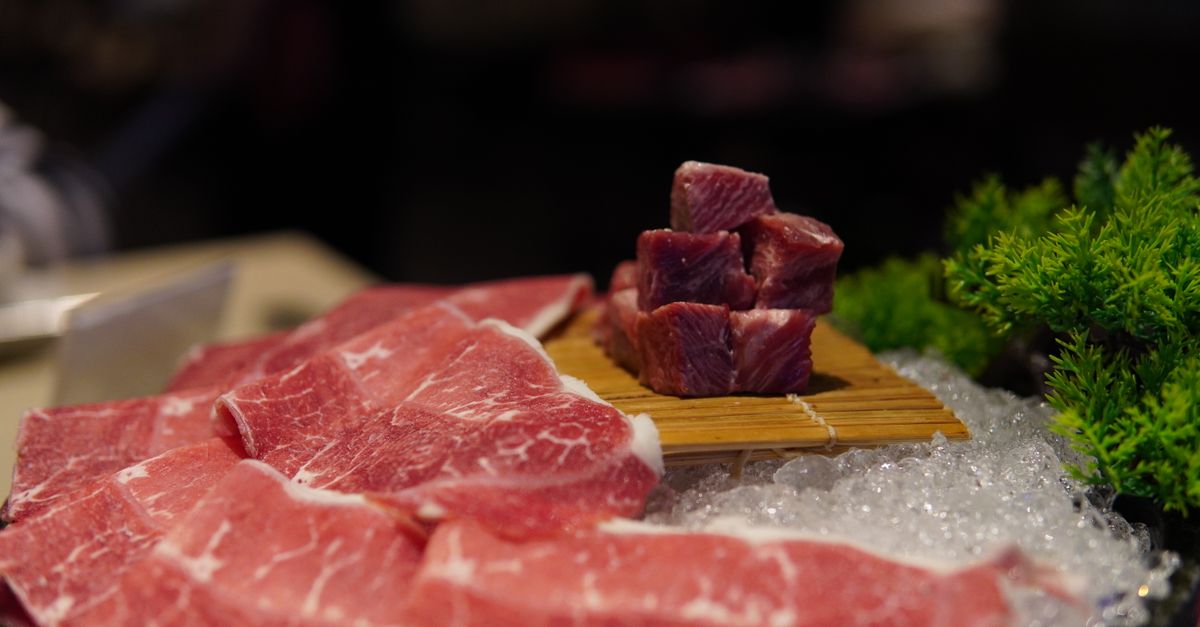
Defrosting is where freezer discipline goes to die. People will carefully label and date everything going into the freezer, then take a chicken out at 8am and leave it on the counter until dinner. The freezer keeps food safe by stopping bacteria growing; defrosting is the process of handing that food back to the bacteria, and how you do it decides how big a head start they get.
There are exactly three safe methods. Everything else, including the counter, the radiator, the airing cupboard and the bowl of hot water, is a gamble with worse odds than people think.
Free PDF
Free Oven Temperature & Gas Mark Chart
A printable one-page conversion chart for your kitchen: degrees, fan, gas mark and the descriptions in between. Pop your email in and the PDF is yours, plus the odd straight-talking kitchen tip.
Free, unsubscribe any time. The download starts as soon as you sign up.
The danger zone, briefly
Bacteria multiply fastest between 8°C and 63°C (46°F and 145°F), with the sweet spot around room temperature. Food should not spend more than two hours total in that range, and that clock includes prep time, serving time and the trip home from the shop, not just the defrost.
The problem with counter defrosting is not that it fails to thaw the food. It thaws it fine. The problem is that the outside of a frozen chicken reaches room temperature hours before the middle finishes thawing, so the surface sits in the danger zone all afternoon while you wait for the core. By the time the centre is thawed, the outside has had a five hour bacterial party. Cooking kills bacteria, but some of them leave toxins behind that cooking does not touch.
Method 1: the fridge (best, needs planning)
Move the food from freezer to fridge and let it thaw at a safe temperature the whole way. The food never enters the danger zone, and if your plans change, most food thawed this way can go straight back in the freezer (more on that below).
The catch is time. Realistic fridge thawing times at 4°C:
| Item | Fridge thawing time |
|---|---|
| Minced meat, sausages, chicken pieces (500g) | 12 to 24 hours |
| Steaks, chops, fish fillets | 12 to 24 hours |
| Whole chicken (1.5kg) | 24 to 48 hours |
| Large joint or whole turkey | 24 hours per 2 to 2.5kg |
| Bread, cakes | a few hours (counter is fine for these) |
| Soups, stews, cooked leftovers | 24 hours |
Put the food on a plate or in a dish on the bottom shelf so raw juices cannot drip onto anything else. Once thawed, raw meat and poultry keep one to two days in the fridge before cooking, the same as fresh; the wider timings are in how long food lasts in the fridge.
Method 2: cold water (faster, needs attention)
Seal the food in a leakproof bag (a zip bag with the air squeezed out, or its vacuum packaging), submerge it in cold tap water, and change the water every 30 minutes. Cold means cold: the water should stay below about 10°C, which is why you change it rather than letting it drift up to room temperature.
This is much faster than the fridge because water conducts heat about 25 times better than air. A 500g pack of chicken thighs thaws in under an hour; a 1.5kg chicken takes two to three hours. Cook the food promptly once thawed, and do not refreeze it raw.
Do not use warm or hot water. Yes, it is faster still, and yes, it puts the surface of the food straight into the danger zone while the middle is still frozen. It is the counter method with extra steps.
Method 3: the microwave (fastest, cook immediately)
Every microwave has a defrost setting, which is just low power cycled on and off so the heat has time to spread inward without cooking the edges. It works, with two caveats.
First, it thaws unevenly. Turn or rearrange the food halfway through, and separate pieces (chicken thighs, sausages) as soon as they will come apart. Second, parts of the food will get warm, which means they have entered the danger zone. Food defrosted in the microwave must be cooked immediately, not put back in the fridge for later.
As a rough guide, 500g of mince takes 8 to 10 minutes on defrost, checked and broken up every few minutes. Consult your microwave’s manual for weights and times; power ratings vary enough that generic times are only a starting point.
Or skip defrosting entirely
Plenty of food cooks perfectly well from frozen, and for some things it is actually better:
- Vegetables: always cook from frozen. Thawed frozen veg is mush.
- Thin fish fillets, prawns: cook from frozen or thaw in minutes in cold water.
- Mince for a sauce: brown it from frozen, scraping off the thawed layer as you go. Slower, but fine.
- Bread: toast from frozen, slice for slice.
- Steaks and chops: can be cooked from frozen with a longer, gentler approach; check doneness with a thermometer using the targets in meat doneness temperatures.
The one thing you should not cook from frozen without checking the label is a large joint or a whole bird, because the outside overcooks long before the centre reaches a safe temperature. Products sold as “cook from frozen” have instructions written for exactly that; follow them.
Refreezing: the actual rules
The belief that “you can never refreeze thawed food” is half right. The real rule is about temperature history, not about freezing itself.
- Thawed in the fridge, still cold: safe to refreeze raw. Quality drops (ice crystals damage texture, so expect drier meat), but safety is fine.
- Thawed by cold water or microwave: cook it first. You can then freeze the cooked dish.
- Thawed raw, then cooked: freezing the cooked result is fine. Raw frozen mince, thawed, cooked into a bolognese, frozen again is a perfectly safe and normal chain.
- Left out too long or you’re not sure: bin it. No method redeems food that spent the afternoon warm.
That cook-then-refreeze rule is the escape hatch most people do not use. Thawed too much chicken? Cook it all tonight and freeze the extra as a ready meal; the rules for the cooked leftovers are in reheating leftovers safely. How long the results keep is covered in freezer storage times.
The habits that make this easy
Defrosting safely is a planning problem, not a skill problem. Freeze things flat and in portions (a flat 500g bag of mince thaws in a fraction of the time of a frozen brick), move tomorrow’s dinner to the fridge when you cook tonight’s, and keep a bag of prawns or thin fillets in the freezer for the days you forgot. The fridge method costs nothing but foresight, and the cold water method covers you when the foresight fails.
This article is general guidance, not professional food safety advice; when in doubt, throw it out.