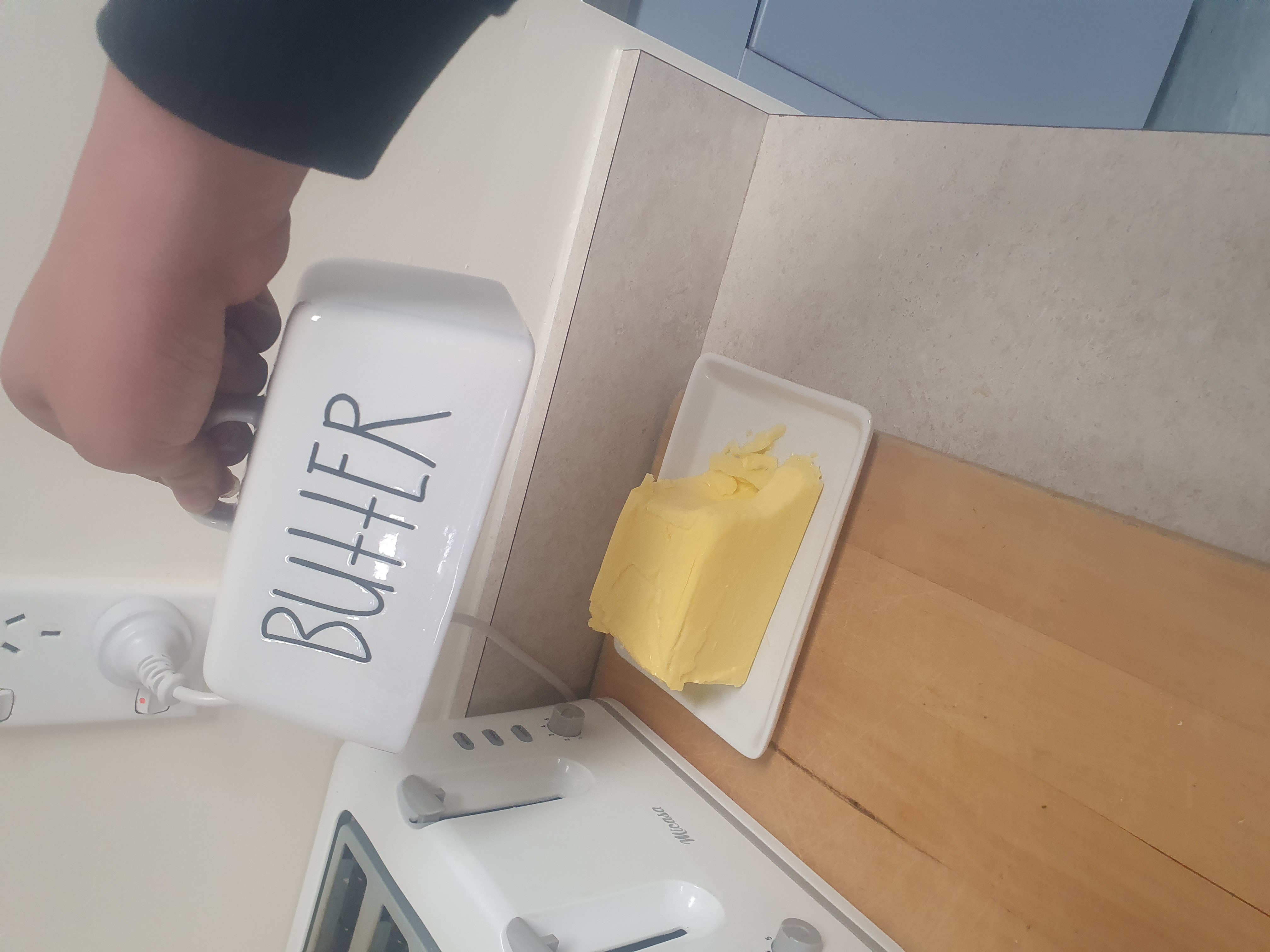
Butter is one of those things I buy on offer and then find I have five blocks of, which is a lovely problem until the fridge runs out of room and the dates start creeping up. For years I did not think of the freezer as somewhere butter belonged, but it turns out butter is about as freezer-friendly as food gets. It freezes solid without any real change to how it behaves, it keeps for months, and it comes back exactly as it went in. So yes, you can absolutely freeze butter, and if you ever stock up when it is cheap you probably should. Here is how long it lasts, the small difference between salted and unsalted, and how to do it so you barely notice it was ever frozen.
The short version
Butter freezes exceptionally well. Its high fat content and low water content mean there is very little in it to be damaged by freezing, so unlike a lot of dairy it comes out of the freezer with its texture and flavour intact. There is no clever technique to learn and no quality trade to weigh up. It is genuinely one of the most reliable things you can put in a freezer.
Salted butter keeps a little longer than unsalted because the salt acts as a mild preservative. Both last for months. The only real job is wrapping it well so it does not pick up freezer smells or dry out, and knowing how to thaw or use it once it is frozen.
How long frozen butter lasts
In the freezer, running at around minus 18°C, butter keeps its quality for a good long while. Salted butter holds up for up to around nine months, and unsalted butter for up to around five to six months. The salt is the reason for the gap: it slows down the processes that eventually turn butter stale and rancid, so a salted block simply has a longer good life in the cold.
Those are quality windows rather than hard safety cut-offs. Freezing keeps food safe more or less indefinitely, so butter frozen for longer than the times above will not be dangerous. What happens instead is that the fats slowly oxidise even at freezer temperatures, and butter that has been frozen too long can develop the flat, faintly cardboard, off taste of rancidity. That is a flavour problem, not a food-poisoning one, but it is a good enough reason to keep an eye on the dates and work through your stash rather than let it sit for a year.
For comparison, unfrozen butter lasts a few weeks in the fridge, so freezing turns a short window into a long one. My guide to how long butter lasts covers the fridge and countertop side of things in full if that is the question you actually have.
Salted, unsalted and how to tell if it has turned
The practical upshot of the salted-versus-unsalted difference is small but worth knowing. If you are buying butter specifically to freeze and stock up, salted gives you a longer runway. If you bake a lot and prefer unsalted so you can control the salt in a recipe, freeze it by all means, just use it a bit sooner and label it clearly so you are not guessing later.
Whatever you freeze, check it when it comes out. Good butter, frozen and thawed, looks pale gold and smells clean and creamy, exactly as it did going in. Butter that has gone rancid smells sour, cheesy or a bit like old oil, and may look darker or blotchy at the edges. Trust your nose here: rancid butter will not poison you, but it tastes unpleasant and will taint anything you cook with it, so if it smells off it is not worth using.
How to freeze butter properly
The method is about as simple as it gets, and the one thing that matters is keeping air and odours out.
Freeze it in its original wrapper. Butter comes wrapped in foil or greaseproof paper for a reason, and that wrapping is a perfectly good first layer. For anything more than a week or two, add a second layer to be safe: pop the wrapped block inside a freezer bag or an airtight tub with the air pressed out. Butter readily takes on the smells of a freezer, and a strong-smelling freezer full of fish or garlic can leave its mark on an unprotected block, so the extra layer is worth the ten seconds it takes.
Freeze it in usable amounts. A whole block is fine if you get through butter quickly. If you do not, cut it in half before freezing, or slice it into portions, because you cannot easily carve a lump off a rock-hard frozen block. For baking especially, freezing butter already cut into tablespoon-sized pieces or weighed portions saves a lot of faffing later.
Label it with the type, salted or unsalted, and the date it went in. Frozen butter is impossible to tell apart by sight, and the salted-unsalted distinction matters enough in baking that you do not want to be guessing.
Thawing and using frozen butter
For most uses, thaw butter overnight in the fridge, which brings it back gently and keeps it cold and safe the whole time. A block moved from freezer to fridge in the evening will be ready to spread or bake with by the morning, give or take. Once thawed, treat it like normal fridge butter and use it within its usual few weeks. There is no need to refreeze it, and I would not.
If you are in more of a hurry, you have a couple of good options that skip the wait entirely. For baking, cold butter is often exactly what you want: frozen butter grates straight from the freezer on the coarse side of a box grater, and grated frozen butter is a genuine trick for pastry, scones and crumble, where cold butter worked quickly gives you the flakiest result. For cooking, you can drop a frozen knob straight into a hot pan and it melts in seconds. The one thing frozen butter will not do is spread on toast, so if it is breakfast you are after, that one needs the overnight thaw.
Softening frozen butter fast for a cake is trickier, since you want it soft but not melted. Grating it and leaving the shreds out for a few minutes gets you there quicker than waiting on a whole block. If you bake by weight and need to portion a part-thawed block, the ingredient converter turns grams into tablespoons and back, and the recipe scaler sorts out the quantities if you are sizing a bake up or down. For anything going in the oven afterwards, the oven temperature converter handles the gas mark and fan questions.
A note on other dairy and the wider freezer
Butter is the easy one; a lot of dairy is fussier. Soft cheeses, cream and milk all behave differently in the freezer, some well and some not, so it is worth knowing which is which before you commit a shelf to them. My guides to freezing cheese and freezing milk cover those, and if you are trying to work out how long anything else keeps once it is in there, freezer storage times has the full list in one place.
One rule holds across all of it: freezing pauses food where it already is, it does not reset the clock. Freeze butter while it is still in good condition and within date, not as a last-ditch save for a block that is already turning. A block put in fresh comes out fresh; a block put in already on the turn comes out no better than it went.
The short answer
Yes, freeze butter, and it is one of the best things you can freeze. Salted keeps for up to around nine months and unsalted for five to six, both for quality rather than safety, so wrap it in a second layer against freezer smells, portion it, label it salted or unsalted with the date, and store it at minus 18°C. Thaw it overnight in the fridge for spreading, or grate it straight from frozen for pastry and drop it into a hot pan for cooking. Freeze it while it is still good, use it before it turns stale, and that stack of on-offer blocks stops being a fridge-space problem and becomes months of butter in hand.