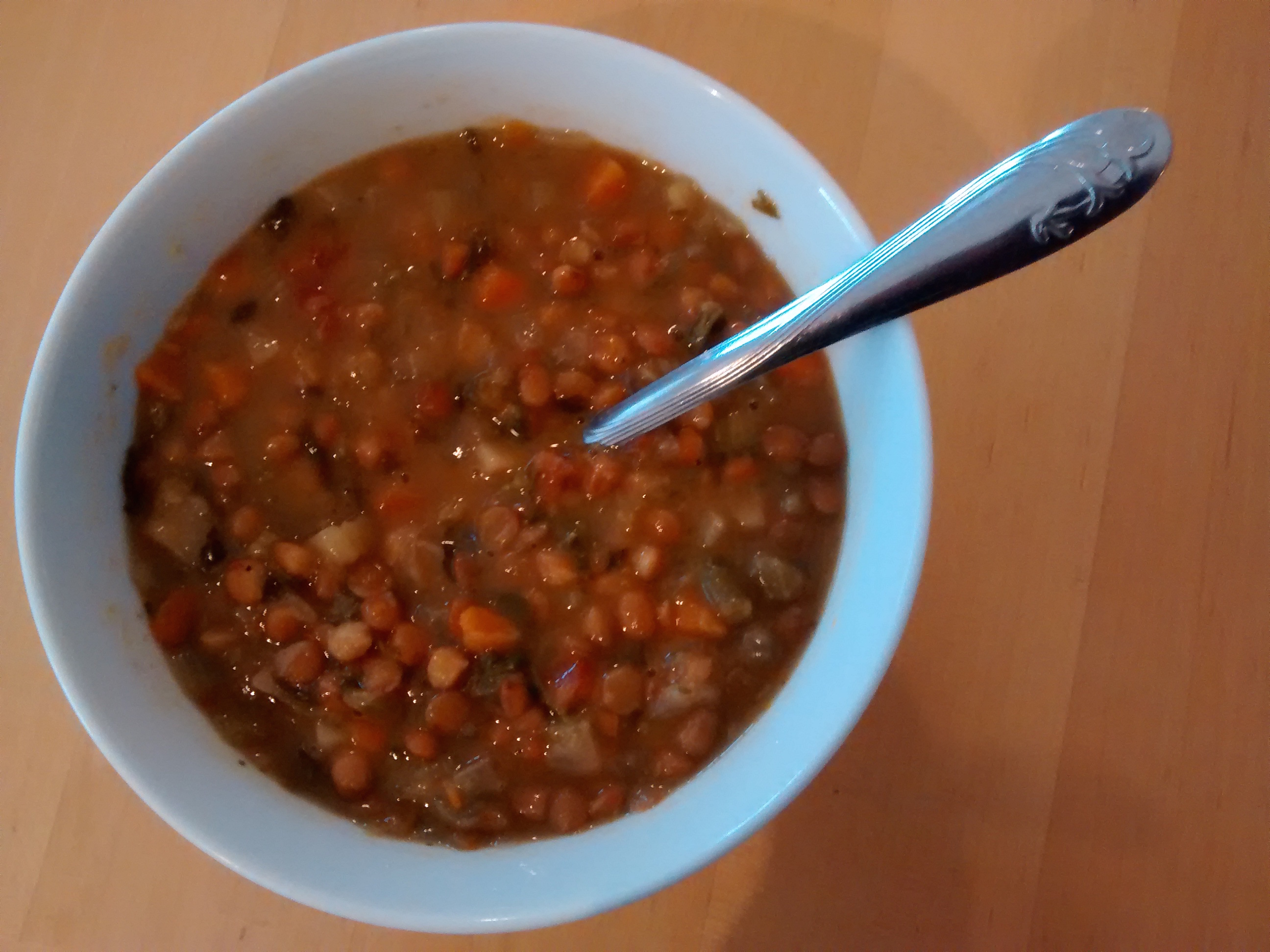
Soup is the meal I make in far bigger quantities than any one dinner needs, and that is entirely on purpose. A big pot on a Sunday costs the same effort as a small one, and if I freeze the extra properly I have bought myself three or four dinners that heat up in the time it takes to butter some bread. So yes, you can freeze soup, and it is one of the things the freezer does best. The only parts worth getting right are how you cool it before it goes in, which handful of soups need a small tweak, and how to store it so what comes out still tastes like what went in. Here is the whole method.
The short version
Most soups freeze brilliantly. Broth-based soups, vegetable soups, lentil and bean soups, minestrone, chunky winter soups and anything you have blended smooth all come out of the freezer as good as they went in, or close enough that you would never know. They keep well for around three months for the best flavour, and they are safe for longer than that.
The two things to watch are cooling the soup down quickly before it goes in the freezer, which is a genuine food-safety point and not just fussiness, and being a little careful with soups that contain cream, milk or potato, which can change texture. Neither is a reason not to freeze soup. They are just the details that separate a good result from a disappointing one.
Cool it down first, and do it quickly
This is the part not to skip, because it is the bit that actually matters for safety rather than taste. A hot pot of soup left sitting on the hob or slid straight into the fridge cools far too slowly through the middle, and the warm zone in between is exactly where harmful bacteria multiply fastest.
The Food Standards Agency guidance is to cool cooked food at room temperature and get it into the fridge or freezer within one to two hours. The trick to hitting that window with a big pot is to break the job up. Divide the soup into smaller portions in shallow containers rather than leaving it as one deep vat, because a wide, shallow layer loses its heat far quicker than a tall column of soup that stays warm in the centre for hours. If you are in a real hurry, sit the pot in a sink of cold water with some ice in it and stir now and then, and it will drop in temperature noticeably faster.
Once the soup is cooled, portion it up, seal it, and freeze it as soon as you can. Do not leave cooled soup hanging about at room temperature waiting for you to get round to it.
The soups that freeze without a second thought
The vast majority of what you are likely to make. Broth and stock-based soups freeze perfectly. Vegetable soups, whether chunky or blended smooth, are ideal freezer candidates. Lentil, split pea, bean and chickpea soups freeze superbly and often taste even better after a few days as the flavours settle. Tomato soup, minestrone, carrot and coriander, butternut squash, leek and the whole family of blended veg soups all belong in this group.
Puréed soups have a small advantage here: because they are already smooth, there is no chunky texture to break down, so freezing and thawing has almost nothing to spoil. If you want the most reliable freezer soup of all, blend it before it goes in.
The soups that need a small tweak
A few ingredients do not love the freezer, and knowing which they are lets you work around them rather than avoid the soup altogether.
Cream and milk are the main ones. Dairy tends to split when frozen and thawed, leaving a soup that looks curdled or grainy even though it is perfectly safe. The fix is simple and worth building into how you cook: make and freeze the soup as its base, without the cream or milk, then stir the dairy in when you reheat it. A stick blender through a slightly split creamy soup will often bring it back together too, so it is rarely a disaster, but leaving the dairy out until serving is the cleaner route.
Potato is the other one to watch. Chunks of potato in a soup can turn grainy or a touch mealy after freezing. It bothers no one in a blended soup where the potato is puréed smooth, so this is really only a note for chunky soups that lean heavily on potato pieces. Pasta and rice are worth a mention too: they carry on absorbing liquid and soften, so a soup full of pasta can come out of the freezer bloated and mushy. For soups like minestrone I cook and freeze the soup without the pasta and add fresh pasta when I reheat, which takes minutes and keeps it from going stodgy.
None of this stops you freezing these soups. It just means adding the fragile bits at the end rather than the start.
How to freeze soup so it stays good
Portion it the way you will use it. Single servings, a two-person dinner, a family-sized batch, whatever matches how you eat, because you cannot easily take half a frozen block. Freezing in the right portions saves you thawing more than you need and then facing the question of whether to refreeze the rest, which you should not do.
Leave a gap at the top of the container. Liquids expand as they freeze, and a soup filled to the brim will push the lid off or crack the tub. A couple of centimetres of headroom sorts it.
Use containers or bags that seal properly. Airtight tubs are easy to stack and reuse. Freezer bags laid flat freeze into thin slabs that stack like books and thaw fast, which is my preferred method for anything blended. Whatever you use, get as much air out as you can, because air is what causes freezer burn and dulls the flavour over time. Label everything with what it is and the date, because one frozen orange soup looks much like another once the frost sets in, and a mystery tub tends to stay a mystery until it goes in the bin.
Get it into the coldest part of the freezer, which should be running at around minus 18°C.
How long frozen soup lasts
Freezing keeps food safe more or less indefinitely, so the times below are about quality, not safety. Soup will not become dangerous at the three-month mark; it just slowly loses its best flavour and freshness after that.
For the best of it, use frozen soup within about three months. It is still perfectly good for longer, but broth-based soups can taste a little flat and blended ones a touch tired once you are past three or four months. I aim to work through the freezer stock within a season, which keeps everything tasting the way it should.
Once you have thawed soup, treat it like any fresh leftover. Keep it in the fridge, which should sit between 0 and 5°C, and eat it within a few days. Do not refreeze soup that has thawed, which is another reason to freeze it in sensible portions in the first place. For the wider picture on how long different things keep frozen, freezer storage times has the full rundown, and how long food lasts in the fridge covers the thawed-and-in-the-fridge side.
Thawing and reheating
The safest way to thaw soup is overnight in the fridge, which keeps it cold the whole time it is coming back to liquid. If you have forgotten to do that, you can reheat many soups straight from frozen in a pan over a low heat, stirring often and adding a splash of water if it needs loosening, or defrost it in the microwave and then heat it through. A thin slab frozen flat in a bag thaws especially fast.
However you get there, reheat soup until it is piping hot all the way through and steaming. The FSA advice for soups, sauces and gravies is to bring them to a rolling boil, and boiling is the easiest way to be sure the whole pot has got properly hot rather than just the edges. Reheat soup only once. If you have thawed and heated a batch, eat what you have warmed and do not put the rest through another cycle. My guide to reheating leftovers safely goes into the reheat-once rule in more detail, and defrosting food safely covers the thawing side for everything else in the freezer.
If you are scaling a soup recipe up to build a proper freezer stash, the recipe scaler does the multiplying for you, and the ingredient converter sorts out the cups-to-grams and millilitre questions that always crop up when you double a batch.
The short answer
Yes, freeze soup, and make extra on purpose so you can. Cool it quickly and get it into the freezer within a couple of hours, portion it in sealed containers with a little headroom for expansion, and use it within about three months for the best flavour. Leave the cream, milk and pasta out until you reheat, be a little wary of chunky potato, and thaw it in the fridge or straight into a pan. Reheat it to a rolling boil, only once, and a Sunday afternoon’s cooking quietly turns into a fortnight of easy dinners.