Can You Freeze Strawberries? (The Open-Freeze Trick)

Yes, you can freeze strawberries, and it is one of the best ways to save a punnet that is about to turn. The trick is to open-freeze them, spread out on a tray, before you bag them up, so they freeze as loose individual berries instead of one solid lump. The one thing to be honest about: they do not come back the same. Freezing bursts the cells, so thawed strawberries are soft and a bit weepy rather than firm. That makes them brilliant for smoothies, jam, crumbles, sauces and baking, and poor for topping a pavlova. Here is exactly how I do it. ...
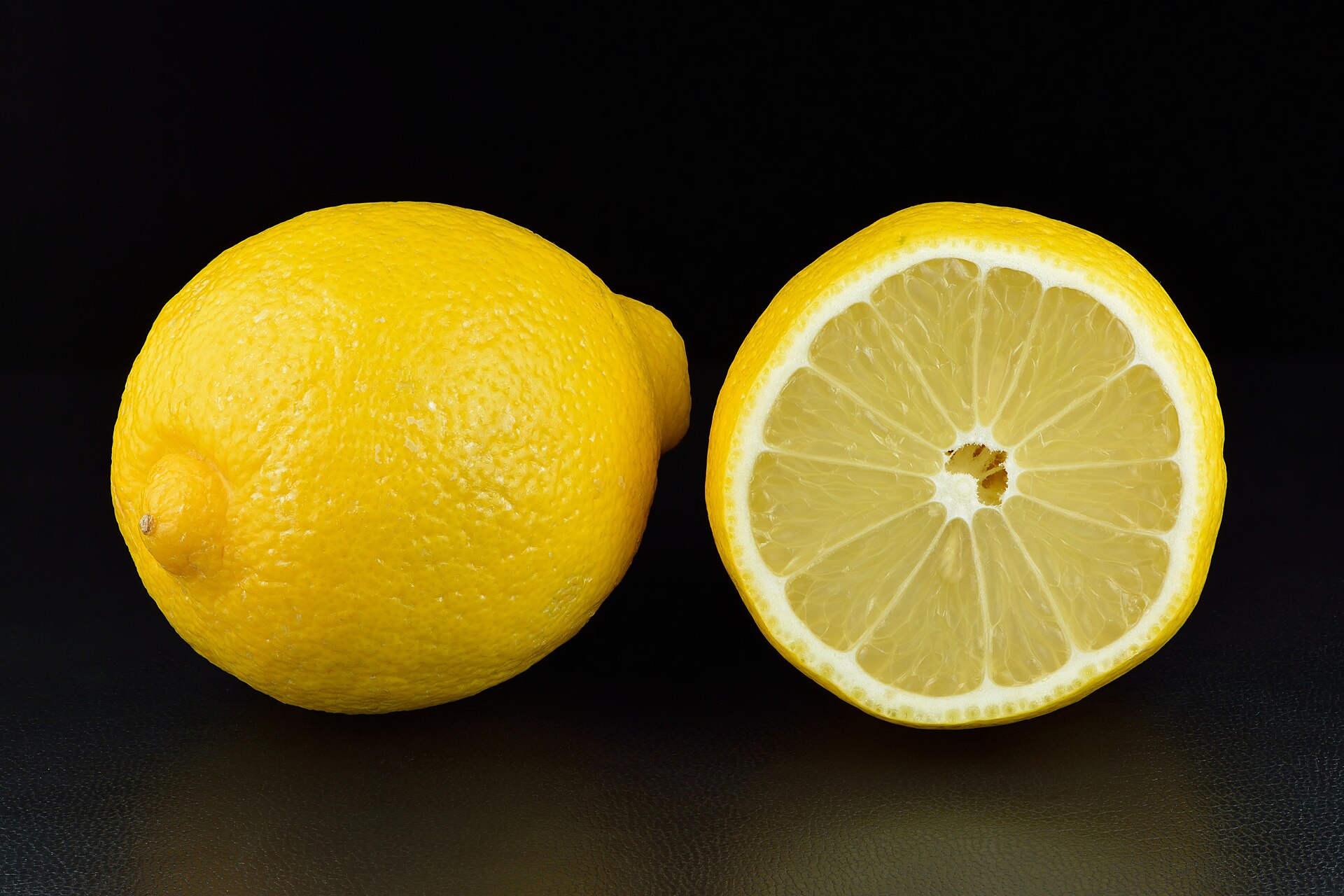

A whole lemon beside a halved lemon

Can You Freeze Lemons and Limes? (The Way That Actually Works)

Yes, you can freeze lemons and limes, and if you are the sort of household that buys a bag of lemons for one recipe and finds four of them gone soft a fortnight later, freezing is the fix. The trick is not to freeze them whole and hope. Freeze them in the form you will actually reach for: juice in ice cube trays, zest in a little tub, slices on a tray for drinks. Do that and a citrus glut stops being a guilt trip. ...

A soft boiled egg with a runny yolk in an egg cup

Can You Eat Runny Eggs? (The British Lion Rule)

For most people, yes, runny eggs are fine and always have been. The bigger news is that since 2017 the advice has also changed for the people who used to be told off for a dippy egg: if your eggs carry the red British Lion mark, pregnant women, babies on solids, young children and the over-65s can now eat them runny or even raw. That is the headline, and it genuinely surprised me when I first read it, because “no soft eggs when you’re expecting” had been drummed into everyone for decades. ...

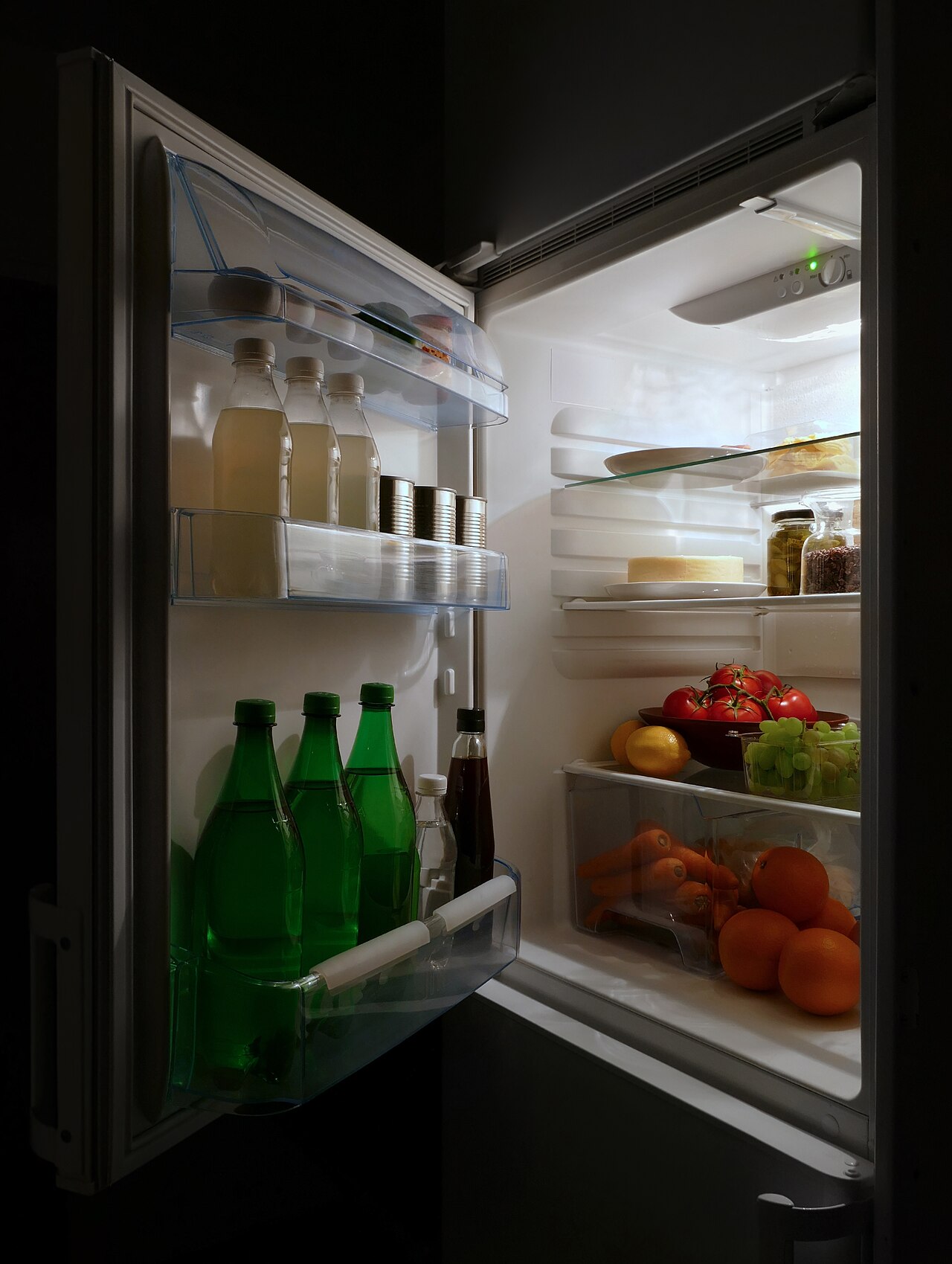
The open door of a well-stocked domestic fridge

What Temperature Should Your Fridge Be? (And How to Check It)

Your fridge should sit between 0 and 5C. That is the number the Food Standards Agency gives, and it is the single most useful fact on this whole site, because every storage time I have ever written assumes your fridge is actually that cold. If it is running warm, the “three days” on a tub of leftovers quietly becomes a much shorter and far less safe window, and nothing on the label will warn you. So before you worry about any use-by date, it is worth knowing what your fridge is really doing. ...

How Long Does Opened Pasta Sauce Last?

An opened jar of pasta sauce keeps for about three days in the fridge. That is shorter than most of us assume, and it is the figure the jar itself gives you if you read the small print. Cream-based sauces are at the shorter end of that, fresh chilled sauces shorter still, and homemade sauce follows the leftovers rule rather than anything printed on a jar. I go through a lot of pasta sauce in this house, half a jar here, a batch of homemade there, so here is how I actually keep track of it without either poisoning anyone or chucking out good food. ...

Can You Reheat Pasta? Yes, and the Rice Rule Applies

Yes, you can reheat cooked pasta, and it is perfectly safe as long as you have stored it sensibly: cooled quickly, kept no more than 2 days in the fridge, and reheated once until it is piping hot. The part people do not expect is that pasta plays by the same rules as rice. The same bacteria that gives reheated rice its scary reputation can grow on cooked pasta too, and it is leaving the pasta sitting out at room temperature, not the reheating itself, that causes the trouble. ...

Can You Reheat Chicken? Yes, With a Couple of Rules

Yes, you can reheat cooked chicken, and you can eat it hot or cold. The idea that chicken is somehow special and must never be warmed up again is one of those kitchen myths that has stuck around far longer than it deserves. What matters is not the chicken itself but how it was treated between the first cooking and the second: how fast it cooled, how long it sat in the fridge, and how hot it gets when you reheat it. Get those three right and last night’s roast is a perfectly safe lunch. ...

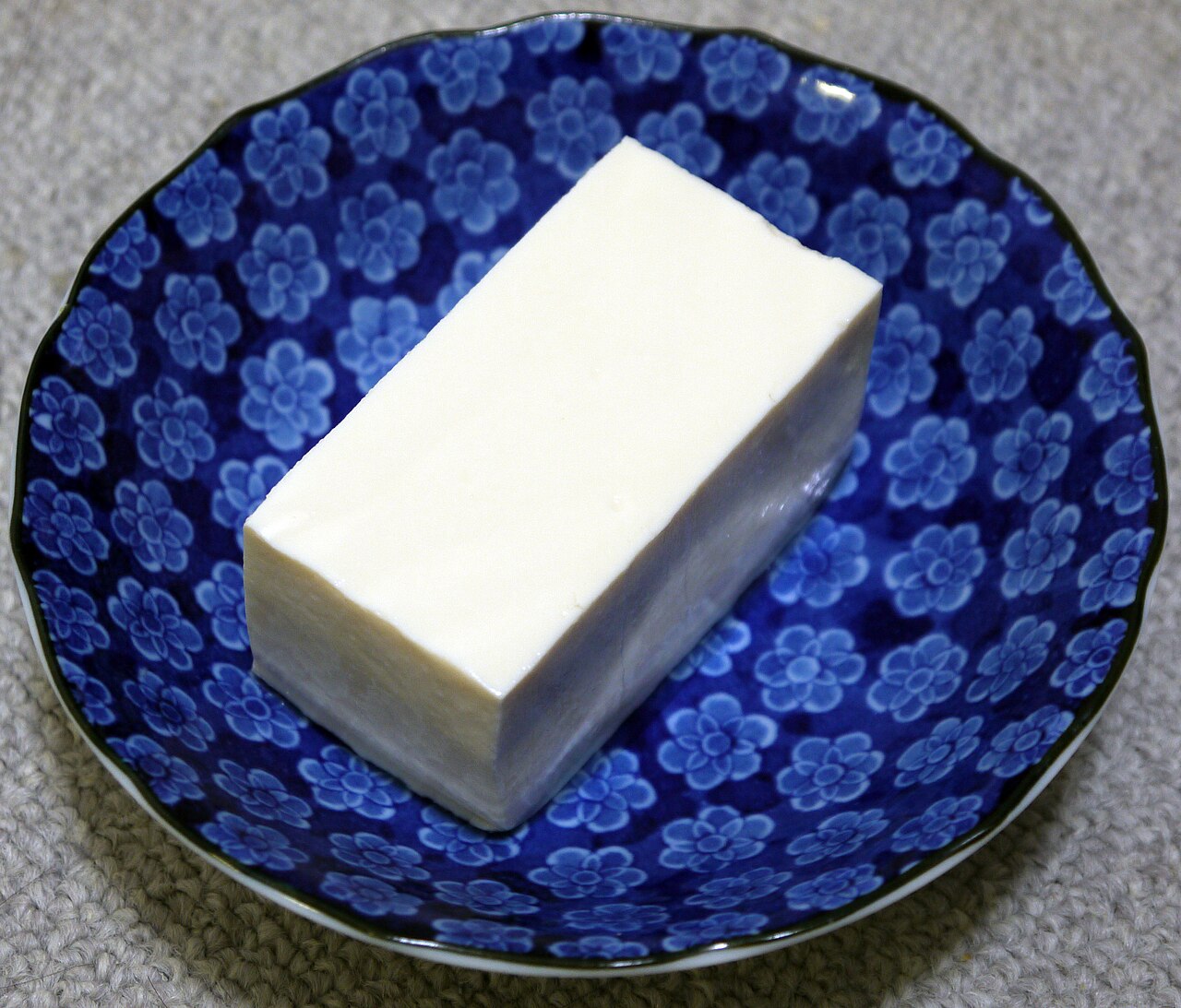
A block of fresh white tofu

How Long Does Tofu Last, Opened and Unopened?

Once the pack is open, tofu keeps about 3 to 5 days in the fridge, and only if you store it properly: drained, sitting in fresh water in a sealed tub, with the water changed every single day. Unopened, it lasts until the use-by date printed on the pack, whether that is a chilled block or a long-life carton. Those are the numbers I work to, and the daily water change is the part almost everyone skips. Tofu is a fresh, high-protein food that sits in water, which is exactly the kind of thing bacteria like, so it pays to treat it with a bit of respect rather than leaving the opened block swimming in its own cloudy juice for a week. ...

Fresh root ginger on a plain background

Can You Freeze Ginger? (And Grate It Straight From the Freezer)

Yes, you can freeze ginger, and honestly it is the way I keep it now. A knob goes straight into the freezer whole, and I grate off what a recipe needs while it is still rock hard. Frozen ginger lasts for months instead of the week or two you get in the fridge, it grates finer than fresh, and I have stopped finding those sad, wrinkled, faintly mouldy stubs at the back of the drawer. If you buy ginger, use a thumb-sized piece, then watch the rest slowly give up, this one habit fixes it. ...

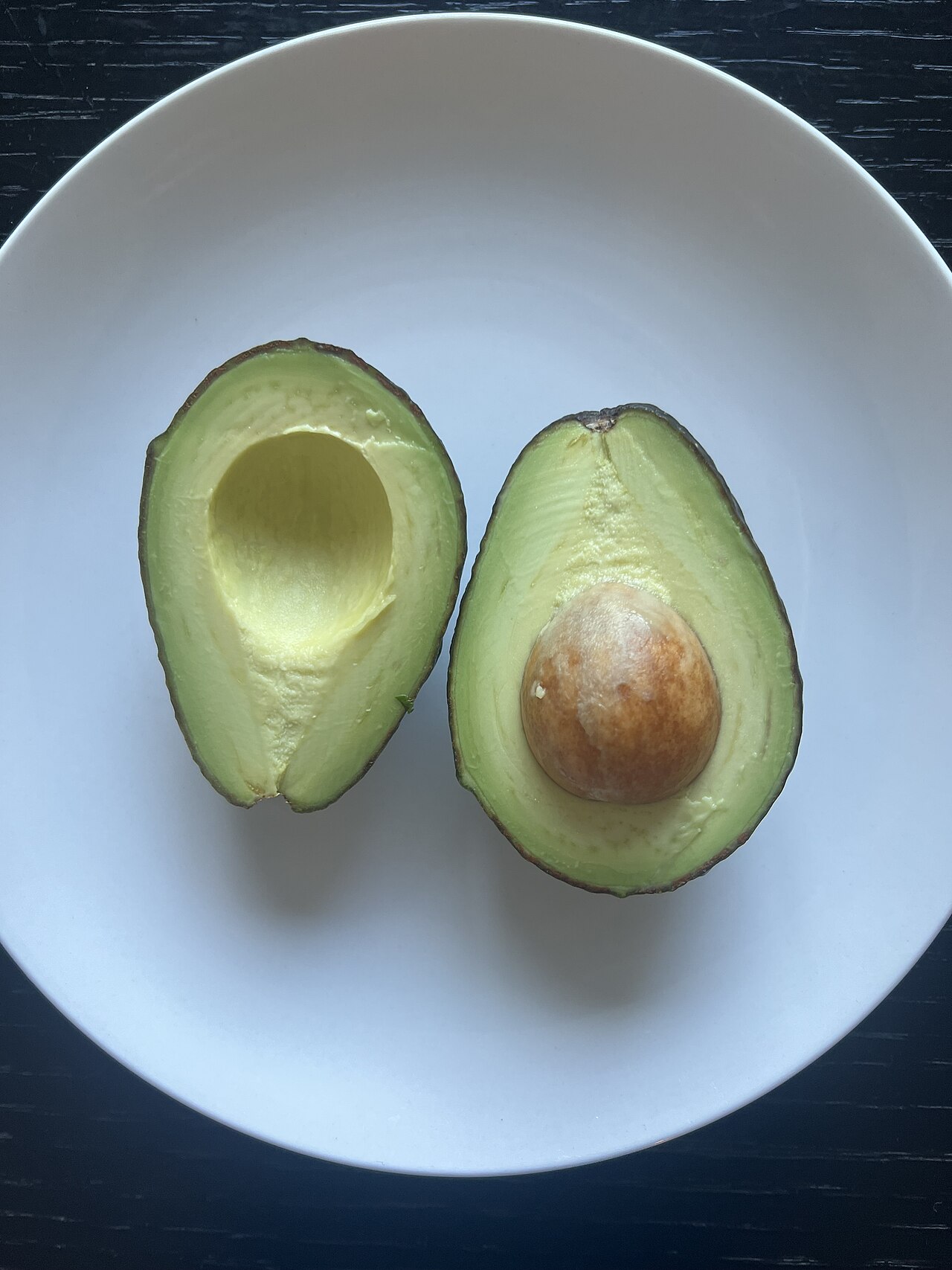
Two halved ripe avocados with the stone removed

Can You Freeze Avocado? (Yes, With One Big Caveat)

Yes, you can freeze avocado, and if you have a bowl of them ripening all at once it is far better than watching them go brown and soft on the side. But be clear about what you are getting back. Freezing breaks down the cell structure that makes a ripe avocado firm and creamy, so what thaws is softer, looser and a bit watery. That is fine, in fact ideal, for anything you were going to mash or blend anyway. It is no good at all for a tidy fan of slices on toast. So freeze it with the end use in mind: smoothies, guacamole, dips, dressings and baby food, yes; a photogenic slice, no. ...