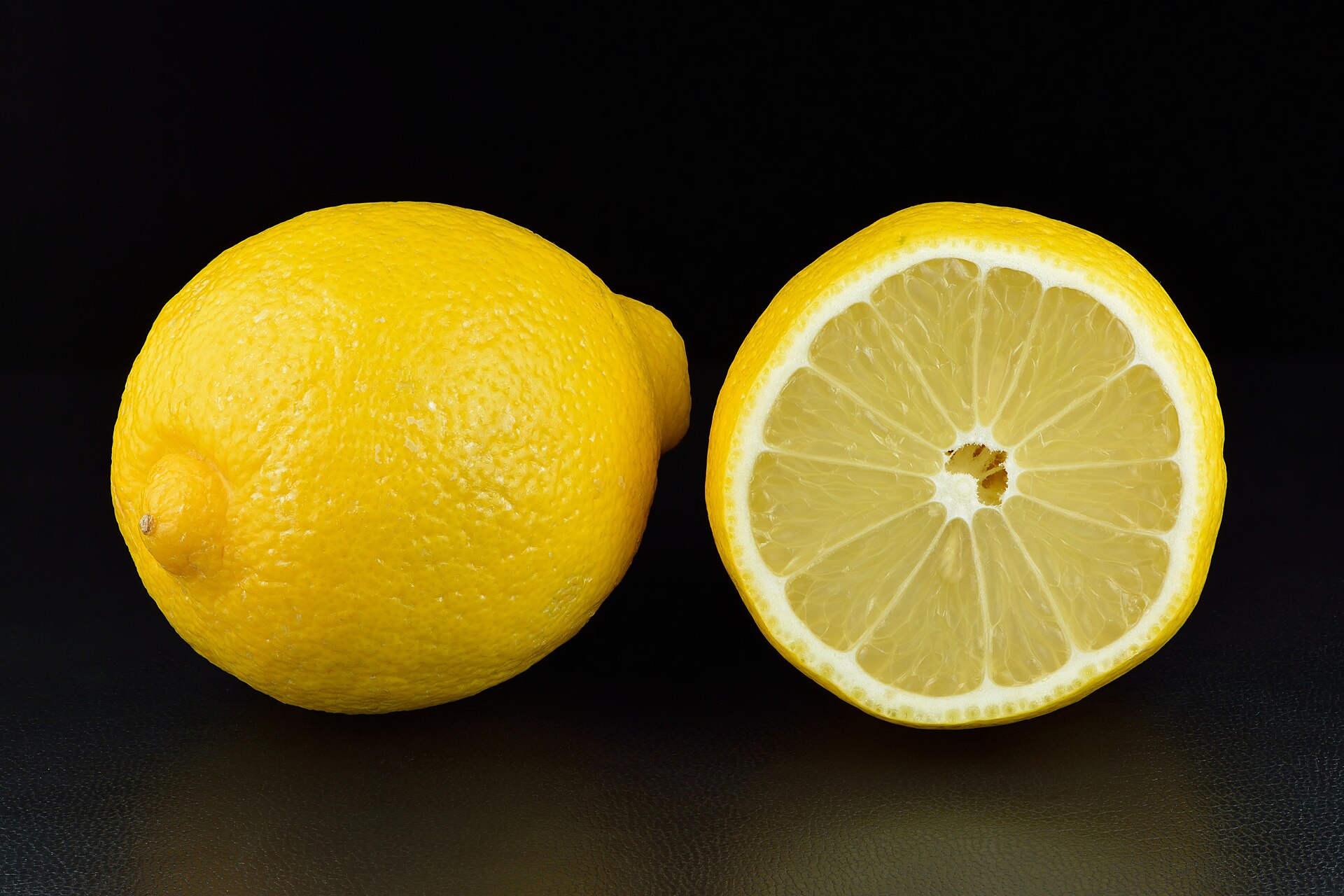
Yes, you can freeze lemons and limes, and if you are the sort of household that buys a bag of lemons for one recipe and finds four of them gone soft a fortnight later, freezing is the fix. The trick is not to freeze them whole and hope. Freeze them in the form you will actually reach for: juice in ice cube trays, zest in a little tub, slices on a tray for drinks. Do that and a citrus glut stops being a guilt trip.
I keep a bag of lemon juice cubes and a tub of zest in the freezer at all times now, because they cost nothing to make from fruit that was heading for the bin anyway, and a recipe that wants “the juice of half a lemon” no longer means slicing into a fresh one. Here is how each method works, how long it keeps, and the one thing freezing will spoil so you are not caught out.
Free PDF
Free Oven Temperature & Gas Mark Chart
A printable one-page conversion chart for your kitchen: degrees, fan, gas mark and the descriptions in between. Pop your email in and the PDF is yours, plus the odd straight-talking kitchen tip.
Free, unsubscribe any time. The download starts as soon as you sign up.
The short answer
- Juice: freeze in ice cube trays, then bag the cubes. Best within about four months, still usable for longer.
- Zest: grate it off first, freeze loose in a tub, use straight from frozen. Keeps three to four months at good quality.
- Slices and wedges: open-freeze on a tray, then bag. Two to three months for drinks. They thaw floppy, so not for garnish.
- Whole fruit: fine in a bag, three to four months, but the thawed fruit turns soft and is really only good for juicing afterwards.
- Limes, and oranges too: exactly the same methods and timings.
None of this is a food-safety question. Citrus is acidic and freezing it is low risk; these are quality windows, not danger points. The fruit will not hurt you after six months, it will just taste flat and tired.
Freeze the juice (what I do most)
This is the one I would start with. Juice your lemons, including the slightly sad ones, and pour the juice into an ice cube tray. Each standard cube holds roughly two tablespoons, which is near enough the juice of half a lemon, so you can drop one straight into a dressing, a marinade or a pan without measuring.
Once the cubes are solid, pop them out into a freezer bag and label it. Loose in a bag they take up almost no room and you can grab one at a time. Thaw a cube in a small bowl, or just add it to something hot and let it melt in.
A tray of juice cubes is the single best use of lemons that are about to go over. It also means you are scaling recipes without a fresh lemon in the house; if you are halving or doubling a bake, my recipe scaler and ingredient converter will sort the quantities while your citrus waits in the freezer.
Zest first, always
Here is the rule I wish someone had told me years ago: zest the lemon before you juice it, every time, even if the recipe only wants the juice. Zest is where most of the flavour lives, it is a faff to do from a half-squeezed lemon, and it freezes beautifully.
Grate the zest off with a fine grater, taking only the yellow and none of the white pith underneath, which is bitter. Tip it loose into a small tub or bag and freeze it flat. It stays crumbly rather than freezing into a brick, so you can pinch out what you need and put the rest back. It keeps its punch for three to four months.
Best part: you use frozen zest straight from the freezer. No thawing, no planning. A pinch goes into a cake batter, a risotto or a dressing exactly as fresh would. Treat it like the frozen herbs in how to freeze fresh herbs: a flavour hit you keep on standby.
Slices and wedges for drinks
Slices and wedges freeze mainly as ready-made ice for drinks, and they are brilliant for that. Cut the fruit, lay the pieces in a single layer on a lined tray so they do not weld together, freeze until hard, then bag them. Doing them in a single layer first is the difference between loose slices you can grab one of and a solid lump you have to chip at.
Drop a frozen slice straight into water, a gin and tonic or an iced tea and it chills the drink while it slowly releases a little flavour. What they will not do is come back crisp. Once thawed the structure has collapsed, so a frozen slice is for the inside of a drink, not for perching prettily on the rim. Use slices within two or three months; being cut, they pick up freezer burn faster than whole fruit.
Whole lemons, and what thawing does to them
You can freeze lemons whole. Wash and dry them, seal them in a freezer bag, and they will keep around three to four months. It is the least effort, and it is fine if you simply want the fruit out of the way.
But be clear about what you get back. Freezing bursts the water-filled cells inside the fruit, so a thawed lemon is soft and squashy rather than firm. That is actually handy for juicing, because a softened lemon gives up its juice more easily, sometimes more than it did fresh. What it is no good for is slicing neatly or zesting, since the flesh has gone to mush and the skin softens too. Thaw a whole one in a bowl of cold water for ten or fifteen minutes, or a few seconds in the microwave, then juice it.
If I am honest, I rarely freeze them whole now. Spending five minutes to zest and juice before freezing gives me two far more useful things than one soggy lemon does.
How long they keep, and the quality truth
Rough quality windows, from freshest-tasting to just-about-usable:
- Zest: three to four months
- Juice: best within four months, usable well beyond
- Slices and wedges: two to three months
- Whole fruit: three to four months
You will see some sources quote up to a year. Frozen citrus is still safe to use that far out, but the flavour drops off, so I treat four months as the point where it is worth a fresh one if you have it. Label everything with the date, because frozen lemon and lime look identical once they are cubes and you will not remember which is which. The same honest-labelling habit saves me constantly with frozen ginger and everything else in there.
Limes, oranges and the rest
Everything above works the same for limes, which I freeze far more of than lemons because a recipe wants half a lime and the other half just dries out in the fruit bowl. Oranges, clementines and grapefruit freeze on the same principles too: juice and zest freeze best, whole fruit goes soft, segments turn mushy once thawed so they are for smoothies and cooking rather than eating fresh.
For the fruit and veg you should keep out of the freezer and store properly instead, my guide to storing fruit and veg covers what belongs in the bowl, the fridge drawer or nowhere near either.
A couple of things not to expect
Freezing is not a reset button. A lemon that was already going mouldy or bitter does not come back fresh; freeze fruit while it is still good, not as a last rite. And frozen citrus is for juice, zest, cooking and drinks, never for a scene-stealing slice on a plate, because the texture is gone for good.
Within those limits, though, it is one of the most useful things in my freezer. A bag of juice cubes and a tub of zest turn “I need a lemon” from a shopping trip into opening the freezer door. That, to me, is exactly what a freezer is for.