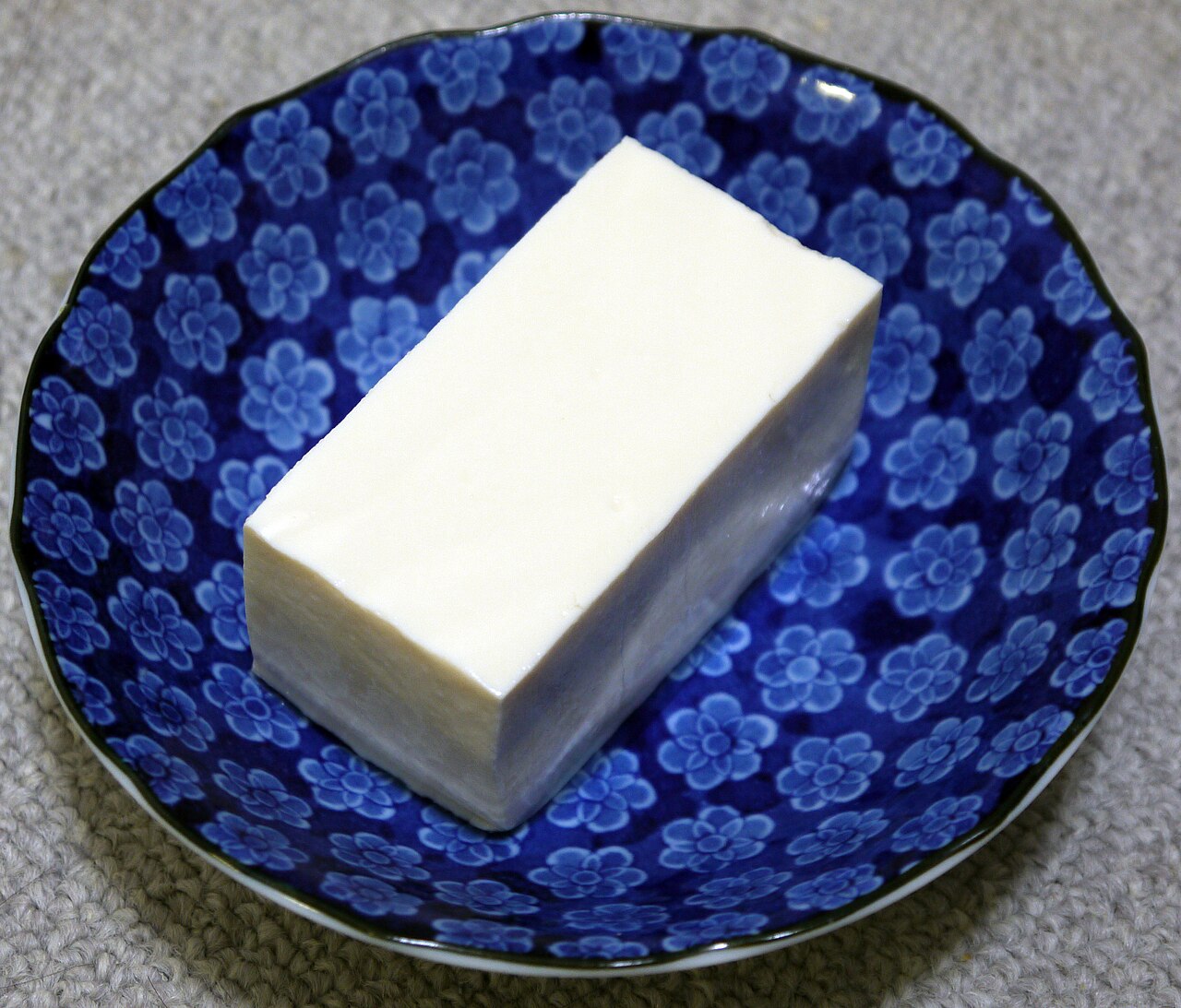
Once the pack is open, tofu keeps about 3 to 5 days in the fridge, and only if you store it properly: drained, sitting in fresh water in a sealed tub, with the water changed every single day. Unopened, it lasts until the use-by date printed on the pack, whether that is a chilled block or a long-life carton. Those are the numbers I work to, and the daily water change is the part almost everyone skips. Tofu is a fresh, high-protein food that sits in water, which is exactly the kind of thing bacteria like, so it pays to treat it with a bit of respect rather than leaving the opened block swimming in its own cloudy juice for a week.
Free PDF
Free Oven Temperature & Gas Mark Chart
A printable one-page conversion chart for your kitchen: degrees, fan, gas mark and the descriptions in between. Pop your email in and the PDF is yours, plus the odd straight-talking kitchen tip.
Free, unsubscribe any time. The download starts as soon as you sign up.
The honest keeps
- Opened tofu, stored well: 3 to 5 days in the fridge.
- Unopened chilled tofu: until the use-by date on the pack. That date assumes it has stayed cold, so keep it in the fridge, not the car boot.
- Unopened long-life (aseptic carton) tofu: months in the cupboard, until the best-before date. Once opened, treat it exactly like a chilled block: fridge, water, 3 to 5 days.
- Frozen tofu: keeps safely for months. I use it within about three, after which the quality slides.
- Tofu left out at room temperature: get it back in the fridge within 2 hours. On a hot day, sooner. After that I would not chance it.
Your fridge should be running at 5°C or below, which is the UK Food Standards Agency line for keeping chilled food safe. A fridge that sits at 8 or 9°C, which a surprising number do, shortens every one of these times.
Why opened tofu needs the water change
Here is the thing that turns a five-day block into a two-day one. When you open a pack of tofu you do not use all at once, the safest way to keep the rest is to drain off the packing liquid, put the block in a clean container, cover it completely with fresh cold water, seal it, and refrigerate. Then change that water every day, even on a day you are not planning to cook it.
The daily change matters because tofu is mild, wet and full of protein, and the water it sits in slowly becomes a broth that yeasts, moulds and bacteria are happy to grow in, even at fridge temperature. Fresh water each day keeps that in check and keeps the tofu tasting clean rather than sour. Leave it in the same cloudy water all week and you are giving spoilage a head start. This is the single habit that decides whether your opened tofu makes it to day five or turns by day two.
If you would rather not bother with water at all, use the opened block within a day or two, kept sealed and cold, and you will usually be fine. But for the full 3 to 5 days, the water and the daily change are the price.
How to tell if tofu has gone off
Trust your nose and your eyes, and know where they stop being enough.
- Smell. Fresh tofu smells of almost nothing, faintly beany at most. A sour, tangy or genuinely off smell means it is done. This is the most reliable sign.
- Surface. A slimy or sticky film on the block is a clear no.
- The water. If the water it is sitting in has turned cloudy, thick, slimy or discoloured, that is spoilage, not just starch. Fresh water each day is partly so you can actually see this.
- Colour and spots. Tofu should be white to very pale cream. A yellowing or tan tinge, or any dark, green or fuzzy spots, means bin it.
- Taste. A sour taste on a tiny bit confirms it, but you should rarely get that far; the smell usually tells you first.
The important caveat, and it is the same one that applies to any perishable food: these tests are a veto, not a guarantee. Tofu that looks and smells perfectly fine can still be past its safe life, because plenty of harmful bacteria leave no smell, taste or visible sign. So the tests can tell you tofu is off, but a clean sniff does not prove it is safe. That is why the dates and the days matter, and why the old rule stands: when in doubt, throw it out. Tofu is cheap, and a bout of food poisoning is not worth saving a block.
Use-by or best-before?
It depends on the pack, and the difference is not fussiness. A use-by date is about safety: do not eat chilled tofu after its use-by date, even if it looks fine, and do not rely on the smell test to overrule it. A best-before date, which is what you will see on long-life cartons, is about quality: the tofu is likely still safe after it, but may not be at its best. If your tofu carries a use-by date, that date is the hard limit for the unopened pack; once you open it, the 3-to-5-day fridge clock starts and runs alongside, so use whichever comes first. I have a fuller explanation of use-by versus best-before dates if the distinction trips you up, because it is one of the most useful things to get straight in a kitchen.
Can you freeze tofu?
You can, and it does something genuinely useful, though it is not what most people expect. Freezing changes the texture. The water inside the block forms ice crystals, and when it thaws you are left with a firmer, chewier, spongier tofu riddled with tiny holes. That sponge soaks up marinade and sauce far better than fresh tofu ever does, and it holds together well in a stir-fry or a curry. Plenty of cooks freeze tofu on purpose for exactly that.
To do it, drain the block well, pat it dry, and freeze it whole or in slabs, well wrapped or in a sealed bag. It will look faintly yellow when frozen, which is normal and disappears on thawing. Defrost it in the fridge overnight, never on the worktop, then press out the water before you cook. Once thawed, treat it like any fresh cooked-from ingredient: cook it through and eat it within a day or two, and do not refreeze it raw. For the wider rules on doing this safely, see defrosting food safely.
If a soft, silky texture is the point of your dish, silken tofu, freezing is not for you: it comes out grainy and strange. Keep freezing for firm and extra-firm blocks.
Cooked tofu and leftovers
Once you have cooked tofu into a dish, it follows the same rule as the rest of that meal, not the raw-tofu rule. Cool it quickly, get it in the fridge within a couple of hours, and eat it within 2 to 3 days. Reheat it until piping hot all the way through, and only reheat it once. My guide to reheating leftovers safely covers the how and why, and how long food lasts in the fridge puts tofu alongside everything else you are trying to keep track of in there.
A note for anyone more at risk
If you are pregnant, feeding very young children, cooking for elderly relatives, or looking after someone whose immune system is not at full strength, err firmly on the cautious side of all of this. Stick to the shorter end of the storage times, keep the fridge properly cold, and do not eat tofu that is anywhere near the edge of its life. The cost of throwing out a doubtful block is small; the cost of getting it wrong for someone vulnerable is not.
This is general kitchen guidance to help you waste less and stay safe, not medical advice. If you think you have eaten something that has made you ill, or you are unsure about food safety while pregnant or unwell, check the NHS advice or speak to a professional.
The short version
Buy it, keep it cold, and respect the dates. Once it is open, drain it, cover it with fresh water, seal it, change that water daily, and use it within 3 to 5 days. Freeze firm tofu if you want a chewier, sauce-hungry block and use it within a few months. And whenever the smell, the surface or the water gives you pause, trust that and bin it. Tofu is one of the cheapest proteins going, which is all the more reason not to gamble on a block that has had its day.