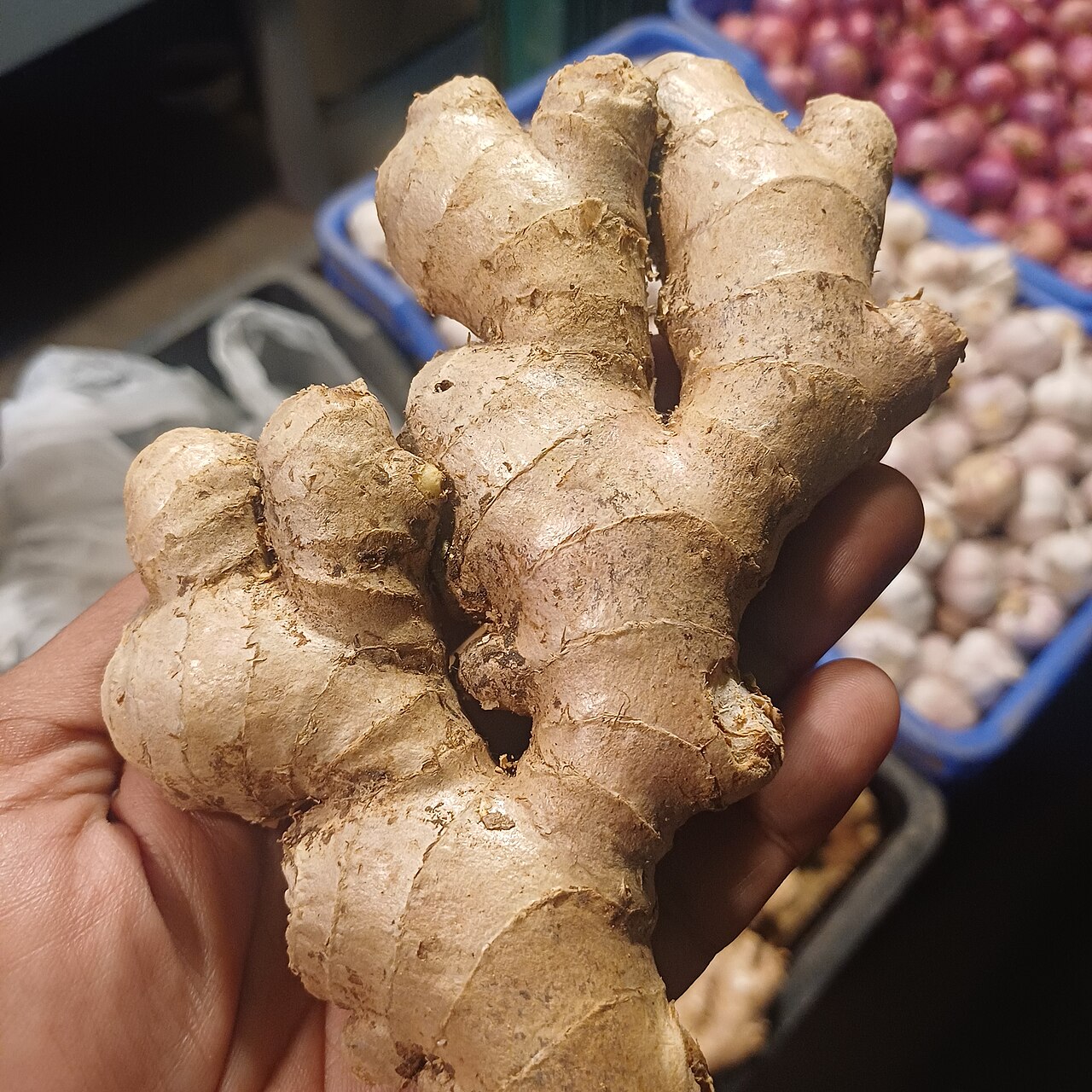
Yes, you can freeze ginger, and honestly it is the way I keep it now. A knob goes straight into the freezer whole, and I grate off what a recipe needs while it is still rock hard. Frozen ginger lasts for months instead of the week or two you get in the fridge, it grates finer than fresh, and I have stopped finding those sad, wrinkled, faintly mouldy stubs at the back of the drawer. If you buy ginger, use a thumb-sized piece, then watch the rest slowly give up, this one habit fixes it.
Free PDF
Free Oven Temperature & Gas Mark Chart
A printable one-page conversion chart for your kitchen: degrees, fan, gas mark and the descriptions in between. Pop your email in and the PDF is yours, plus the odd straight-talking kitchen tip.
Free, unsubscribe any time. The download starts as soon as you sign up.
The short answer
Freeze ginger and it will keep its flavour for about six months, and stay safe far longer than that. Loose ginger sitting in the fruit bowl is really only good for a week or so before it starts to soften and wrinkle. In the fridge, wrapped, you might stretch it to three or four weeks. The freezer turns that into half a year, and unlike a lot of things you freeze, ginger comes out arguably better than it went in.
There is no blanching, no faff and no special kit. Ginger has so little water in it compared to, say, a courgette that freezing does not turn it to mush. It goes hard rather than soggy, and hard ginger is exactly what you want against a grater.
Why the freezer beats the fridge for ginger
Fresh ginger is a root, and roots want to carry on living. Left at room temperature it keeps trying to sprout and slowly dries out at the same time, so you get that papery skin and a bendy, tired middle. The fridge slows that down but does not stop it, and ginger left loose in the salad drawer often picks up moisture and grows mould at the cut end.
Freezing simply presses pause. The flavour compounds that give ginger its heat and its perfume are locked in place, and because the flesh freezes solid, the fibres that make fresh ginger stringy and awkward to grate stop fighting you. I find frozen ginger gives up a finer, wetter pulp than a fresh piece, with none of those long fibres wrapping round the grater.
How I freeze it: three ways
Which method you pick depends on how you cook. I use the first one almost always.
Whole, unpeeled
This is the lazy method and it is the best. Take the ginger as it comes, dry it well if it is at all damp, and drop the whole knob into a freezer bag or a small tub. Press the air out, seal, and freeze. That is it. When you need some, take the piece out, grate what you want on a fine grater or Microplane, skin and all, and put the rest straight back in the freezer. The frozen skin is thin enough that it grates away with the flesh and you will not notice it in a curry or a stir-fry. No peeling, no waste, no thawing.
Peeled and grated into portions
If you cook the same dishes often and know you always want a teaspoon or a tablespoon, prepare it in advance. Peel the ginger (a teaspoon scraped along the skin takes it off cleanly), grate the lot, then either freeze it flat in a thin slab in a bag so you can snap off a piece, or spoon small mounds onto a lined tray, freeze until solid, and bag up the frozen nuggets. Frozen this way it thaws in seconds and you can grab exactly one portion.
Sliced or in coins
For anything you will fish out later, a broth, a stock, a batch of stewed fruit, freeze peeled coins or thick slices on a tray first, then tip them into a bag once solid. Freezing them separately first stops them clumping into one lump. Drop them into the pot straight from frozen.
Whichever way you go, label the bag with the date. Six months is the point where the flavour starts to fade, not a safety cliff, but it is worth knowing when you put it in.
Grating ginger straight from frozen
This is the part people do not expect: frozen ginger is easier to grate than fresh, not harder. A fine grater or a Microplane makes light work of a frozen knob, and because the flesh is solid it shreds cleanly instead of squashing and stringing. Hold the piece with a folded tea towel if your fingers complain about the cold, work quickly, and put the rest back before it softens.
You do not thaw it first. Grated frozen ginger goes straight into the pan, into a marinade, into a dressing or into a mug for ginger tea, and it thaws instantly once it hits anything warm. If a recipe calls for fresh grated ginger, frozen grated ginger stands in one for one. The only thing I would not do is try to serve it raw and finely julienned as a garnish, because the texture softens as it thaws and it will not have that crisp bite. For cooking, which is most of what ginger is for, it is indistinguishable.
Does freezing change the taste?
Not in any way that matters for cooking. The heat and the warm, citrusy note come through just as strongly. If anything the finer pulp releases flavour more readily into a dish. The texture is the only real change: thawed ginger is softer and a little wetter than a fresh piece, which is why it grates so well and why it is not the one for raw, crunchy uses.
Dried ground ginger, by the way, is a different spice with a different job. It is not a substitute for fresh in a stir-fry, and frozen fresh ginger is far closer to fresh than the jar of powder in the cupboard. For more on keeping the dried stuff in good order, see my notes on storing herbs and spices.
A few things worth knowing
- Buy plump, firm ginger to freeze. Freezing preserves what you put in; it does not revive something already tired. Smooth, taut skin and a heavy feel for its size mean fresh. If it is already soft and wrinkled, it will not improve in the freezer.
- Peeling before freezing is optional. I skip it for the whole-knob method and grate skin and all. Peel only if you are prepping grated portions or want tidy coins.
- Keep it dry. Any surface water turns to frost and the ginger picks up freezer smells faster. Dry it before it goes in and squeeze the air out of the bag.
- A little goes further. Because frozen ginger grates so finely, you may find you use a touch less than you did with a coarse fresh grate. Taste as you go.
Is frozen ginger ever unsafe?
Freezing keeps food safe indefinitely, so ginger that has been properly frozen will not become unsafe in the freezer. The limit is quality: after about six months the flavour dulls and the texture suffers, so use it within that window for the best results.
The time to bin ginger is before it goes in, not after. If a knob is already mouldy, mushy, or smells sour or fermented, do not freeze it in the hope of saving it. Freezing halts spoilage, it does not reverse it, and a mouldy root belongs in the food waste, not the freezer. When you are not sure whether a piece is still good, the usual kitchen rule holds: when in doubt, throw it out.
What this saves you
Ginger is cheap, but a whole knob rarely gets used before it turns, so most households throw a good chunk of every one away. Freezing it changes that maths completely. You buy a nice big piece, freeze it whole, and grate off a teaspoon here and a tablespoon there for months, with nothing wasted. That is the sort of small, boring habit that quietly stops food waste without you having to think about it, which is the whole point of this site.
If you are freezing ginger, you are probably the sort of cook who batch-freezes other bits too. My guide to freezer storage times has the honest keeps for the rest of what ends up in there, and how to freeze fresh herbs covers the other flavour base I always keep frozen. And if you are scaling a curry up or down to match how much ginger you have, the recipe scaler does the sums for you.