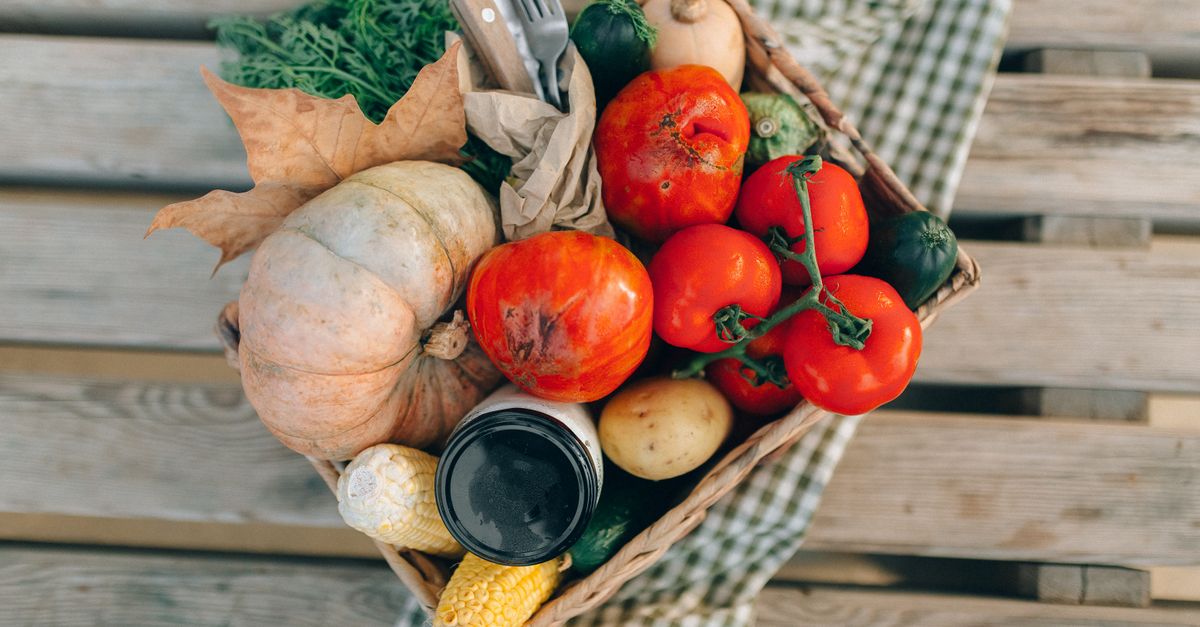
Most produce that gets thrown away in my house was not eaten too slowly. It was stored wrong on day one: bananas ripening everything in the bowl around them, potatoes sprouting next to the onions, herbs turning to green slime in the bag they came in. Storage is not complicated, but it is specific, and the supermarket gives you no clues because everything sits out on the same ambient shelf regardless of where it belongs at home. Here is the sorting logic, and the short list of rules that do most of the work.
Free PDF
Free Oven Temperature & Gas Mark Chart
A printable one-page conversion chart for your kitchen: degrees, fan, gas mark and the descriptions in between. Pop your email in and the PDF is yours, plus the odd straight-talking kitchen tip.
Free, unsubscribe any time. The download starts as soon as you sign up.
Ethylene: the invisible troublemaker
The single most useful thing to know about produce storage is that some fruit and veg emit ethylene, a gas that acts as a ripening hormone, and others are sensitive to it. Put an emitter next to a sensitive item and the sensitive one ripens, then over-ripens, on fast-forward.
Big ethylene producers: apples, bananas, ripe avocados, tomatoes, pears, peaches, plums, melons, kiwis.
Notably sensitive: leafy greens, broccoli, cucumbers, carrots, green beans, lettuce, unripe fruit of most kinds, and, surprisingly, potatoes and onions.
The practical rules that fall out of this:
- Keep the fruit bowl away from vegetables, and ideally keep apples and bananas away from other fruit unless you want it ripe by Thursday.
- The trick also works in your favour: a rock-hard avocado or peach in a paper bag with a banana ripens in a day or two instead of a week.
- Bananas are the strongest emitter you own. They get their own spot, and hanging them or standing them apart also stops contact bruising.
What goes in the fridge
The fridge is right for anything that is alive and leafy, anything already ripe that you need to pause, and most vegetables:
- Leafy greens and lettuce: fridge, in the salad drawer, ideally in a bag or box with a sheet of kitchen paper to absorb condensation. Wet leaves rot; bone-dry leaves wilt; paper holds the middle ground.
- Carrots, celery, broccoli, cauliflower, cabbage, leeks, green beans, courgettes, peppers, mushrooms: fridge. Mushrooms want a paper bag, not plastic, or they go slimy.
- Berries: fridge, unwashed. Washing before storage adds the moisture that mould loves. Wash just before eating, and evict any mouldy one immediately because mould jumps between berries fast.
- Ripe stone fruit, ripe avocados, ripe pears: fridge, once ripe, to hold them there. Ripen on the counter first; cold interrupts ripening and an unripe peach in the fridge stays unripe and mealy.
- Spring onions and asparagus: fridge, and both do noticeably better standing in a jar with a little water, like the herbs below.
- Cut anything: once cut, everything goes in the fridge, covered, including the melon, the onion half and yes, the cut tomato. How long cut and cooked things then keep is in the fridge storage guide.
What stays out, and what the fridge actively ruins
Some produce is not merely fine outside the fridge; the fridge makes it worse.
- Tomatoes. Cold breaks down the flavour compounds and turns the texture mealy. A supermarket tomato is already a modest thing; refrigerating it removes what little it had. Counter, stem side down, out of direct sun. The one exception: a fully ripe tomato you cannot eat for days keeps its remaining dignity better in the fridge than in the bin.
- Potatoes. Cold converts their starch to sugar, which changes the flavour and makes them brown too fast and unevenly when fried. They want a dark, cool, ventilated cupboard, dark because light makes them green and bitter (that green is solanine, and green or heavily sprouting potatoes should be trimmed hard or discarded).
- Onions and garlic: dark, cool, dry and ventilated, and not in the same container as the potatoes. Potatoes release moisture and ethylene, which makes onions rot and sprout; onions in turn encourage potatoes to sprout. Same cupboard is fine, same bag or basket is not. Whole onions hate the fridge (they go soft), but halves go in the fridge in a box.
- Bananas: counter. The fridge blackens the skin, and although the inside survives a while, the ripening stops for good.
- Whole melons, pineapple, citrus: counter or cool room. Citrus actually lasts weeks in the fridge if you need it to, so this one is preference, but the rest keep their texture better out.
- Bread: not produce, but the same mistake. The fridge makes bread stale faster than the counter, because refrigerator temperatures accelerate starch retrogradation, the process behind staling. Bread box or counter for days, and the freezer, sliced, for anything longer, as covered in the freezer storage guide.
Herbs: treat them like cut flowers
Soft herbs (parsley, coriander, mint, dill, basil) die fastest of anything you buy, and the fix is the one nobody uses. Trim the stems and stand them in a jar with a few centimetres of water, like a small ugly bouquet. Parsley, coriander and mint go in the fridge like that, loosely covered with a bag, and last two weeks instead of three days. Basil is the exception: it hates the cold and blackens in the fridge, so its jar lives on the counter, out of the sun.
Hardy herbs (rosemary, thyme, sage, bay) are less dramatic: wrap them in slightly damp kitchen paper in a bag or box in the fridge and they hold for a couple of weeks. And when a recipe wants a herb that has already gone over, the substitutions guide covers the swaps.
The salad drawer is a tool, not a shelf
Those drawers at the bottom of the fridge exist to hold humidity around produce that would otherwise dehydrate in the fridge’s dry air. If yours have a vent slider: closed (high humidity) suits leafy things that wilt, open (low humidity) suits fruit that rots, which is most ethylene producers, since the open vent lets the gas escape. If your drawers have no controls, they are still more humid than the shelves, so greens go in the drawer and ripe fruit is better on a shelf. Do not pack drawers solid; air needs to move, and a crushed bag of spinach at the bottom of a full drawer is compost in waiting.
The five-minute version
When the shopping lands: fruit bowl for anything that still needs ripening (bananas apart), fridge drawer for greens and veg with a paper towel in the bag, dark cupboard for potatoes and another basket for onions, herbs into jars, tomatoes and bread on the counter, berries in the fridge unwashed. That sorting takes five minutes and quietly saves a couple of items a week from the bin, which over a year is real money and less guilt.
Takeaway: ripen on the counter, hold in the fridge, keep bananas and apples away from everything, and never refrigerate tomatoes, potatoes, whole onions, basil or bread.