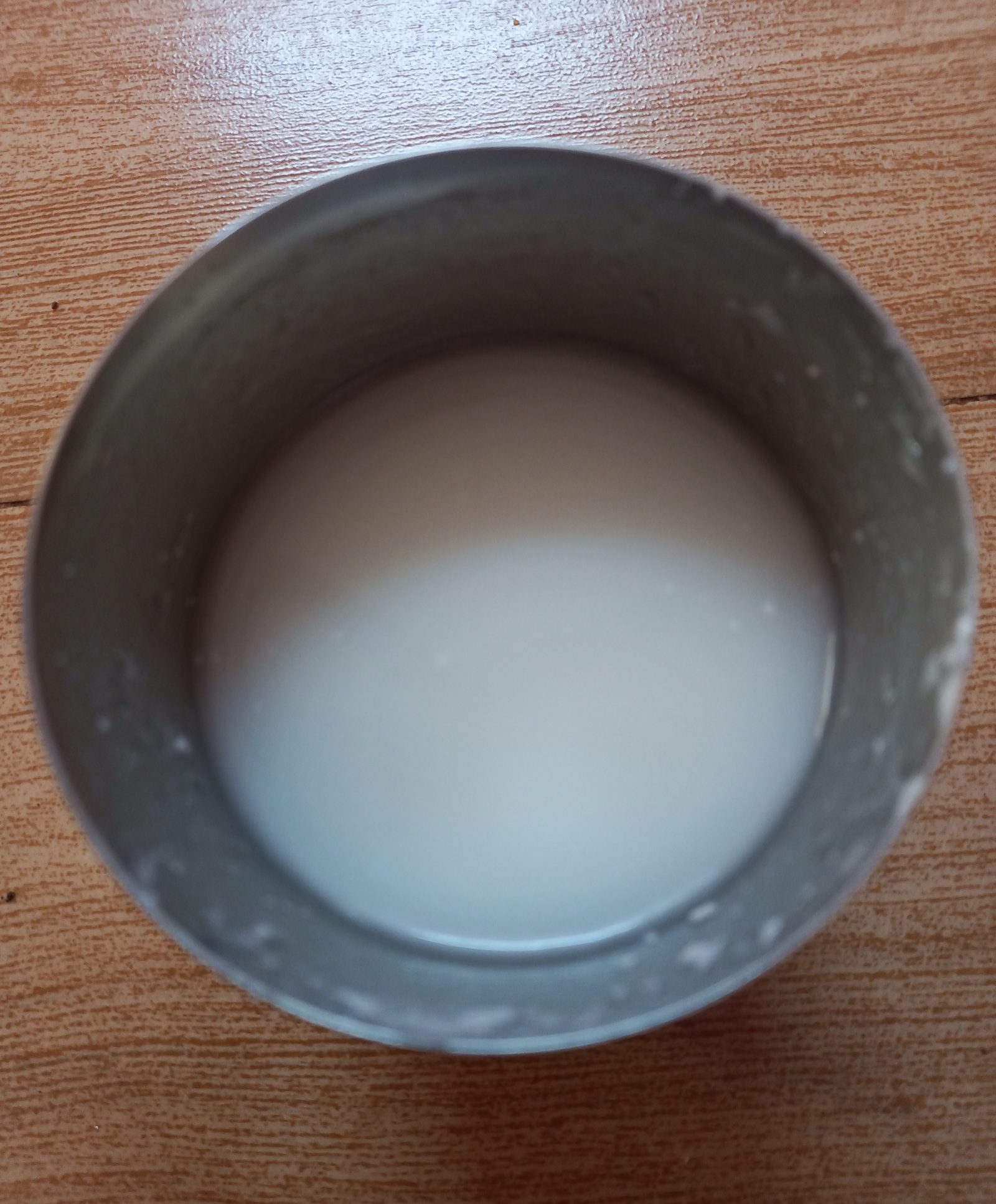
Buttermilk is the ingredient that always catches me out. A recipe for scones or American pancakes calls for a cupful, I go to the fridge sure that I have some, and of course I do not, because buttermilk is not something most of us keep in the door next to the milk. The good news is that you almost never need to go to the shop for it. There are several swaps that do the job well, and a couple of them use things you already have. Here is how to make a buttermilk substitute that works, which one to reach for, and, so it actually makes sense, what buttermilk is doing in the recipe in the first place.
Free PDF
Free Oven Temperature & Gas Mark Chart
A printable one-page conversion chart for your kitchen: degrees, fan, gas mark and the descriptions in between. Pop your email in and the PDF is yours, plus the odd straight-talking kitchen tip.
Free, unsubscribe any time. The download starts as soon as you sign up.
Why buttermilk matters in baking
To pick a good substitute you have to know what job you are replacing, and buttermilk does two things at once.
The first is chemistry. Buttermilk is acidic, and that acid is what wakes up bicarbonate of soda. Bicarb needs an acid to react with before it will give off the carbon dioxide that lifts a batter, and in a lot of recipes, soda bread, scones, buttermilk pancakes, many muffins and cakes, buttermilk is that acid. Swap in plain milk, which is close to neutral, and the bicarb has nothing to react with. You get a denser, flatter, oddly dark result, because the leftover bicarb also pushes up the browning. So the number one job of any substitute is to bring back that acidity.
The second is texture and flavour. Buttermilk’s acid gently tenderises, giving a softer, moister crumb, and it adds a mild tang that you notice most in simple bakes. A good stand-in gets close on both, though nothing quite matches the body of the real thing.
That gives you the rule that runs through everything below: a buttermilk substitute needs to be acidic and roughly pourable. Get those two right and your bake will behave.
The classic swap: milk plus an acid
This is the one to know by heart, because the ingredients live in every kitchen. You are souring ordinary milk to fake the acidity of buttermilk.
The ratio: 1 tablespoon of lemon juice or white vinegar, topped up with milk to make 250ml (a cup). Stir it, then leave it to stand for 10 to 15 minutes. It will thicken very slightly and look a little curdled and flecked. That is exactly what you want; it means the acid has done its work.
A few notes from doing this more times than I can count:
- Lemon juice or white vinegar both work. Vinegar is more neutral in flavour; lemon leaves the faintest brightness, which I quite like in pancakes. Bottled lemon juice is fine here.
- Whole milk gives the best body, but semi-skimmed works perfectly well. It is what I usually use.
- Need less than a cupful? Keep the proportions: about 1 teaspoon of acid per 250ml, so roughly half a tablespoon of lemon juice topped up to 125ml for half a cup. If you are scaling a whole recipe up or down, the ingredient converter and the recipe scaler save you doing the sums in your head.
One honest limitation: soured milk brings the acidity but not the full thickness or deep tang of real buttermilk. For pancakes, scones and most cakes you will never notice. For something where buttermilk is the star, a proper buttermilk cake or a marinade, one of the thicker options below gets you closer.
Cream of tartar and milk
If you have no lemon or vinegar but you do have cream of tartar in the baking cupboard, it does the same acidifying job. Cream of tartar is a dry acid, so it takes a little more coaxing to dissolve.
The ratio: 1 and 3/4 teaspoons of cream of tartar to 250ml of milk. To stop it clumping, either whisk it hard into the milk, or, better, mix the cream of tartar in with the recipe’s dry ingredients and add the plain milk separately. Same effect, no lumps.
Plain yoghurt, thinned
Plain natural yoghurt is already tangy and acidic, so it is a genuinely good stand-in; it just needs loosening to a pourable consistency, because neat yoghurt is far thicker than buttermilk.
The ratio: thin plain yoghurt with a little milk or water until it pours like single cream. For Greek yoghurt, which is thicker, you need more liquid: a small 150g pot let down with around 300ml of milk gives you roughly 400ml of substitute. Stir until smooth and use it measure for measure in place of the buttermilk.
This one gives you more of the body and tang that the milk-and-acid trick lacks, so it is my pick when the recipe leans on buttermilk for richness rather than just lift.
Soured cream and kefir
Two more from the same family, if you happen to have them.
Soured cream thins down exactly like yoghurt: loosen it with milk or water until it pours like single cream, then use it one for one. It is rich, so it suits tender cakes and scones nicely.
Kefir is the easiest of the lot. It is already cultured, tangy and pourable, so plain kefir goes straight in as a near one-to-one swap with no faffing about. If you keep it, it is the closest everyday match to buttermilk’s character.
A dairy-free buttermilk substitute
The milk-and-acid trick works just as well with plant milks, which is handy for dairy-free baking. Soya milk is the most reliable, because its protein curdles and thickens much like dairy does when the acid hits it. Oat and almond milk work too, though they thicken less.
The ratio is the same: 1 tablespoon of lemon juice or white vinegar topped up to 250ml with your plant milk of choice, left to stand for 10 to 15 minutes. Reach for an unsweetened, unflavoured variety unless you fancy a faintly vanilla scone.
When it matters, and when it barely does
Not every recipe cares equally, and knowing which is which saves you fussing over the wrong bakes.
It matters most when bicarbonate of soda is the main raising agent and buttermilk is the acid switching it on: soda bread, buttermilk pancakes, many scones, some muffins. Here a proper acidic substitute is doing real structural work, so do not skip the standing time or swap in plain milk and hope.
It matters less in recipes leavened mainly with baking powder, which already contains its own acid, or in yeasted doughs. There, buttermilk is mostly there for tenderness and tang, and a straight milk swap will still rise, just with a slightly firmer, less tangy result.
If you would rather understand the swap than memorise it, buttermilk is one entry in a much bigger web of kitchen substitutions. There is a fuller run-through of the baking ones in baking ingredient substitutions, and the everyday swaps in common ingredient substitutions. And once your batter is mixed, the oven temperature converter makes sure the gas mark or fan setting matches whatever oven the recipe was written for.
The one to remember
If you take one thing from all this, take the classic: a tablespoon of lemon juice or vinegar topped up to 250ml with milk, rested for ten minutes. It costs nothing, uses what you already have, and rescues the bake without a trip to the shop. Keep the thicker options, yoghurt, soured cream, kefir, in your back pocket for the days buttermilk is really meant to shine.